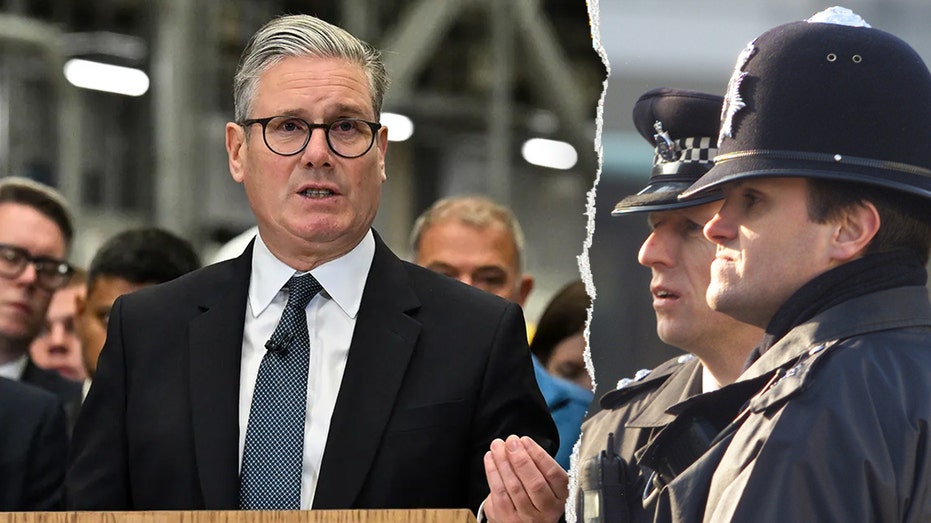

UK Counter-Terrorism Police Investigate Activist's Controversial Tweets
In a developing situation that has ignited political controversy, UK counter-terrorism police have launched an investigation into social media posts made by Egyptian-British activist, following his recent return to the UK. The investigation, which began on December 31, 2025, comes amid growing concerns regarding the implications of the activist's statements and the political reactions they have provoked.
The activist in question, whose identity has not been disclosed in initial reports, has faced scrutiny for tweets that resurfaced after his return to Britain. These posts reportedly contain inflammatory remarks that have raised alarms among law enforcement and political figures. The investigation aims to assess whether the content of these tweets poses a potential threat to public safety or national security.
Prime Minister Keir Starmer's government has found itself at the center of the backlash, with critics questioning the decision to welcome the activist back to the UK. Starmer, who has emphasized a commitment to free speech, is now navigating the delicate balance between upholding this principle and addressing concerns about extremism and public safety.
The political ramifications of this situation are significant, with opposition parties seizing the opportunity to challenge Starmer's judgment and policies regarding counter-terrorism and immigration. Some members of Parliament have expressed that the re-entry of the activist, coupled with his controversial statements, could undermine the government's efforts to combat radicalization and protect communities.
Counter-terrorism police have confirmed that they are conducting a thorough review of the activist's social media history. The investigation is part of a broader strategy to monitor individuals whose online activities may indicate support for extremist ideologies. This initiative reflects ongoing concerns in the UK about homegrown terrorism and the influence of radical narratives in digital spaces.
While the investigation unfolds, various community leaders and advocacy groups have voiced their opinions on the matter. Some argue that the scrutiny of the activist's tweets is a necessary measure to ensure safety, while others caution against potential overreach and the chilling effects on free speech. The debate highlights the complexities of addressing terrorism in a democratic society while respecting individual rights.
Background
The UK has faced numerous challenges related to terrorism in recent years, with heightened awareness of radicalization and the spread of extremist ideologies, particularly through social media platforms. The government's commitment to counter-terrorism has involved various strategies, including monitoring online activity and addressing the root causes of extremism.
The current investigation into the Egyptian-British activist adds to a growing list of cases where social media has intersected with national security concerns. As the UK continues to grapple with these issues, the balance between safeguarding free expression and ensuring public safety remains a contentious topic.
Conclusion
The ongoing investigation into the Egyptian-British activist's tweets underscores the challenges faced by the UK government in managing counter-terrorism efforts while navigating political and societal pressures. As the situation develops, the responses from both the government and the public will likely shape future discussions on extremism, free speech, and national security in the United Kingdom.






