
UK Braces for Prolonged Cold Snap: Snow and Ice Warnings Span England, Scotland, and Wales
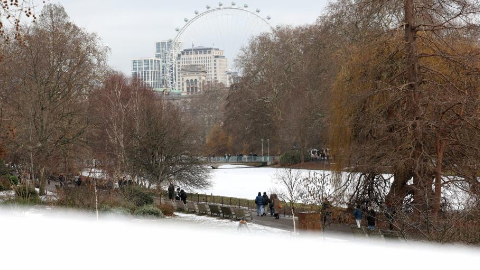
London, January 7, 2026 – Parts of the United Kingdom, including areas in Scotland, Wales, and England, remain under yellow and amber weather warnings for snow and ice as a surge of cold Arctic air from Scandinavia continues to grip the region. The warnings, rated at medium severity, were first issued on January 2 and persist into this week, with amber cold weather alerts specifically holding steady across swathes of England.
The Met Office, the UK's national weather service, has classified these as yellow warnings—indicating a need for awareness—and amber warnings, signaling a higher risk where preparation and disruption are likely. This weather event stems from a mass of frigid air originating in Scandinavia, pushing southward and bringing sub-zero temperatures, wintry showers, and hazardous conditions to multiple regions. As of January 7, amber cold weather alerts for England underscore the ongoing threat, prompting public advisories on travel, health risks, and heating precautions.
Widespread Coverage and Expected Impacts
The warnings encompass diverse terrains, from the highlands of Scotland to rural Wales and urban centers in England. In Scotland, elevated areas are prone to heavier snow accumulations, while Wales faces ice risks on untreated roads. England, particularly the North and Midlands, is under the most stringent amber alerts, where temperatures have plummeted below freezing overnight, leading to black ice formation on roadways.
Medium severity reflects potential for notable disruptions without reaching the critical red level, which would indicate widespread danger to life. Historical precedents from the Met Office's color-coded system—introduced to standardize risk communication—show that amber warnings often precede travel chaos, school closures, and strain on emergency services. Public transport operators, including National Rail and major bus networks, have issued cautions for delays, with gritters deployed across motorways like the M1 and A-roads in affected counties.
Health authorities, via the UK Health Security Agency (UKHSA), have aligned cold weather alerts with the meteorological warnings. These amber-level health alerts highlight vulnerabilities for the elderly, young children, and those with respiratory or cardiovascular conditions, recommending warm layers, hydration, and avoiding unnecessary outdoor exposure.
Meteorological Context and Arctic Influence
This cold spell aligns with broader European weather patterns in early 2026. The Arctic air mass, funneled by high-pressure systems over Scandinavia, exemplifies a classic "northerly airflow" that the Met Office frequently monitors during winter. Similar incursions have marked previous UK winters, such as the 2018 "Beast from the East," when amber and red warnings led to over 1,000 school closures and airport shutdowns, or the 2021 cold snap that caused power outages.
January, statistically the UK's coldest month with average lows around 1-2°C (34-36°F) in southern England and sub-zero in Scotland, amplifies these events. Climate data from the Met Office indicates a slight uptick in such polar outbreaks amid shifting jet stream dynamics, though long-term warming trends have made extreme cold less predictable. Forecasters note that while global temperatures rise, regional variability persists, with the UK experiencing more frequent "blocked" weather systems.
Satellite imagery and model outputs from the European Centre for Medium-Range Weather Forecasts (ECMWF) confirm the Arctic plume's persistence through mid-January, potentially extending wintry conditions. Rainfall mixed with snow—known as sleet—has already blanketed higher ground, with accumulations of 2-5 cm (1-2 inches) possible in amber zones.
Public Response and Official Guidance
Authorities urge caution: drivers are advised to use winter tyres, carry blankets and charged phones, and check road conditions via apps like Highways England. Pedestrians face slip risks, with councils salting pavements in priority areas. Energy networks report stable supply but warn of heightened demand from heating, echoing last winter's peaks.
The UK government's "Cold Weather Plan," activated during such alerts, coordinates responses across departments. This includes boosting NHS hotlines for vulnerable households and distributing fuel vouchers in deprived areas. Schools and businesses in warned regions are monitoring closures, with remote learning options in place.
Ongoing Vigilance into Next Week
As of January 7, no escalation to red warnings has occurred, but meteorologists anticipate fluctuations. The current setup favors continued cold through the weekend, with possible thaws raising flood risks in lowlands. The Met Office promises updates via its app and website, emphasizing community resilience.
This event underscores the UK's vulnerability to winter extremes, even as milder spells dominate headlines. Residents are encouraged to stay informed, prioritizing safety amid the freeze.
(Word count: 612)