UK Bars Entry to US-Based Islamic Scholar Over Statements Supporting Hamas
London, January 9, 2026 – British authorities have denied entry to a prominent New Jersey-based Islamic scholar, citing his past statements that appeared to endorse Hamas following the group's deadly terrorist attacks on Israel on October 7, 2023. The decision by the UK Home Secretary underscores ongoing efforts to combat extremism and prevent the spread of ideologies linked to designated terrorist organizations.
The Home Office announced the exclusion order this week, as reported by the Daily Telegraph and echoed by Newsmax. The scholar, whose identity was not specified in initial reports but is described as a cleric with a significant online following, had attempted to travel to the United Kingdom. His remarks, made in the aftermath of Hamas's assault that killed over 1,200 people in Israel and triggered a protracted war in Gaza, were deemed to exclude him under UK immigration rules that bar individuals whose presence would not be "conducive to the public good."
UK counter-terrorism laws empower the Home Secretary to refuse entry to non-citizens suspected of promoting terrorism or extremism. This measure aligns with Section 32 of the Immigration Act 1971 and subsequent amendments under the Counter-Terrorism and Security Act 2015, which have been invoked against numerous figures accused of glorifying or supporting proscribed groups like Hamas. Hamas, along with its military wing, has been listed as a terrorist organization by the UK since 2001, reflecting its history of suicide bombings, rocket attacks, and other violence against Israeli civilians.
The barring comes amid heightened vigilance in the UK following a surge in antisemitic incidents and pro-Palestinian protests since October 2023. Official data from the Community Security Trust (CST) recorded over 4,000 antisemitic incidents in the UK in 2023 alone – a 147% increase from the previous year – many linked to the Israel-Hamas conflict. Police have made dozens of arrests at demonstrations where chants supporting Hamas or calls for violence against Jews were reported. In parallel, the UK has faced Islamist terror plots, including the 2017 Manchester Arena bombing by an ISIS-inspired attacker and more recent foiled attacks involving sympathizers of groups like Al-Qaeda and ISIS.
This incident highlights the UK's broader strategy to address transnational extremism. Home Secretary Yvette Cooper's office has not issued a public statement on this specific case, but recent government rhetoric emphasizes robust border controls. In December 2025, Cooper outlined plans to expand the "hostile environment" policy for immigration enforcement, targeting those who incite hatred or support terrorism online or abroad.
The cleric's exclusion echoes previous high-profile cases. In 2019, the UK revoked the visa of militant preacher Anjem Choudary, who was later convicted of supporting ISIS. Similarly, in 2024, Egyptian cleric Wagdy Ghoneim was banned for antisemitic sermons. These actions are part of a pattern: since 2010, over 100 extremists have been denied entry or deported, according to Home Office figures.
Background on Hamas and UK Policy
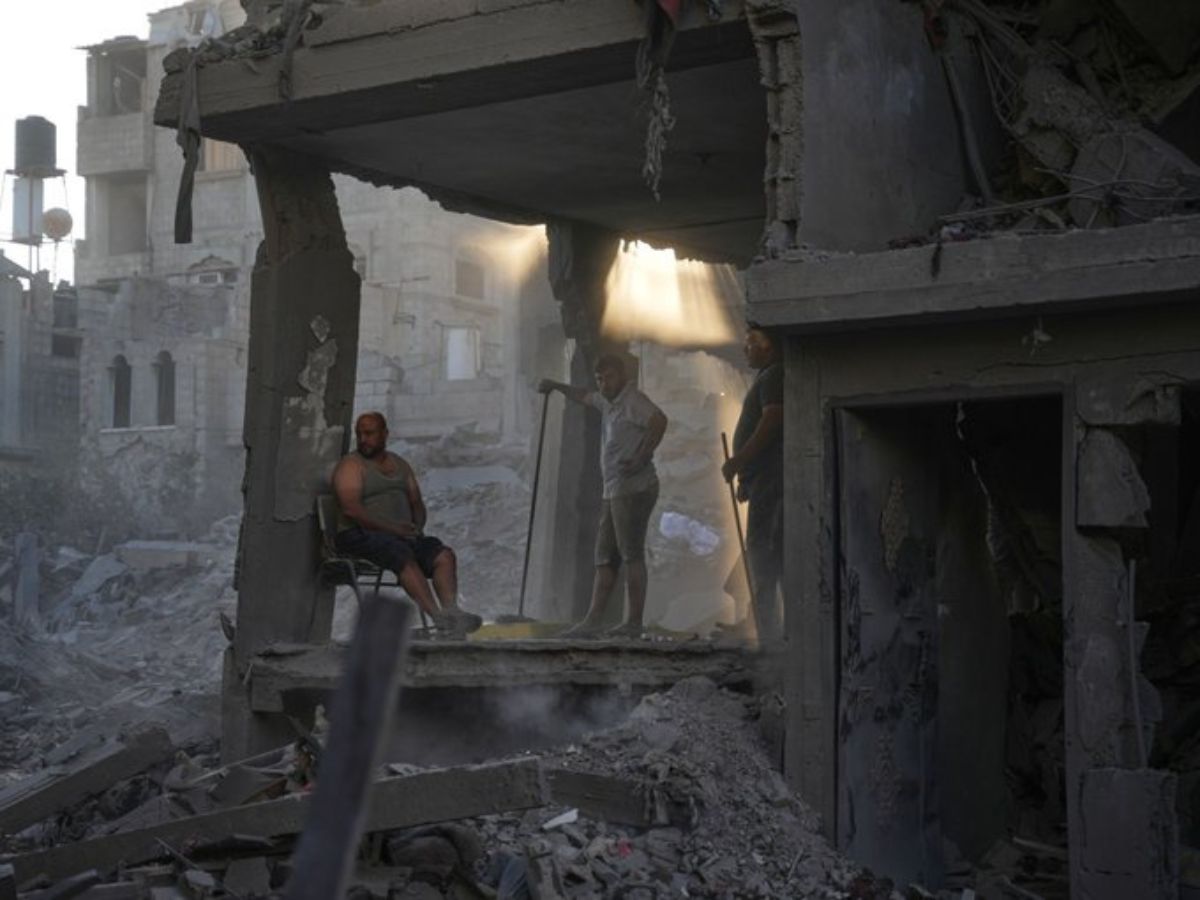
Hamas's October 7, 2023, attacks marked the deadliest day for Jews since the Holocaust, involving mass killings, kidnappings, and sexual violence documented by international investigators. The group's charter historically calls for Israel's destruction, though a 2017 revision softened some language while maintaining armed resistance. The UK, alongside the US and EU, maintains a blanket terrorist designation, rejecting distinctions between its political and military wings.
Post-October 7, UK authorities have intensified monitoring of online radicalization. Platforms like Telegram and X (formerly Twitter) have hosted content praising the attacks, prompting the Online Safety Act 2023 to mandate removals. MI5, the UK's domestic intelligence agency, has warned of elevated threat levels from Islamist extremists, with Director General Ken McCallum noting in 2025 that a quarter of active investigations involve Israel-Hamas inspired plots.
The decision also occurs against a backdrop of strained UK-US relations on security matters, though this case reinforces bilateral cooperation. The US has its own restrictions on the cleric, with past designations under counter-terror financing laws, though details remain classified.
Outlook
As the Israel-Hamas war enters its third year, with over 45,000 Palestinian deaths reported by Gaza health authorities and ongoing hostage negotiations, the UK faces persistent challenges in balancing free speech with security. Critics of such bans argue they stifle legitimate discourse on Palestine, while supporters view them as essential prophylaxis against terror glorification.
The Home Office has indicated more exclusions may follow, signaling a zero-tolerance approach. For the barred cleric, legal challenges via judicial review remain an option, though success rates for terror-related exclusions are low – under 10% in recent years, per immigration tribunal data.
This development reaffirms the UK's commitment to preempting terrorism threats at its borders, ensuring that individuals promoting violence find no safe harbor.
(Word count: 612)