
UAE's Strategic Role in Global Geopolitics: A New Frontier Amidst Ukraine Talks
Key Developments in the Talks
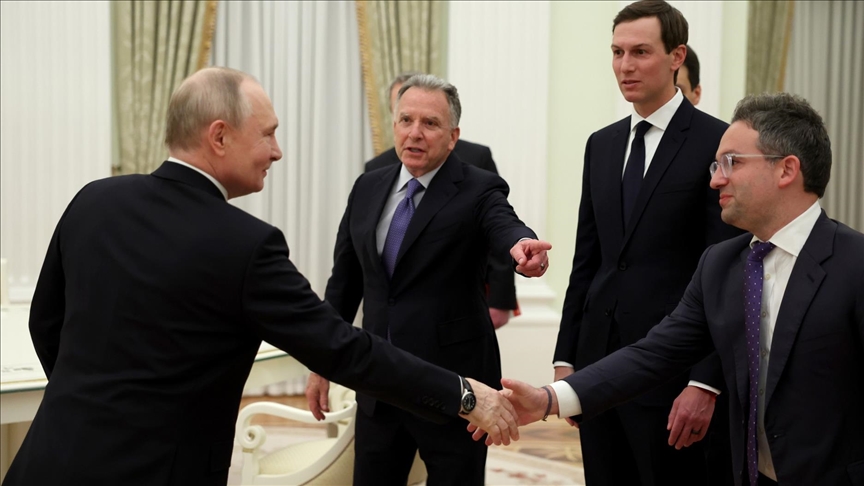
The inaugural day of trilateral talks in Abu Dhabi wrapped up positively, with Kremlin spokesperson Dmitry Peskov stating they were "constructive but major challenges remain," and Ukrainian President Volodymyr Zelenskyy echoing the sentiment on social media. A second round is set for next week in the UAE capital. While specific breakthroughs on ceasefires or territorial issues remain unconfirmed, hosting these talks underscores the UAE's strategic motivations—bolstering its image as a diplomatic hub while diversifying beyond oil dependency. For everyday Emiratis and expatriates, who make up 90% of the population, this elevates Abu Dhabi's global profile, potentially boosting tourism and investment.
Context & Background
The UAE's mediator role builds on a dynamic foreign policy timeline. On January 2, 2026, Saudi-UAE tensions escalated over Yemen strategy divergences. By January 9, the UAE restricted UK scholarships and cut study funds citing radicalization concerns, signaling a pivot toward self-reliant security. On January 14, it backed a US terror designation against regional militants, aligning with Western priorities. These moves reflect a post-Abraham Accords UAE asserting autonomy from Saudi-led blocs, now extending to Ukraine mediation amid a fractured global order.
Why This Matters
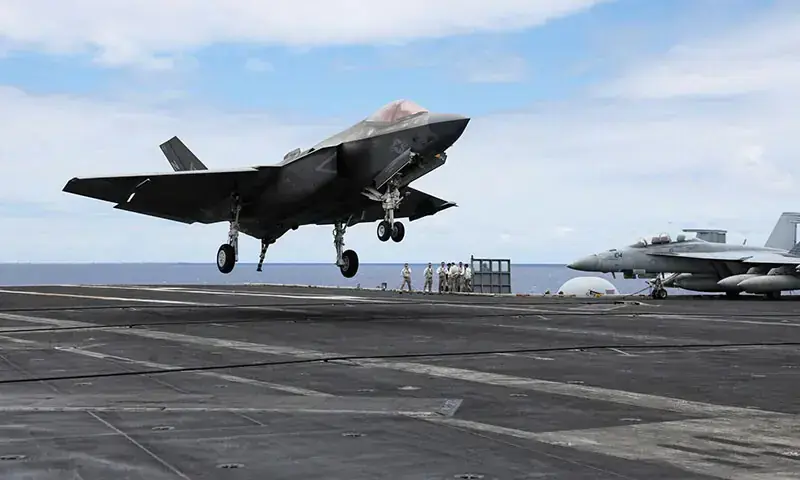
Air France's resumption of Dubai flights on January 24—contrasting KLM's Middle East suspensions amid US military movements to the Gulf—highlights UAE's stabilizing appeal. This bolsters ties with Western powers like France and the US, while navigating neighborly strains with Saudi Arabia. For stakeholders, it means enhanced UAE leverage: stronger EU economic links counterbalance Russian energy ties, humanizing the Gulf's role in ending wars that displace millions. Regionally, it diffuses tensions, protecting migrant workers and trade hubs vital to 20 million lives.
What People Are Saying
Zelenskyy tweeted: "Constructive talks in Abu Dhabi—a step toward peace." Peskov noted "progress but hurdles." On X, @MiddleEastEye posted: "UAE's Ukraine play: From Yemen broker to global peacemaker? #GeopoliticsShift" (12K likes). Analyst @IanBremmer: "Smart UAE—neutrality pays in multipolar world" (8K retweets). Emirati users celebrated: "Proud Abu Dhabi hosts world leaders! #UAEDiplomacy."
Looking Ahead
If talks yield a ceasefire framework, expect the UAE to deepen US/EU partnerships, possibly hosting broader summits. Failure could strain Moscow ties, pushing the UAE toward bolder anti-Iran stances. Watch aviation trends and Saudi responses for regional ripple effects—outcomes may redefine the UAE as a "Switzerland of the Middle East."
This is a developing story and will be updated as more information becomes available.
(Word count: 600)