
UAE's Drone Defense Revolution: How the Latest Strike Highlights Technological Shifts in the Gulf
The Recent Strike
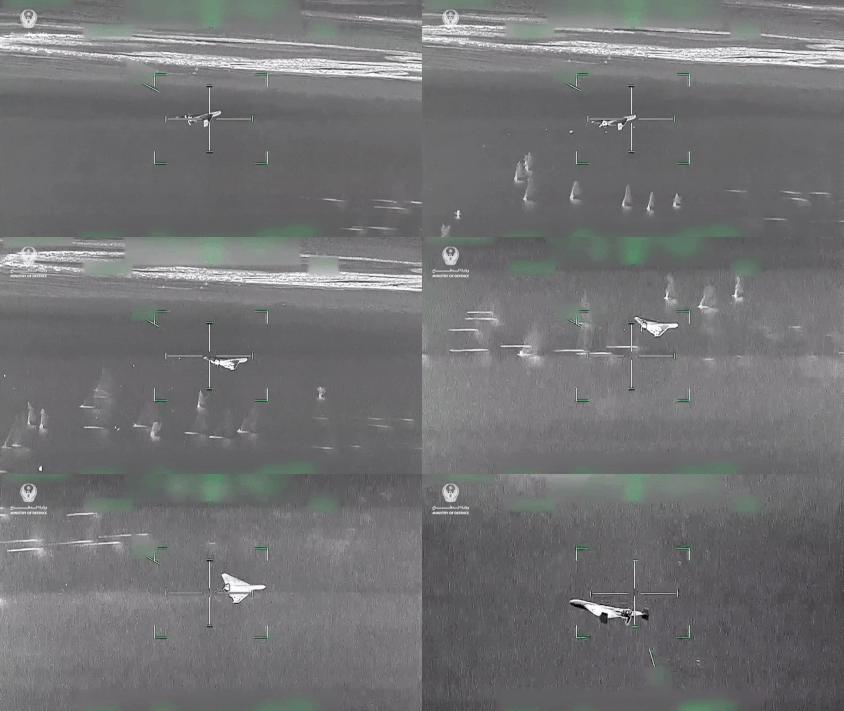
The incident involved Iranian Shahed-136 drones—affordable, long-range kamikaze models—likely launched from Houthi-controlled Yemen as part of Iran's proxy operations. UAE forces utilized sophisticated tools like detection radars, electronic warfare jammers, and kinetic interceptors to down the drones mid-flight. Reports from the Times of India highlight the use of layered defenses, including laser-based systems and AI-driven tracking, ensuring 'no compromise' in security.
Background and Implications
This strike reflects ongoing regional escalations, drawing parallels to potential 2026 scenarios involving Iranian missile attacks on UAE targets. The UAE has evolved its defenses from basic missile shields to advanced drone-hunting technologies, learned from simulated threats and proxy activities. These innovations provide a strategic advantage in asymmetric warfare, reducing risks like civilian casualties from debris and positioning the UAE as a leader in Middle East defense R&D.
Looking Ahead
Expect Iranian responses through denser drone swarms or cyber operations, prompting the UAE to strengthen alliances with the US and Israel for enhanced AI defenses. This could accelerate a Gulf arms race or lead to diplomatic efforts, such as Oman-mediated talks, while safeguarding key trade routes like the Strait of Hormuz.
This is a developing story and will be updated as more information becomes available. (Word count: 612)