
UAE Withdrawal from Yemen Signals Shift Amid Ongoing Conflict
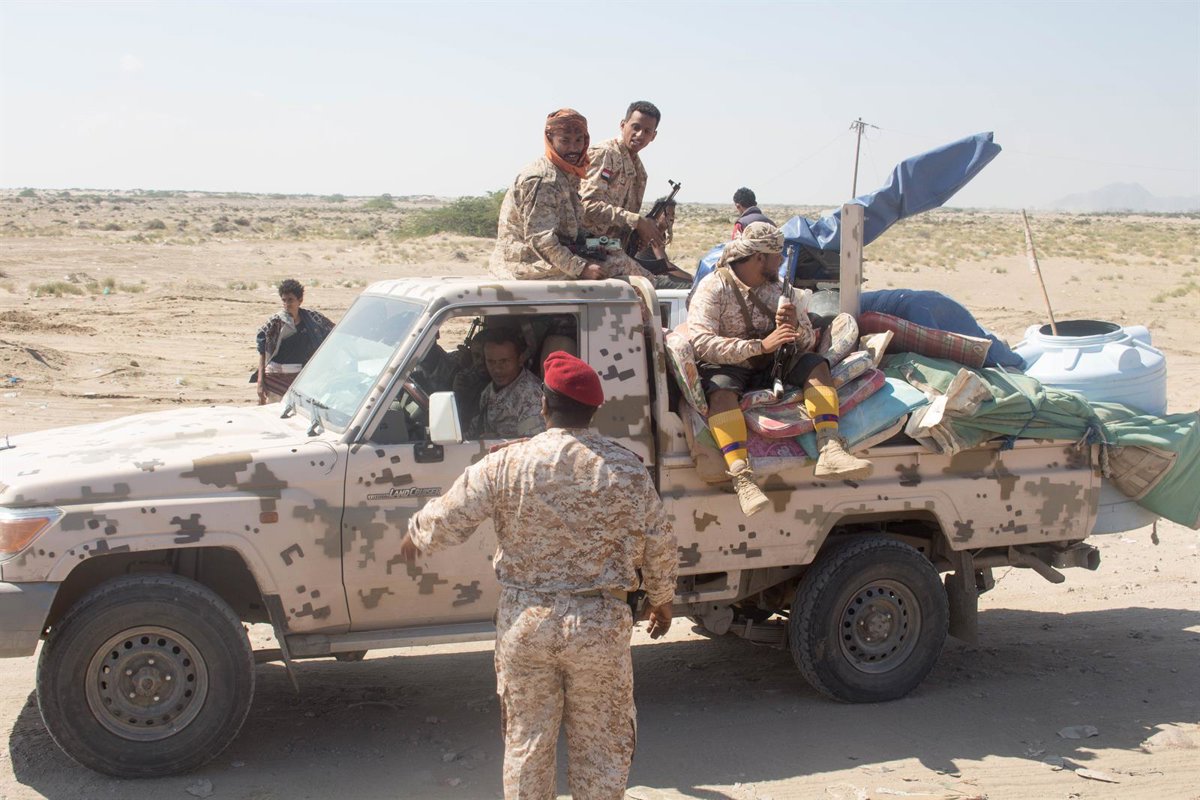
The United Arab Emirates (UAE) has announced its decision to withdraw its forces from Yemen amidst escalating tensions in the region, a move that follows a Saudi airstrike targeting a port controlled by separatist factions. This development marks a significant shift in the ongoing conflict, which has seen multiple parties vying for power since the civil war erupted in 2015.
The withdrawal, initiated on December 31, 2025, comes as the UAE reassesses its military role in Yemen, which has been complicated by recent Saudi military actions against separatist positions. The UAE has supported various southern separatist groups, which have increasingly opposed the internationally recognized Yemeni government backed by Saudi Arabia. This latest airstrike has intensified the already fraught relations among the involved parties.
On January 2, 2026, southern separatists announced a declaration of war against the Yemeni government, citing the Saudi strikes as provocations. Reports indicate that these attacks have targeted key locations within the southern regions of the country, escalating tensions between pro-government forces and separatist factions. The separatists have condemned the bombings, claiming they threaten the fragile stability in the region and undermine efforts for peace.
The conflict in Yemen has evolved into a complex war involving various factions, including the Houthi rebels, the internationally recognized government, and southern separatists. The UAE's withdrawal could shift the balance of power, leaving the Houthis and other groups to fill the void left by Emirati forces. Observers are concerned that this could lead to further instability in a country already suffering from humanitarian crises.
Background on the Yemen Conflict
Yemen has been embroiled in civil war since 2015, following the Houthi rebellion against the government of President Abdrabbuh Mansur Hadi. The conflict has drawn in regional powers, including Saudi Arabia and the UAE, who have formed a coalition to support Hadi's government. However, the involvement of these external forces has contributed to widespread destruction and a humanitarian catastrophe, with millions of Yemenis facing famine and disease.
The UAE's role in Yemen has been characterized by its support for local militias, particularly in the southern regions. These militias have at times clashed with Hadi's forces, complicating the coalition's objectives. The recent Saudi strikes against separatist positions highlight the fractures within the coalition, as various factions pursue conflicting goals.
Conclusion
The UAE's withdrawal from Yemen marks a pivotal moment in the ongoing conflict, highlighting the complexities of the war that has engulfed the country for nearly a decade. As southern separatists declare war against the Yemeni government and tensions rise following Saudi airstrikes, the prospect for peace remains elusive. The international community continues to call for a resolution to the conflict, but without a unified front among the involved parties, the situation in Yemen is likely to remain volatile.






