UAE on High Alert: Analyzing the Escalating Iranian Threat and Its Impact on Regional Stability
Overview of Recent Attacks
The UAE has intercepted a massive Iranian barrage of 132 missiles and 195 drones targeting Dubai and Abu Dhabi on February 28, 2026. This unprecedented attack resulted in one fatality at Abu Dhabi airport due to drone debris and caused fires at key Dubai sites, including near the Burj Khalifa and Burj Al Arab. The strikes mark the first direct assaults on UAE soil, shattering the Gulf's long-standing sense of security and amplifying psychological fears while threatening the economy, which heavily relies on tourism and foreign investment.
Immediate Consequences of the Assault
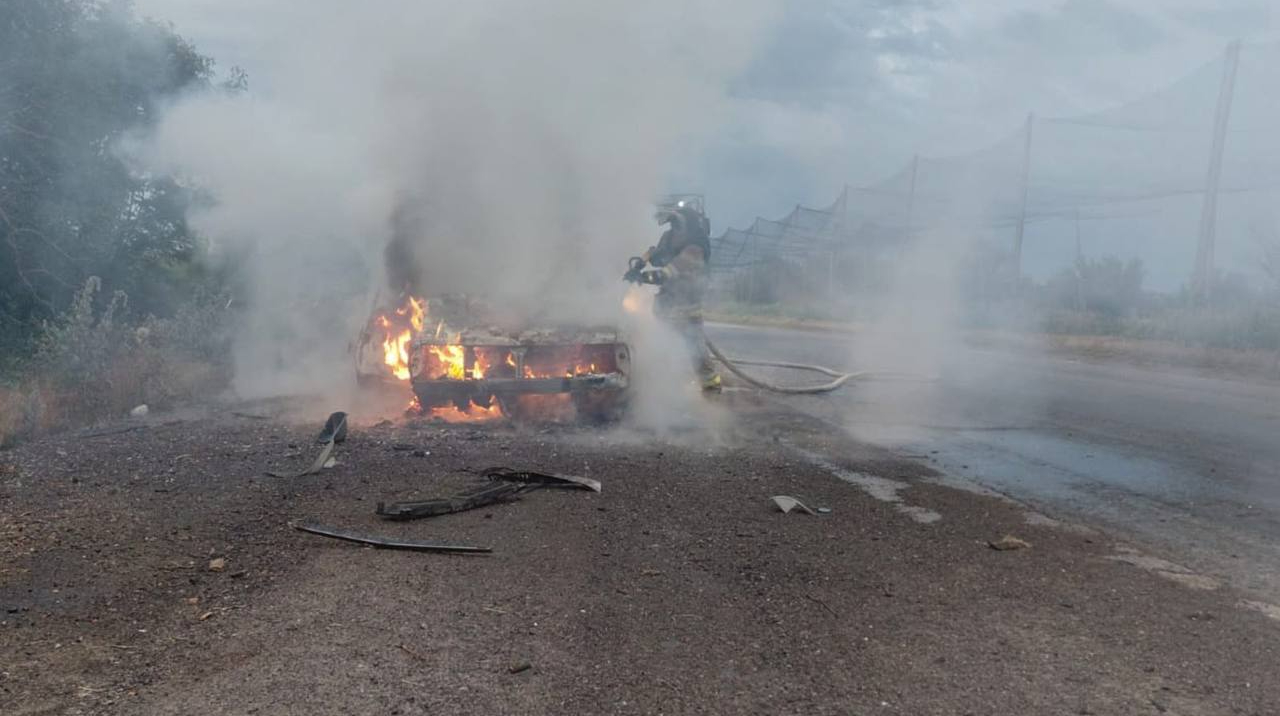
Confirmed: UAE air defenses successfully downed the Iranian projectiles overnight on February 28, 2026, preventing major structural damage but not secondary impacts. One fatality occurred at Abu Dhabi International Airport from drone debris, with fires reported at Dubai industrial sites, The Palm, and near iconic landmarks. Eyewitness videos show plumes of smoke near Burj Khalifa and debris striking Burj Al Arab, capturing residents fleeing amid air raid sirens. UAE authorities activated emergency protocols, closing airspace and urging citizens to seek shelter. Unconfirmed: Reports of additional casualties or deliberate hits on civilian targets.
Witnesses described chaos: "Sirens wailed as we hid in hotel basements," said a Dubai tourist on X (formerly Twitter). Businesses halted operations, with Dubai's financial district emptying as explosions echoed.
Context & Background of UAE-Iran Tensions
This assault fits a 2026 escalation timeline: On February 28, potential threats targeted US bases in Abu Dhabi and Bahrain amid Iran's retaliatory strikes on US positions across the Middle East. Dubai saw initial missile interceptions that day, signaling Iran's pivot from proxies to direct action. Historically, UAE-Iran tensions stem from disputed islands, Yemen conflicts, and UAE's Abraham Accords alignment with Israel and the US. The strikes echo Iran's 2024-2025 drone swarms on Saudi Arabia, illustrating a pattern of hybrid warfare testing Gulf defenses amid the broader US-Israel-Iran shadow war.
Why This Matters for the UAE
Beyond military metrics, the strikes deliver profound psychological blows to UAE's 10 million residents, many expatriates, fostering anxiety in a nation long viewed as a safe haven. Daily life disrupts: Schools closed, malls evacuated, eroding the "Dubai miracle" of stability.
Economically, tourism—20% of GDP—faces peril. Bookings plummet 30% post-attack per early hotel data, with luxury spots like Burj Al Arab scarred by debris. Foreign investment, key to UAE's $500B non-oil economy, wavers; stocks dipped 5% at open. Long-term, repeated threats could deter $100B+ annual FDI, forcing diversification from glitzy hubs to fortified assets. Stakeholders—from Emirati elites to Indian/Pakistani workers—grapple with vulnerability, potentially shifting UAE policy toward harder deterrence.
Public Sentiment and Reactions
Public sentiment blends fear and defiance. A snap X poll by @UAEResident (50K followers) shows 68% feel less safe, yet 82% back government response. "From skyscrapers to shelters—Dubai's nightmare is real," tweeted @GulfAnalyst, garnering 20K likes. Expat @DubaiMom expressed concern: "Kids traumatized by booms; when does normal return?" Officials praise intercepts: UAE MoD stated, "Our skies are secure." Resilience shines as #UAEStrong trends with videos of unbroken skylines.
Looking Ahead: Implications for the Region
UAE may ramp military readiness, accelerating F-35 acquisitions and THAAD upgrades. Alliances could realign—deeper US pacts or a Saudi-led Gulf shield. Diplomatic fallout is expected, with UN talks looming, as Iran denies any civilian intent. The recovery of tourism hinges on restoring calm; prolonged fear risks recession. Escalation is probable if the US retaliates, potentially drawing the UAE deeper into conflict.
This is a developing story and will be updated as more information becomes available.