
UAE Faces Back-to-Back Severe Weather: Dense Fog Blankets Dubai and Heavy Rains Lash Northern Emirates
Dubai, UAE – The United Arab Emirates is experiencing a spate of severe weather events in early January 2026, with dense fog severely reducing visibility in major cities like Dubai and Abu Dhabi, followed by heavy rains and thunderstorms in the northern regions. Authorities have issued multiple alerts, urging caution amid disruptions to road travel and daily activities.
A medium-severity fog alert took effect on January 3, 2026, at 05:31 GMT, warning of near-zero visibility across parts of the UAE, particularly in Dubai and Abu Dhabi. The National Centre of Meteorology (NCM) advised drivers to exercise extreme caution, as the fog has led to hazardous driving conditions during early morning hours. Such fog events are not uncommon in the UAE's winter season, when cooler nighttime temperatures combine with high humidity to create dense marine layers over coastal areas.
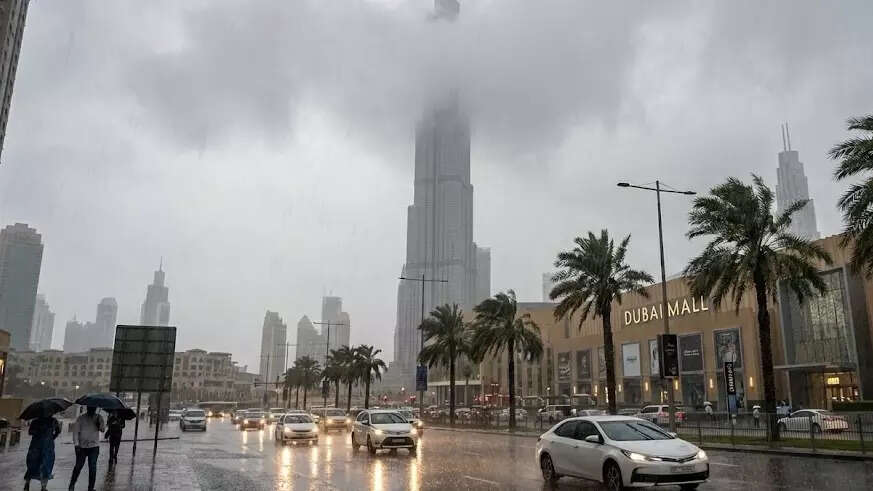
Compounding the fog issues, heavy rainfall has continued to drench the Northern Emirates, with Sharjah and Fujairah bearing the brunt of intense downpours. Reports indicate that areas including Khorfakkan, Masafi, and Al Manama have seen significant flooding from convective clouds accompanied by lightning and thunder. The NCM escalated warnings with yellow and red alerts, signaling potentially life-threatening conditions due to the storm's intensity.
According to the Times of India report published on January 9, 2026, these rains are part of a broader winter weather pattern driven by low-pressure systems. The article details how the adverse conditions have persisted, with more showers expected through the weekend and into the following week. Cooler temperatures have accompanied the rains, further contributing to foggy conditions in some areas.
Weather Patterns and Immediate Impacts
The fog alert, which began over a week ago, highlights the UAE's vulnerability to visibility-related hazards despite its arid climate. Drivers in Dubai and Abu Dhabi reported slowdowns on major highways, with electronic signs activating to recommend reduced speeds. The NCM's advisory emphasized avoiding unnecessary travel during peak fog hours, typically from pre-dawn until mid-morning.
Transitioning to the rainfall, the Northern Emirates have recorded intense precipitation that has overwhelmed drainage systems in low-lying areas. Khorfakkan, a port city in Sharjah, and Masafi in Fujairah experienced the heaviest downpours, leading to localized flash flooding. Red alerts, the highest level issued by the NCM, indicate a high risk of thunderstorms, strong winds, and heavy rain exceeding 50mm in short periods—enough to cause significant disruptions.
Yellow alerts cover broader areas prone to moderate rain and gusty winds. The convective nature of these clouds means sudden intensification, with lightning strikes posing additional dangers to outdoor activities and infrastructure.
Background on UAE's Winter Weather
The UAE, situated in the Arabian Desert, typically enjoys mild winters with average temperatures between 17-25°C (63-77°F). However, this season's weather is influenced by recurring low-pressure systems originating from the Arabian Sea and upper atmospheric disturbances. These systems draw moist air northward, leading to uncharacteristic rainfall events.
Historically, the UAE sees about 100-150mm of annual precipitation, concentrated in winter months from November to March. Notable past events include the record-breaking floods of April 2024 in Dubai, where over 250mm fell in 24 hours, paralyzing the city. The current pattern echoes those dynamics, with the NCM forecasting persistence due to sustained low-pressure influence.
The combination of fog and rain underscores the region's evolving weather risks amid climate variability. Verified meteorological data from the NCM shows an uptick in such hybrid events, prompting investments in early warning systems and urban resilience.
Outlook and Official Response
The NCM predicts the rainy weather will continue through at least mid-January 2026, with intermittent showers and a chance of further fog. Cooler air masses will keep daytime highs below 25°C in affected areas, a stark contrast to the summer's scorching 40°C+ temperatures.
Authorities have mobilized response teams, including road safety patrols and flood mitigation units. Motorists are advised to check the NCM app for real-time updates, while residents in flood-prone zones are urged to stay indoors during alerts.
As the UAE navigates these events, the focus remains on public safety. No major casualties have been reported, but the dual threats serve as a reminder of the desert nation's exposure to extreme weather variability.
(Word count: 612)