
Two Killed in Gas Cylinder Explosion in Finnish Delivery Van, Human Error Blamed
Jorois, Finland – A tragic accident involving exploding gas cylinders in a company delivery van claimed the lives of two individuals in the municipality of Jorois on January 7, 2026, according to an investigation by Finland's regional occupational safety authority. Officials have preliminarily attributed the incident to human error during the handling of the cylinders.
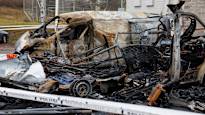
The incident occurred earlier that day, around midday, when gas cylinders detonated inside a pakettiauto – a common light commercial van used for deliveries – operated by a local enterprise. The explosion's force was severe enough to result in the immediate deaths of two people, whose identities have not been publicly released pending notification of next of kin. Emergency services responded promptly, but the victims could not be saved.
Finland's Aluehallintovirasto (AVI), the regional state administrative agency responsible for occupational safety under its työsuojelu division, launched an immediate probe into the matter. The authority's preliminary findings, as reported by YLE, point to "inhimillinen virhe" – human error – in the handling and transport of the gas cylinders as the root cause. This marks a high-severity event, highlighting vulnerabilities in the logistics and storage of hazardous materials within everyday commercial operations.
Jorois, a rural municipality in the Southern Savonia region with a population of around 4,500, is situated approximately 50 kilometers north of the city of Mikkeli. The area is known for its agricultural and small-scale industrial activities, where delivery vans frequently transport industrial gases for welding, manufacturing, and other uses. Such vans are a staple in Finland's logistics sector, which relies heavily on road transport due to the country's expansive geography and limited rail infrastructure for short-haul deliveries.
Investigation Details and Safety Protocols
The AVI's työsuojelu unit specializes in workplace accident investigations, ensuring compliance with Finland's stringent Occupational Safety and Health Act (Työturvallisuuslaki). This legislation mandates rigorous standards for handling pressurized gases, including proper securing of cylinders to prevent movement, ventilation requirements, and separation of incompatible substances. Gas cylinders, typically containing acetylene, oxygen, or propane, pose significant risks if mishandled: leaks can lead to ignition sources sparking explosions, while physical damage from impacts can cause ruptures.
In this case, investigators are examining whether the cylinders were inadequately secured during loading, transit, or unloading, potentially allowing them to collide and rupture. YLE's reporting underscores that the explosion occurred within the confines of the van, amplifying the blast's lethality due to the enclosed space. No further injuries or widespread property damage have been reported, suggesting the incident was contained to the vehicle and its occupants.
Finnish authorities classify such events as high-priority due to their potential for chain reactions. The Työturvallisuuskeskus (Finnish Institute of Occupational Health) maintains databases tracking similar incidents, noting that gas cylinder mishaps, while rare, have historically led to fatalities. For instance, national statistics from the past decade show an average of 2-3 fatal workplace accidents annually involving pressurized gases, often linked to inadequate training or procedural lapses.
Broader Context in Finnish Workplace Safety
Finland boasts one of Europe's strongest records on occupational safety, with a fatal accident rate of about 1.5 per 100,000 workers – far below the EU average of 1.9, according to Eurostat data up to 2025. The country's decentralized AVI system conducts over 10,000 inspections yearly, focusing on high-risk sectors like construction, manufacturing, and transport. However, the logistics industry has faced scrutiny amid rising e-commerce demands, which have increased hazardous goods shipments.
The Jorois incident echoes past tragedies, such as a 2019 explosion in a Helsinki warehouse involving welding gases that injured several workers, prompting tighter Transport and Communications Agency (Traficom) regulations on vehicle load manifests. Under EU Directive 2014/68/EU, transposed into Finnish law, gas cylinder transporters must hold specific certifications, including periodic vehicle inspections and driver training via the ADR (Accord européen relatif au transport international des marchandises Dangereuses par Route) framework.
Regional authorities have not yet issued fines or enforcement actions, as the investigation remains ongoing. Preliminary reports indicate no evidence of equipment failure, reinforcing the human error determination. The company involved has not commented publicly, respecting the ongoing inquiry.
Outlook and Implications
As the AVI probe continues, expectations are high for detailed recommendations to prevent recurrences, potentially including enhanced training mandates or vehicle modification standards. Workplace safety advocates, including the Finnish Trade Union Confederation (SAK), have long called for digital tracking systems for hazardous loads to minimize human oversight.
This accident serves as a stark reminder of the perils inherent in routine operations when safety protocols falter. In Jorois, a community unaccustomed to such high-profile tragedies, local leaders have expressed condolences, with municipal statements emphasizing support for affected families. Finland's robust social safety net, including mandatory workplace insurance via the Workers' Compensation Act, will provide financial aid, though no measure can mitigate the profound loss.
The final AVI report, typically released within months, could influence national guidelines, underscoring the vigilance required in an industry where a single error can prove fatal. For now, the focus remains on honoring the victims and fortifying safeguards for those who keep Finland's economy moving.
(Word count: 712)