
Trump's Warning and the Future of Iraq: A Critical Crossroads
Current Political Landscape in Iraq
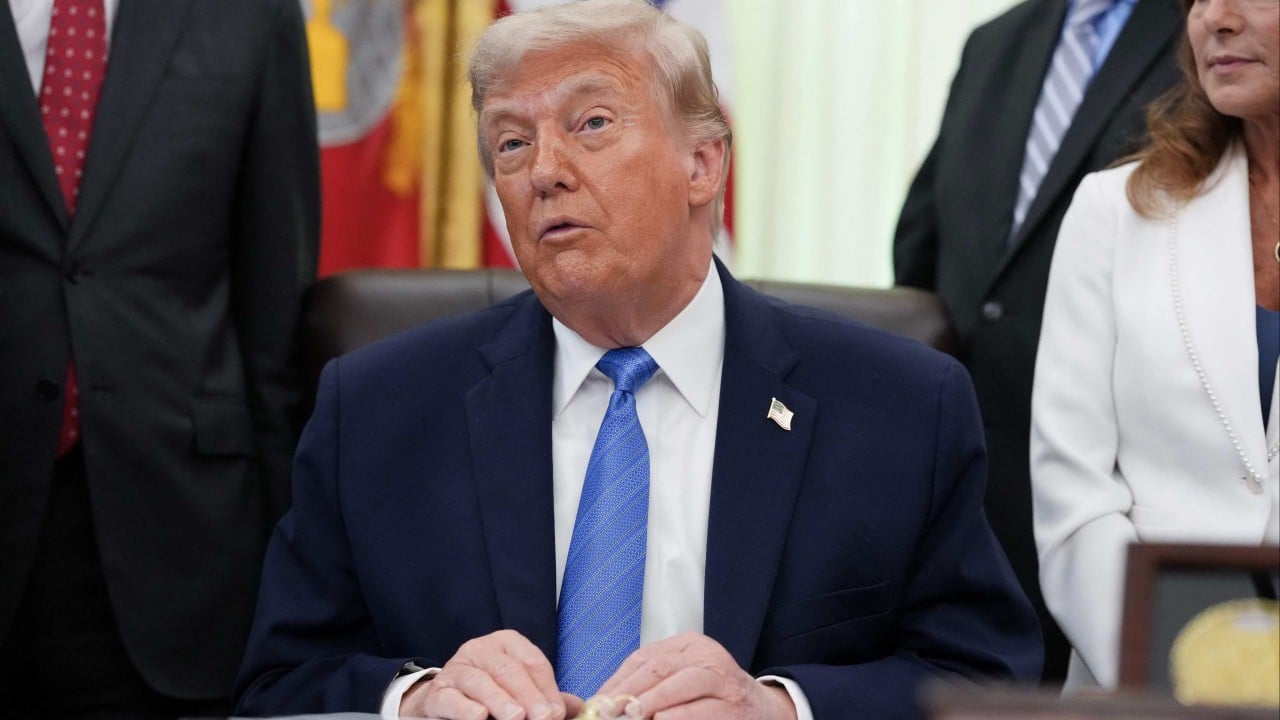
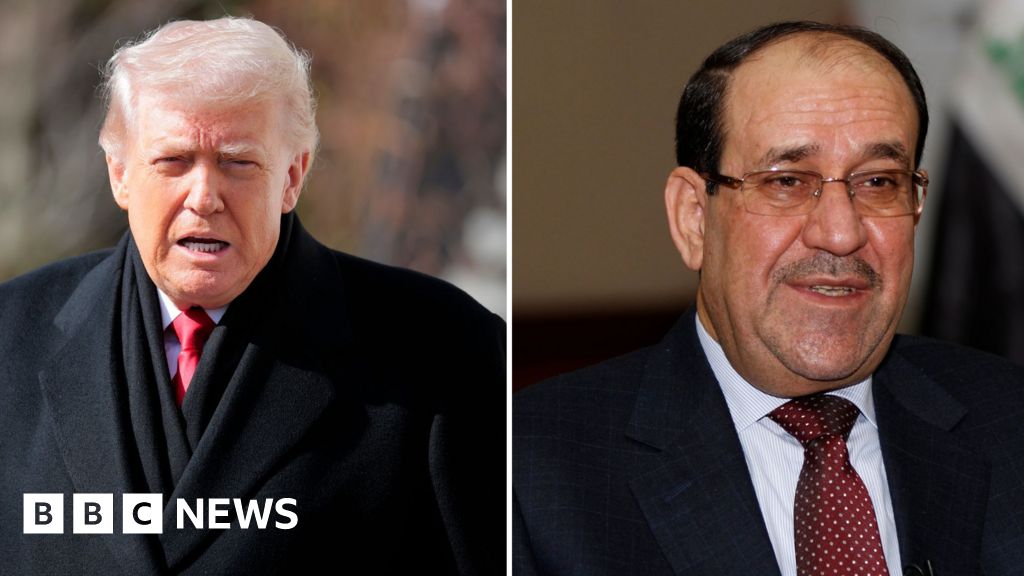
Iraq's political landscape is fracturing as parliament struggles to form a government following recent elections. Shiite Coordination Framework leader al-Maliki is positioning himself for a comeback. Trump explicitly warned via social media that al-Maliki's reinstatement would lead to the termination of U.S. military, economic, and diplomatic aid, labeling it a "very bad choice" due to its ties to Iranian influence. Unconfirmed reports suggest that various Iraqi factions are lobbying for al-Maliki's return despite U.S. pressure. This political maneuvering occurs as Iraq asserts greater autonomy, recently reclaiming key assets like the Ain al-Assad airbase.
Historical Context and Implications
Trump's statement is part of a broader narrative concerning the U.S. drawdown in Iraq. On January 2, Iraq reclaimed Ain al-Assad from U.S. forces; January 10 saw discussions on military ties with Pakistan; January 14 urged U.S. personnel to exit regional bases; and January 17 marked the full withdrawal of U.S. troops from the airbase. By January 26, the U.S. warned against pro-Iran selections in the government formation, reminiscent of the 2011 U.S. withdrawal under Obama. Al-Maliki's previous tenure (2006-2014) was marked by sectarian strife, and the 2020 U.S.-Iraq deal aimed to end foreign combat presence, signaling Iraq's pivot away from American protection.
Why This Matters
Al-Maliki's potential return poses a significant threat to Iraq's sovereignty by deepening Iranian dominance through Shiite militias like the Popular Mobilization Forces, which he supports. U.S. concerns center on Tehran's strategy of embedding influence through proxies, undermining Baghdad's independence. A cutoff of U.S. aid could force Iraq to seek security from Iran or China, diminishing U.S. leverage in countering ISIS remnants and stabilizing oil flows. This situation underscores a shift in U.S. policy toward conditional aid, pressuring allies against alignments with the axis of resistance amid broader Middle East realignments.
Public Reactions and Expert Opinions
Social media has erupted with reactions to Trump's warning. @IraqAnalyst tweeted, "Trump's red line on Maliki is a bluff—Iran's grip is ironclad," garnering 15K likes. Iraqi MP Zana al-Sulagh stated, "Foreign dictation ends Iraq's era of occupation—#SovereignIraq" (20K retweets). Experts align with these sentiments, with AP citing U.S. officials fearing a return to "Iran 2.0" and Al Jazeera quoting an Iranian analyst: "Baghdad chooses its leaders, not Washington."
Looking Ahead
Iraq's parliament vote could potentially crown al-Maliki by February, which may trigger a U.S. aid freeze and lead to instability through protests or militia clashes. Observers should watch for escalating Iranian backing, potential arms deals with Pakistan, and a recalibration of U.S. policy—possibly leading to a full withdrawal and a realignment of alliances toward Gulf states. Increased volatility could risk a resurgence of ISIS, significantly reshaping the power dynamics in the Middle East.
This is a developing story and will be updated as more information becomes available.