
Trump Delays Tariffs on Furniture and Cabinets Amidst Broader Geopolitical Developments
In a significant move reflecting ongoing economic considerations, President Donald Trump announced on January 1, 2026, a one-year delay in the implementation of increased tariffs on upholstered furniture, kitchen cabinets, and vanities. This decision comes amid a backdrop of shifting geopolitical dynamics, including the recent U.S. custody of Venezuelan President Nicolás Maduro.
The delay in tariffs is likely to impact both consumers and manufacturers. By postponing the tariffs, which were originally set to take effect shortly, the administration aims to alleviate potential price increases on these household goods, which could have strained American families already grappling with inflation. The decision is seen as an effort to balance economic pressures with the ongoing complexities of U.S. trade relations, particularly with countries like China, a major supplier of imported furniture products.
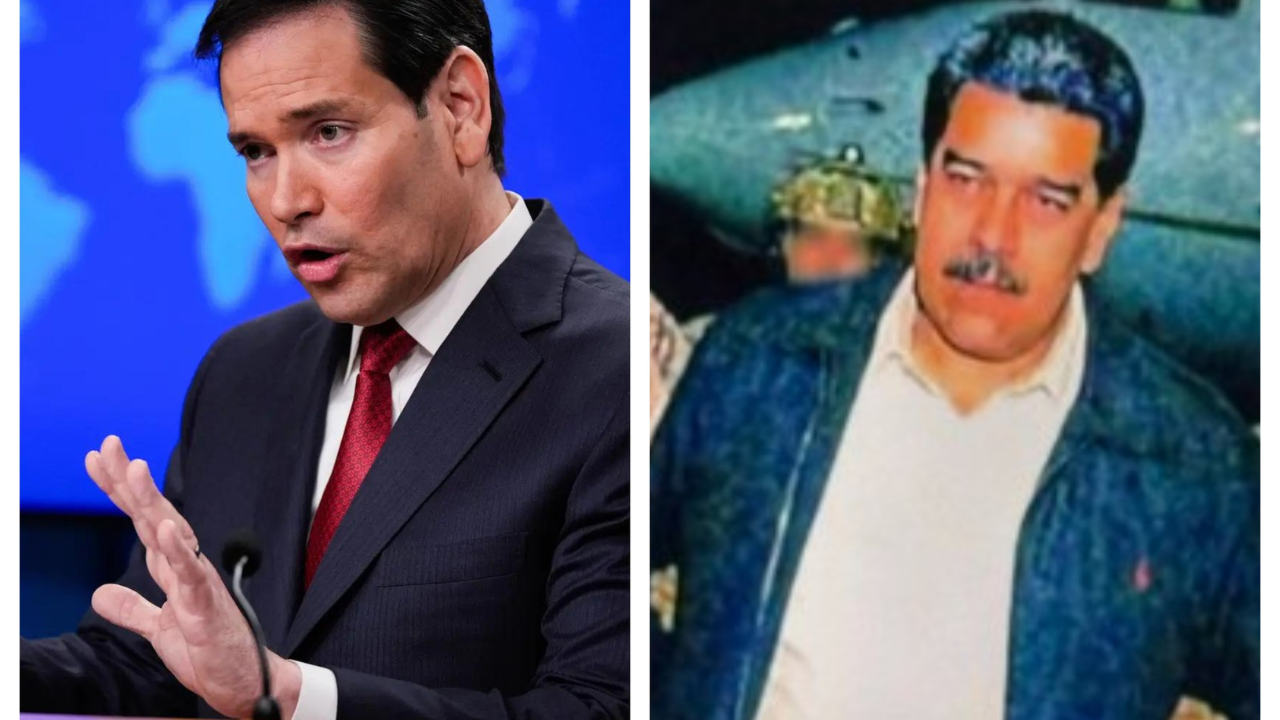
The timing of this announcement coincides with a notable geopolitical event: the capture of Nicolás Maduro, who is now in U.S. custody. Following this development, Republican Senator Marco Rubio stated that there would be no further action regarding Venezuela. This statement indicates a potential shift in U.S. foreign policy focus, as the Biden administration navigates the implications of Maduro's detention and its impact on U.S.-Venezuela relations.
The geopolitical landscape has been particularly tumultuous, with ongoing conflicts and tensions in various regions. However, the Trump administration's decision to delay tariffs reflects a strategic economic approach, possibly aiming to bolster domestic markets while also responding to international developments.
Background
Since assuming office in January 2025, President Trump has re-emphasized his administration's commitment to protecting American industries while managing complex trade relationships. The furniture and cabinet industry has faced challenges from international competition, leading to previous tariff discussions aimed at leveling the playing field for domestic manufacturers.
The U.S. trade policy has often been a point of contention, particularly regarding relationships with China, which has historically supplied a significant portion of American furniture imports. The delay in tariffs may signal an attempt to negotiate or reconsider these trade dynamics amidst broader geopolitical tensions.
The situation in Venezuela, highlighted by the U.S. custody of Maduro, adds another layer of complexity to U.S. foreign policy. The Biden administration’s approach to Venezuela has been scrutinized, particularly regarding human rights abuses and the humanitarian crisis in the country. The decision to halt further punitive measures against Venezuela may reflect a strategic pivot as the U.S. contemplates its next steps in the region.
Conclusion
President Trump's decision to delay tariffs on furniture and cabinets highlights the intersection of domestic economic policy and international relations. As the U.S. navigates the complexities of its geopolitical landscape, including the recent developments in Venezuela, the administration appears to be weighing immediate economic impacts against long-term strategic goals. The coming months will likely reveal how these decisions play out in both the domestic market and in the broader context of U.S. foreign policy.






