
Trump Administration Ramps Up Border Security and Sanctions Enforcement Amid Legal Pushback and International Tensions
Washington, D.C. – The Trump administration intensified its focus on border security and international sanctions this week, seizing two oil tankers linked to sanctioned regimes, launching a refugee review operation in Minnesota, and facing a lawsuit from San Diego over border barrier construction. These actions, coupled with President Trump's pointed remarks on NATO, underscore a renewed emphasis on America First policies in geopolitics.
On Wednesday, the U.S. Coast Guard conducted predawn boarding operations on two "ghost fleet" oil tankers, seizing a Russian-flagged vessel, the Marinera, in the North Atlantic and a second tanker in the Caribbean. U.S. officials described the ships as part of a shadow fleet evading sanctions by transporting oil for countries including Venezuela, Russia, and Iran. Department of Homeland Security Secretary Kristi Noem declared that criminals worldwide "are on notice," stating, "You can run but you can't hide." White House Press Secretary Karoline Leavitt confirmed the crew of the seized vessels would face prosecution, emphasizing the tankers' role in a "Venezuelan shadow fleet."
The operations drew sharp international rebuke from Russia, which condemned the seizure of the Marinera as a violation of maritime law and freedom of navigation on the high seas. Moscow argued the action lacked legal basis, noting the tanker had previously been sanctioned and renamed after evading a U.S. blockade near Venezuela. Sen. Bill Hagerty, R-Tenn., praised the moves on Newsmax, saying they send an "unmistakable warning to criminal networks and hostile regimes" funding narco-terrorism.
In parallel domestic efforts, federal immigration officials launched a major operation in Minnesota targeting refugees from travel ban countries for case reviews that could lead to deportations amid a fraud investigation. This initiative reflects ongoing priorities to scrutinize immigration from designated high-risk nations.
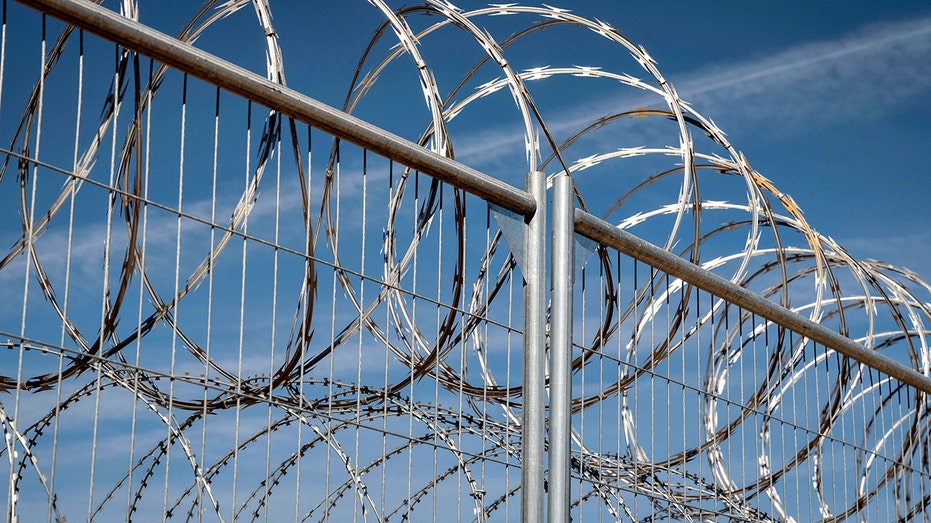
Complicating border enforcement, the city of San Diego filed a lawsuit against the federal government on Wednesday, alleging trespassing and unauthorized construction of a border barrier, including razor wire, on city land near the Mexico border without consent or proper authority. The suit seeks to halt the project, highlighting local-federal tensions over immigration control.
President Trump also voiced skepticism about NATO alliances during recent comments, stating, "We will always be there for NATO, even if they won’t be there for us." He accused allies of failing to meet defense spending commitments, echoing long-standing criticisms from his first term. These remarks come amid broader U.S. actions, such as reported interests in Greenland defense, signaling strategic recalibrations in transatlantic relations.
Background and Context
These developments occur against the backdrop of President Trump's return to office, where border security and sanctions enforcement have been central pledges. The U.S. has maintained sanctions on Venezuelan oil since 2019 to pressure the Maduro regime, expanded under Biden and now aggressively pursued. Shadow fleets—vessels that disable transponders to evade tracking—have proliferated, transporting sanctioned crude to buyers in China and elsewhere, prompting U.S. naval interventions.
The Minnesota operation builds on Trump's travel bans from 2017, targeting nations like those in the Middle East and Africa for elevated vetting due to terrorism risks. Fraud probes in refugee resettlement have intensified post-2024 election.
Border wall construction, a hallmark of Trump's first term, saw over 450 miles built despite legal battles. San Diego's suit revives disputes from that era, where cities challenged federal eminent domain and environmental impacts under the Rivers and Harbors Act and other laws.
NATO spending remains contentious; only 11 of 31 allies met the 2% GDP target in 2024, per alliance data, fueling U.S. frustration over burden-sharing.
Outlook
U.S. officials frame these actions as deterrents against illicit networks funding adversaries. Russia’s protest may escalate diplomatic friction, while the San Diego litigation could delay barrier expansions. As the administration settles in, expect continued maritime patrols and immigration scrutiny, balancing domestic legal hurdles with global enforcement. No immediate retaliatory moves from Moscow or affected regimes have been reported.
(Word count: 612)






