
Tragic Mall Fire in Pakistan: A Wake-Up Call for Safety Regulations
Overview of the Incident
At least 67 people are dead and dozens injured after a devastating fire tore through Gul Plaza, a bustling shopping mall in Karachi, Pakistan, on January 19, 2026. This tragedy has exposed deep-rooted failures in the country's fire safety regulations and ignited urgent calls for systemic reform amid a pattern of deadly blazes.
Details of the Fire
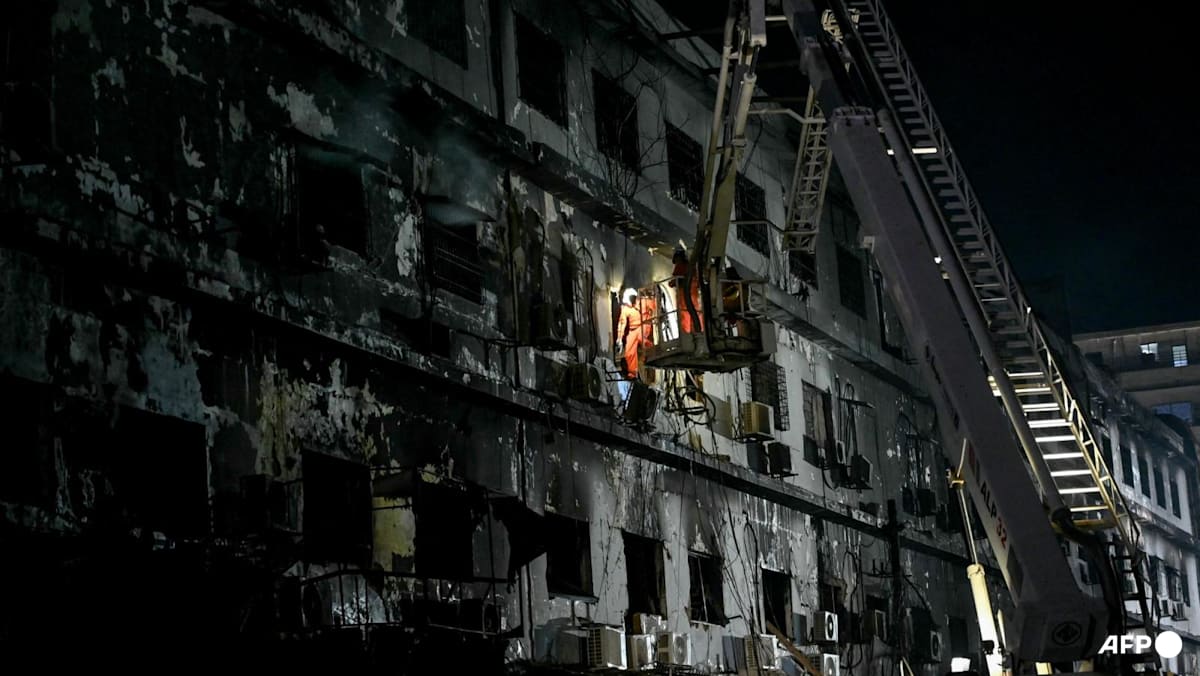
The fire erupted late Saturday at Gul Plaza in Karachi's commercial district, rapidly engulfing the multi-story mall packed with shoppers. Initial reports indicate the blaze started on the upper floors, possibly from an electrical short circuit or gas leak. Tragically, locked emergency exits and non-functional fire alarms trapped dozens inside. Rescue operations stretched into Sunday, with firefighters battling thick smoke and structural collapses. The confirmed death toll has climbed to 67, including women and children, while over 50 others remain hospitalized with severe burns and smoke inhalation. Eyewitnesses described chaotic scenes of people jumping from windows and screams echoing as flames spread unchecked. Authorities have sealed the site for investigation, confirming that no fire sprinklers were operational.
Context & Background
This tragedy fits a grim pattern of fire incidents plaguing Pakistan's commercial sector. Just a week prior, on January 18, 2026, a fire at another Karachi shopping plaza claimed six lives, highlighting identical issues like absent fire escapes. Earlier on January 11, a gas explosion at a wedding venue killed a bride and groom, underscoring lax gas safety protocols. Over the past decade, similar disasters—such as the 2020 Baldia factory fire (over 250 dead) and the 2012 Lahore garment factory blaze (78 killed)—reveal recurring failures: inadequate building codes, corruption in inspections, and ignored retrofitting mandates. Pakistan's National Building Code exists on paper but lacks rigorous enforcement, especially in rapidly urbanizing cities like Karachi, where malls prioritize profits over safety.
Why This Matters
Gul Plaza's inferno is more than an isolated calamity—it's a stark indictment of systemic regulatory voids in Pakistan's commercial buildings. Experts, including fire safety engineer Dr. Ayesha Khan from Lahore University, note that 80% of urban malls flout basic standards like automatic sprinklers and wide exits, per a 2025 audit by the Pakistan Engineering Council. Weak enforcement stems from underfunded local bodies and builder bribes, leaving vulnerable populations—low-wage workers and families—at risk. This incident amplifies economic stakes too: Karachi's retail hub generates billions, but repeated fires erode investor confidence and tourism. For stakeholders, from mall owners facing lawsuits to a government under pressure, it demands accountability, potentially reshaping liability laws and insurance mandates.
Public Reaction
Public fury has exploded online, with #GulPlazaFire trending in Pakistan. Activist Malala Yousafzai tweeted: "Heartbroken by Gul Plaza tragedy. How many lives before we enforce fire safety? Demand accountability now." (@Malala, 50K+ likes). Karachi resident Ahmed Khan posted: "Locked doors killed my sister. No more excuses—shut down unsafe malls!" (@AhmedKarachi, viral video 1M views). Rescue worker statements echo this: "No extinguishers, no plan—pure negligence," said firefighter Ali Rehman to local media. Petitions on Change.org, surpassing 100K signatures, call for a national safety audit.
Looking Ahead
Expect intensified scrutiny: Punjab and Sindh governments may announce emergency inspections within days, spurred by media and protests. A federal overhaul of fire codes—mandating sprinklers and annual drills—looms likely by mid-2026, mirroring post-2020 reforms. Watch private sector responses: chains like Gul Plaza's owners could fund retrofits to avert boycotts. If unaddressed, more unrest or investor flight could follow.
This is a developing story and will be updated as more information becomes available.