Tragic Ferry Disaster in the Philippines: A Look at Maritime Safety and Historical Patterns
Breaking News: Ferry Disaster Update
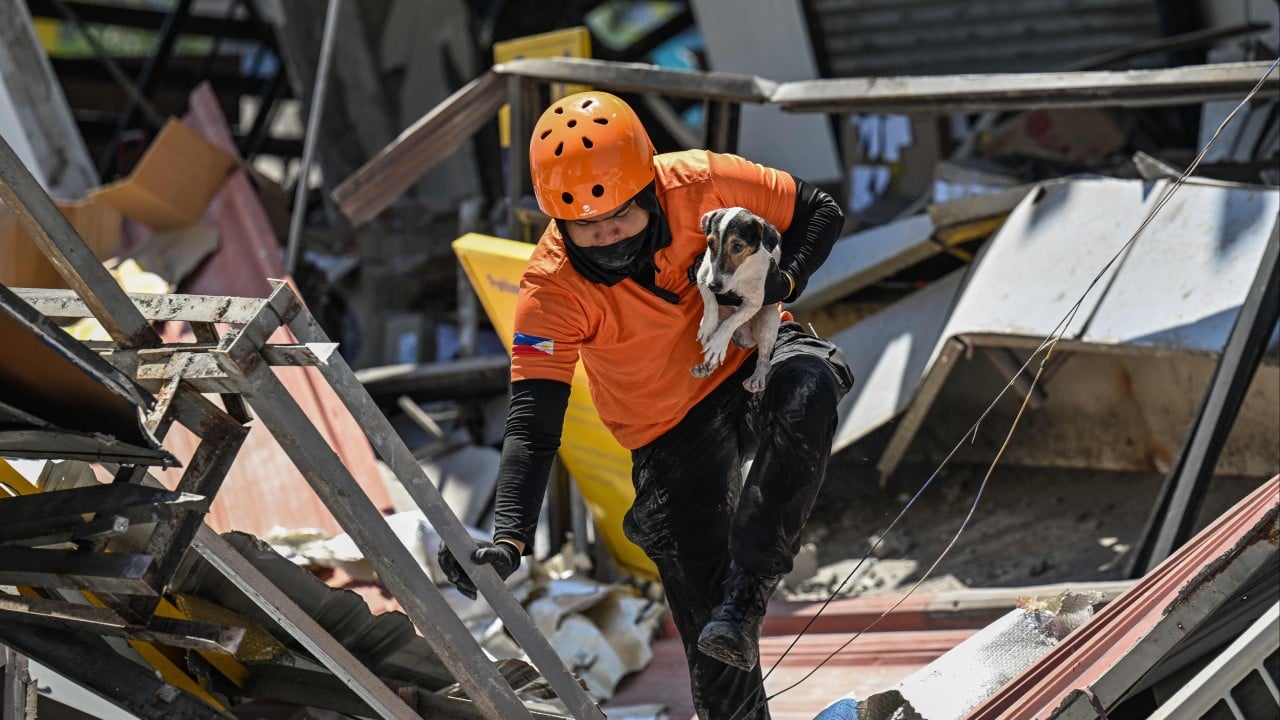
A passenger ferry carrying over 350 people capsized and sank off the southern Philippines on January 26, 2026, amid rough seas, marking the latest in a string of deadly maritime incidents. Initial reports confirm at least 15 deaths, with some outlets reporting up to 18 confirmed fatalities; 28 people remain missing as rescue operations continue. The vessel, operating between Zamboanga and Basilan provinces, went down shortly after departure, prompting a massive response from the Philippine Coast Guard, local fishing boats, and military vessels. Over 300 survivors have been accounted for, many rescued in the early hours. Community response has been swift, with volunteers in Zamboanga providing aid to families. Confirmed: Sinking occurred around 10 a.m. local time; survivor count exceeds 300. Unconfirmed: Exact cause, though overloading and weather are suspected.
Historical Context: A Pattern of Maritime Disasters
This tragedy echoes a grim history of maritime failures in the Philippines, where the archipelago's geography makes ferries vital yet perilous. The January 26 sinking follows a cluster of disasters signaling systemic neglect: On January 9, a landfill collapse in Cebu City killed several; another in Binaliw that day buried homes; and a January 16 garbage avalanche in Cebu exacerbated vulnerabilities. Paralleling these, maritime horrors include the 1987 MV Doña Paz collision (4,386 dead, worst peacetime sea disaster), the 2008 MV Princess of the Stars typhoon sinking (over 800 dead), and the 2013 MV St. Thomas Aquinas crash (117 dead). These incidents reveal recurring issues—overcrowding, poor maintenance, inadequate life vests—fueled by lax enforcement. Culturally, such losses haunt Filipino society, fostering superstitions like avoiding sea travel on Fridays while galvanizing annual memorials and calls for reform.
On X (formerly Twitter), users drew parallels: @PhilDisasterWatch tweeted, "From Doña Paz to today’s Zamboanga ferry: Same story, same neglect. #PhilMaritimeCrisis," garnering 5K retweets. Survivor accounts trended under #FerrySinkingPH.
Maritime Safety Regulations: Are They Enough?
The Philippines' Maritime Industry Authority (MARINA) mandates life jackets, capacity limits, and weather advisories under Republic Act 9993, aligning superficially with International Maritime Organization (IMO) SOLAS standards. Yet enforcement falters: A 2023 GAO report cited 40% of vessels non-compliant, with corruption and underfunding rampant. Compared to Singapore's zero-tolerance regime or Japan's rigorous audits, Philippine rules lack teeth—fines are minimal (under $1,000), and inspections sporadic. Overloading persists, as seen here (ferry listed for 200 but carried 350). Historical failures, like post-Doña Paz probes yielding temporary bans, underscore a cycle of reactive, unenforced reforms.
What This Means: Looking Ahead
Expect heightened scrutiny: President Marcos Jr.'s administration may announce a ferry moratorium and MARINA overhaul, mirroring 2008's temporary fleet grounding. International aid from IMO could fund vessel upgrades, while NGOs like Greenpeace push digital tracking apps. Community efforts—fisherfolk cooperatives and apps like "SafeSeaPH"—will likely surge, advocating awareness campaigns. Predictions: Stricter overloading penalties by Q2 2026; public audits revealing 20% fleet grounding. Long-term, federal incentives for compliant operators could break the neglect cycle, but sustained political will is key.
This is a developing story and will be updated as more information becomes available.