
Tragedy at Sea: The Sinking of the Philippine Ferry and Its Echoes of Past Maritime Disasters
Overview of the Incident
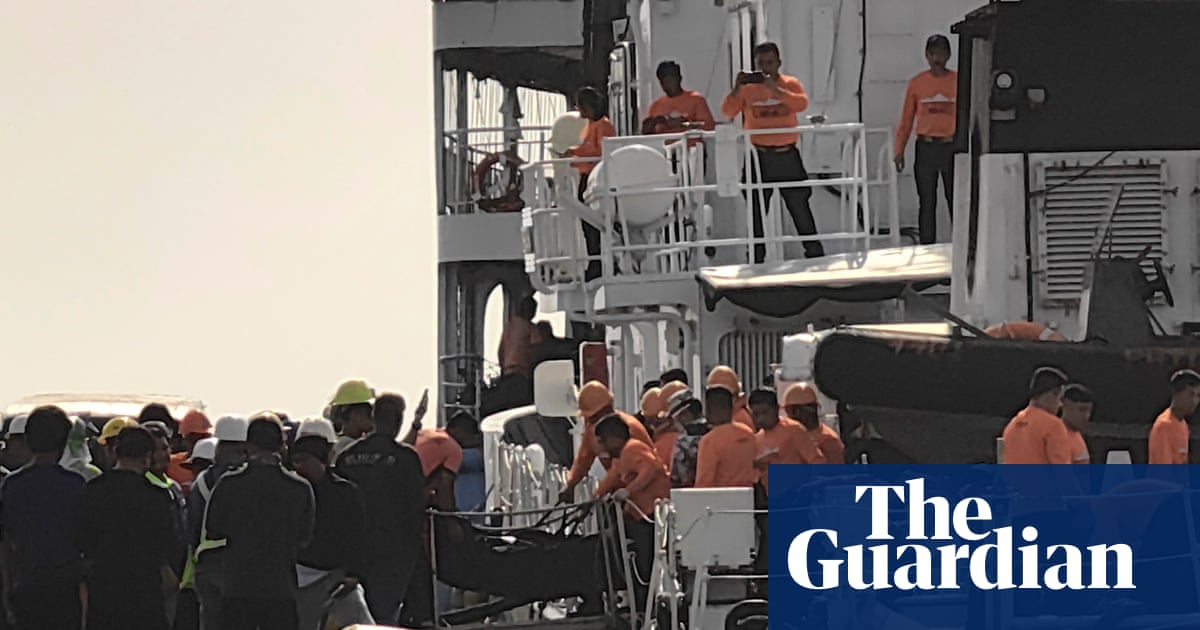
Manila, Philippines – A passenger ferry, the MV Starlight, tragically sank off the southern Philippines on January 26, 2026, while carrying over 350 people. The incident resulted in at least 15-18 confirmed deaths and left 28 individuals missing, prompting ongoing rescue efforts. This disaster highlights the Philippines' persistent maritime safety crisis, reminiscent of previous maritime tragedies and underscoring the urgent need for regulatory reforms.
Details of the Sinking
The MV Starlight, a roll-on/roll-off ferry, capsized in rough seas near Zamboanga del Sur province around 2 a.m. local time. It was en route from Zamboanga City to Basilan, with many passengers traveling for the Eid al-Fitr celebrations. Initial reports indicate that heavy swells and possible overloading may have contributed to the sinking.
Rescue operations, led by the Philippine Coast Guard and local volunteers, have so far recovered between 15 and 18 bodies, while 28 individuals remain unaccounted for. Over 300 survivors have been rescued, many by nearby fishing boats. The challenging weather conditions have hampered search efforts, with divers exploring the wreckage at depths of 50 meters. Unconfirmed reports suggest that the ferry lacked adequate life vests and had an expired safety certificate. Investigations are currently underway by the Maritime Industry Authority (MARINA).
Historical Context
The Philippines, an archipelago of over 7,600 islands, heavily relies on ferries, transporting approximately 100 million passengers annually. However, maritime disasters are alarmingly frequent. Notable tragedies include the 1987 Doña Paz sinking, which claimed 4,386 lives, making it the deadliest peacetime maritime disaster; the 2008 capsizing of the MV Princess of the Stars during Typhoon Frank, resulting in 814 fatalities; and the 2013 collision involving the MV St. Thomas Aquinas, which killed 116.
These incidents reveal systemic issues in the maritime sector, including overloading, inadequate maintenance, and lax enforcement of safety regulations, often exacerbated by corruption and underfunding. The January 2026 ferry sinking follows a series of disasters earlier in the month, including landfill collapses in Cebu City, which further expose the country's infrastructure vulnerabilities.
What This Means
The recent ferry sinking is not an isolated incident; it reflects the broader maritime safety crisis in the Philippines, where approximately 70% of vessels operate under substandard conditions, according to 2024 audits. Existing regulations under Republic Act 9993 mandate life-saving equipment and inspections, but enforcement remains inconsistent, with only 40% compliance reported last year.
The economic implications are significant, as disruptions to ferry services could cost millions in trade between Basilan and Zamboanga. Moreover, the incident raises questions about the safety of maritime travel in developing nations, particularly in the face of climate change and extreme weather events. Stakeholders, including families of victims, the tourism sector, and government officials, face mounting pressure to restore public trust and ensure safety.
Looking Ahead
In the coming weeks, expect MARINA to conduct audits of all 1,200+ ferries, which may lead to fleet groundings and congressional investigations. Public outrage, especially given the timing of the Eid celebrations, could spark protests demanding stricter safety regulations and the implementation of digital tracking technology for vessels. Potential reforms, such as mandatory satellite beacons, may gain momentum, supported by international grants. As investigations continue, the confirmed missing toll could rise, and the determination of liability will be crucial for future safety measures.
This is a developing story and will be updated as more information becomes available.