
Thousands of Irish Farmers Protest EU's Controversial Mercosur Trade Deal
Dublin, Ireland – Thousands of Irish farmers took to the streets on Saturday, January 10, 2026, in a widespread show of discontent against the European Union's newly approved trade agreement with the Mercosur bloc. The demonstrations, which coincided with similar actions in France, underscore deep anxieties within Europe's agricultural sector over the deal's potential to flood markets with low-cost South American imports.
The protests erupted just one day after EU member states gave their approval to the long-stalled EU-Mercosur trade pact, despite vocal opposition from farming-heavy nations like Ireland and France. Organized under banners of major Irish farming groups, the rallies drew participants from across the country, converging in key locations to voice fears that the agreement threatens the viability of local beef, dairy, and other livestock production. Event tracking data indicates the unrest began around 2:39 p.m. GMT, escalating into a medium-severity civil disturbance as crowds blocked roads and staged symbolic actions highlighting the plight of family farms.
Farmer Concerns at the Forefront
Irish farmers, who form the backbone of the nation's €13 billion agriculture industry, argue that the deal will undermine strict EU standards on animal welfare, environmental protections, and food safety. Mercosur nations—primarily Brazil, Argentina, Paraguay, and Uruguay—produce vast quantities of hormone-treated beef and other products at significantly lower costs, potentially displacing Irish exports. "This deal is a death knell for our farms," echoed sentiments from protest organizers, as reported in initial coverage.
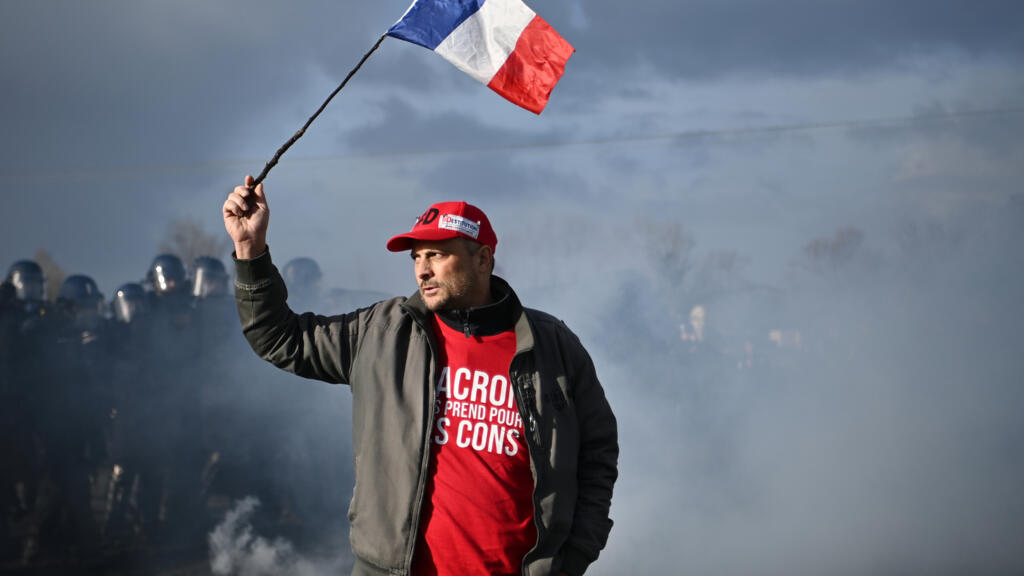
The scale of the turnout was notable, with thousands participating in coordinated events that disrupted traffic in rural and urban areas alike. Similar demonstrations unfolded in France, where farmers parked tractors near government buildings and major ports, amplifying a cross-border wave of resistance. This synchronized action reflects a broader European farming backlash, building on years of intermittent protests against EU agricultural policies.
Background on the EU-Mercosur Deal
Negotiations for the EU-Mercosur free trade agreement date back to 1999, with a political outline agreed upon in 2019 after two decades of talks. The pact aims to eliminate tariffs on 91% of EU exports to Mercosur and 92% in the reverse direction, opening a market of nearly 800 million consumers. Proponents, including EU trade officials and industrial sectors, highlight benefits such as reduced duties on cars, chemicals, and machinery from Europe, alongside opportunities for sustainable development in Mercosur countries.
However, ratification has been mired in controversy. Environmental groups and farmers criticized the deal for potentially accelerating Amazon deforestation, as Mercosur's agricultural expansion has been linked to habitat loss. Ireland's government, led by Tánaiste Simon Harris, had joined France, Austria, and Italy in opposing provisional application, citing non-compliance with the Paris Agreement on climate change. The European Parliament rejected the deal in 2024, but member states' endorsement on January 9, 2026, marked a pivotal shift, paving the way for formal signing and ratification processes expected to span years.
Ireland's agricultural lobby, including the Irish Farmers' Association (IFA), has been particularly vocal. The country is the EU's largest beef exporter, shipping over 500,000 tonnes annually, much of it to the UK and continental Europe. Modeling by the European Commission suggests the deal could increase Mercosur beef imports to the EU by up to 200,000 tonnes per year—equivalent to nearly half of Ireland's output—without adequate safeguards.
Broader Context and European Ripple Effects
This unrest fits into a pattern of farmer protests across Europe, from Dutch tractor blockades in 2022 to French "yellow vest"-style mobilizations in 2024, often centered on subsidy cuts, green regulations, and trade pressures. The EU's Common Agricultural Policy (CAP), which allocates €387 billion for 2021-2027, has faced scrutiny amid inflation and the Ukraine war's fallout on feed and fertilizer costs. Irish farmers, already grappling with wet weather impacting 2025 yields, view the Mercosur deal as an existential threat.
French participation on January 10 amplified the message, with FNSEA union leaders warning of "irreversible damage" to European food sovereignty. EU Agriculture Commissioner Janusz Wojciechowski acknowledged the concerns post-approval, promising "safeguard mechanisms" like tariff quotas, but critics dismissed these as insufficient.
Outlook Amid Ongoing Tensions
As protests dispersed late Saturday, Irish farming leaders vowed to sustain pressure through political lobbying and further actions ahead of the deal's signing phase. The Irish government has signaled it will push for amendments during ratification, while EU officials emphasize the agreement's role in diversifying trade amid U.S.-China tensions.
The events highlight a deepening rift between the EU's trade ambitions and its rural economies. With national parliaments and the European Parliament yet to vote, the Mercosur pact remains vulnerable to derailment. For Irish farmers, Saturday's rallies signal the start of a prolonged campaign to protect an industry that employs one in eight workers and shapes the nation's landscape.
(Word count: 712)






