Thousands of Irish Farmers Protest EU-Mercosur Trade Deal Amid Fears for Local Agriculture

Latest from X
Thousands of Irish Farmers Protest EU-Mercosur Trade Deal Amid Fears for Local Agriculture
Dublin, Ireland – Thousands of Irish farmers rallied in protests across the country on Saturday, January 10, 2026, voicing strong opposition to the European Union's newly approved trade agreement with the South American Mercosur bloc. The demonstrations, which began around 2:39 p.m. GMT, highlighted growing discontent among Ireland's agricultural sector over potential flooding of the market with cheaper imports, threatening local livelihoods.
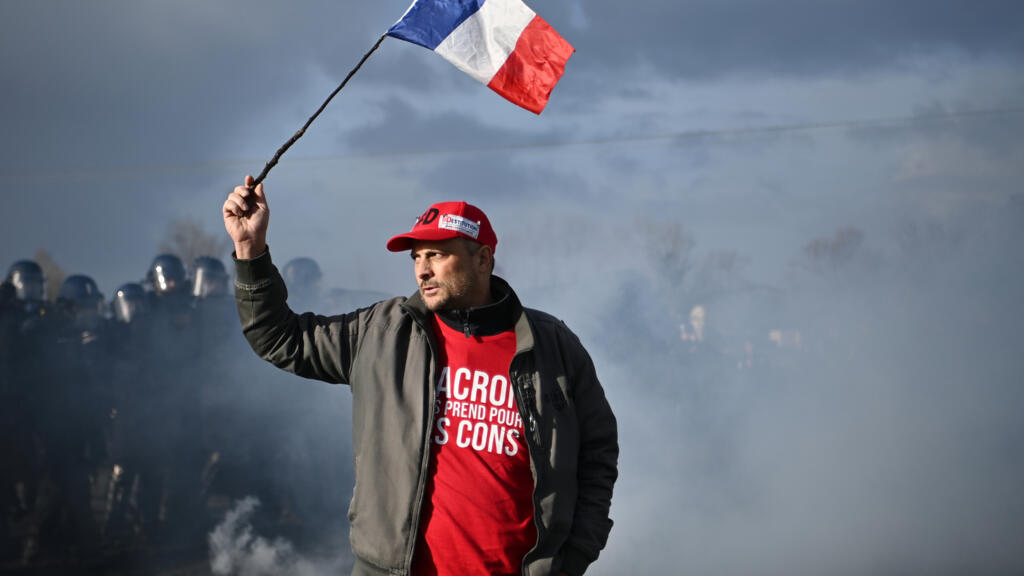
The protests erupted just one day after EU member states greenlit the long-contested EU-Mercosur trade deal on Friday, January 9, despite vocal objections from countries like Ireland and France. Farmers in both nations took to the streets simultaneously, underscoring a unified front against the pact, which is poised to lower tariffs on agricultural products from Mercosur nations—primarily Brazil, Argentina, Paraguay, and Uruguay—in exchange for greater European access to South American industrial goods and services.
In Ireland, where beef and dairy production form the backbone of the rural economy, demonstrators gathered in key locations including Dublin and regional farming hubs. Placards and chants decried the deal as a "betrayal" of European farmers, with concerns centering on the influx of hormone-treated beef and other products that do not meet stringent EU environmental and animal welfare standards. Irish agriculture, renowned for its grass-fed beef exports—valued at over €3 billion annually—faces particular vulnerability, as the country is already the EU's largest beef exporter.
The RFI report detailed parallel actions in France, where thousands of farmers blocked roads and staged tractor convoys, amplifying the cross-border nature of the unrest. French producers, grappling with similar issues in poultry, pork, and sugar sectors, joined Irish counterparts in framing the deal as an existential threat. "This agreement will destroy our farms," echoed sentiments reported from the scenes, reflecting fears of price undercutting and job losses.
Background on the EU-Mercosur Deal
Negotiations for the EU-Mercosur free trade agreement date back to 1999, with a political outline agreed in 2019 after two decades of talks. The deal aims to create one of the world's largest free trade zones, covering over 780 million people and nearly a quarter of global GDP. Proponents, including EU trade officials, argue it will boost economic growth by €4 billion annually for the EU through reduced tariffs on cars, chemicals, and machinery, while opening Mercosur markets to European exports.
However, opposition has been fierce from farm lobbies and environmentally conscious groups. Ireland's government, led by Taoiseach Simon Harris, has consistently opposed the deal, citing risks to its €14 billion agri-food sector, which employs about 8% of the workforce. In 2024, the Irish Farmers' Association (IFA) mobilized over 10,000 members for protests, warning of a potential 50,000-tonne annual increase in hormone beef imports—equivalent to Ireland's entire suckler herd output.
Environmental critiques have also mounted, with accusations that the pact could accelerate Amazon deforestation, as Mercosur's lax regulations contrast with the EU's Green Deal ambitions. France vetoed the deal in 2023 under President Emmanuel Macron, and Ireland joined in abstaining or opposing key votes. Despite these hurdles, the EU Council of Ministers approved the agreement provisionally on January 9, 2026, paving the way for ratification by the European Parliament and national legislatures—a process expected to span months or years amid legal challenges.
Posts on X (formerly Twitter) from January 10 captured the raw sentiment, with users sharing images and videos of crowds and tractors, labeling the events as a sign of deepening EU fractures. While social media amplifies voices, official tallies confirm thousands participated peacefully, with no major incidents reported by Gardaí, Ireland's police force.
Broader Context and Implications
This is not Ireland's first brush with farm unrest. In 2024, "tractorgades" similar to France's yellow vest-inspired actions saw farmers blockade ports over EU policies, including the Nature Restoration Law. The Mercosur deal reignites these tensions, coinciding with global pressures like post-Brexit trade shifts—where Ireland lost UK market access—and volatile commodity prices exacerbated by the Russia-Ukraine war.
EU Agriculture Commissioner Maria Luis Albuquerque acknowledged farmer concerns in recent statements, promising safeguards like tariff quotas and sustainability clauses. Yet, critics argue these are insufficient. Ireland's Minister for Agriculture, Charlie McConalogue, reiterated opposition post-approval, vowing to fight during ratification.
As of January 11, 2026, no further large-scale protests are scheduled, but farming unions have called for sustained action. The events signal potential ripple effects across the EU's 10 million farms, testing the bloc's cohesion on trade versus protectionism. With parliamentary debates looming, the deal's fate—and Europe's rural stability—remains in flux.
(Word count: 712)
Track this story live
Original Sources
- •
Editorial process: This article was synthesized from the original sources cited above using The World Now's AI editorial system, with byline accountability from our editorial team. We grade every story for source grounding, factual coherence, and on-topic match before publication. Read more about our editorial standards and contributors. Spot something inaccurate? Let us know.
Last updated: March 9, 2026