Thousands Evacuated Near Philippines' Mayon Volcano Amid Heightened Activity and Rockfalls
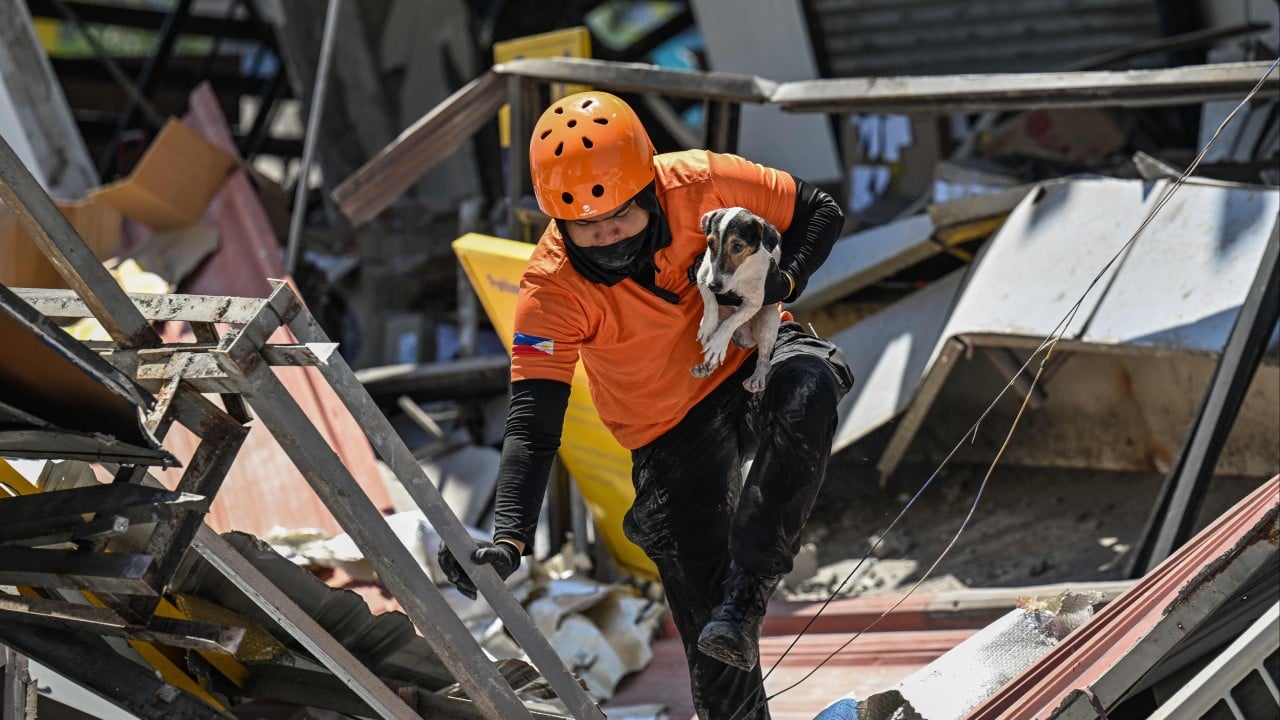
MANILA, Philippines — Authorities in the Philippines have evacuated nearly 3,000 residents from villages surrounding the restive Mayon Volcano in Albay province as signs of increased volcanic activity prompted the raising of the alert level, with reports of rocks cascading down its slopes signaling potential escalation.
The evacuations began in early January 2026, specifically around January 3, when families were ordered to leave their homes due to high-severity activity at the volcano. Ongoing unrest continued through at least January 8, with the Philippine Institute of Volcanology and Seismology (PHIVOLCS) monitoring persistent rockfalls and other indicators. Multiple international reports confirmed the scale of the response, citing figures of around 3,000 evacuees in one account and over 2,800 in another, reflecting the rapid mobilization to protect communities in the volcano's danger zone.
Mayon, often called the "Perfect Cone" for its symmetrical shape, is located in the Bicol Region of southeastern Luzon, approximately 360 kilometers southeast of Manila. The volcano's recent stirrings have led to the expansion of a permanent danger zone, typically encompassing a six-kilometer radius from the summit, where entry is prohibited during elevated alerts. Rockfalls—loose debris tumbling down the steep flanks—were specifically noted as a primary hazard driving the evacuations, alongside potential for ash emissions, pyroclastic flows, and lahars (volcanic mudflows) during rainy conditions.
Reports from global news aggregators, including coverage on January 7 and 8, 2026, highlighted the government's proactive measures. One article from the Orlando Sentinel detailed the evacuation of 3,000 people following the alert level increase due to volcano activity. Similar accounts in Bulgarian outlet Varna24.bg reported over 2,800 individuals displaced specifically because of Mayon's unrest, while a Vietnamese source, Kienthuc.net.vn, described the sơ tán (evacuation) of nearly 3,000 amid fears of an eruption, underscoring the event's international attention.
Background on Mayon Volcano
Mayon is one of the Philippines' 24 active volcanoes and among the world's most active, with at least 50 documented eruptions since 1616. Its last major eruption occurred in 2018, which destroyed over 600 homes, forced the evacuation of more than 90,000 people, and caused significant agricultural losses in Albay. That event produced ash plumes reaching 5 kilometers high and lava flows extending 4.5 kilometers downslope.
The archipelago nation sits on the Pacific "Ring of Fire," a horseshoe-shaped belt of seismic and volcanic activity encircling the Pacific Ocean, making it prone to such events. PHIVOLCS maintains a five-level alert system for Mayon: Level 1 indicates low unrest; Level 2 suggests increasing activity; Level 3 (as implied by recent reports) signals magmatic intrusion with potential for hazardous eruptions; Level 4 anticipates an imminent blast; and Level 5 denotes an ongoing major eruption. While exact current levels were not specified in immediate reports, the scale of evacuations aligns with at least Level 3 protocols, which mandate clearing the six-kilometer permanent danger zone and parts of an extended 7- to 8-kilometer area downslope toward select barangays.
Historical precedents inform the current response. In 2006 and 2009, smaller eruptions led to evacuations of tens of thousands, with lahars posing prolonged threats. The Philippine government, through the National Disaster Risk Reduction and Management Council (NDRRMC), typically provides temporary shelters, food, and medical aid to displacees, as seen in past incidents.
Current Situation and Outlook
As of January 8, 2026, Mayon remained active with high-severity indicators persisting. No full-scale eruption has been reported, but the combination of rockfalls and elevated seismicity keeps authorities on high alert. Evacuees are housed in designated centers in safer municipalities like Guinobatan and Camalig, where local governments are coordinating relief efforts.
PHIVOLCS continues round-the-clock monitoring using seismic networks, gas sensors, and visual observations. Residents outside the danger zones are advised to wear masks against ashfall, avoid rivers prone to lahar, and prepare for possible alerts. The economic impact on Albay's agriculture—particularly rice, coconut, and pili nut farms—is already a concern, mirroring patterns from prior events.
While the situation remains fluid, officials emphasize preparedness to minimize casualties. The Philippines' robust volcanic monitoring infrastructure has historically saved lives, but experts stress that Mayon's unpredictability demands sustained vigilance. Updates from PHIVOLCS and NDRRMC are expected as activity evolves.
(Word count: 612)