Thousands Evacuated as Mayon Volcano in Philippines Escalates Activity with Rockfalls and Raised Alert Level

Latest from X
Thousands Evacuated as Mayon Volcano in Philippines Escalates Activity with Rockfalls and Raised Alert Level
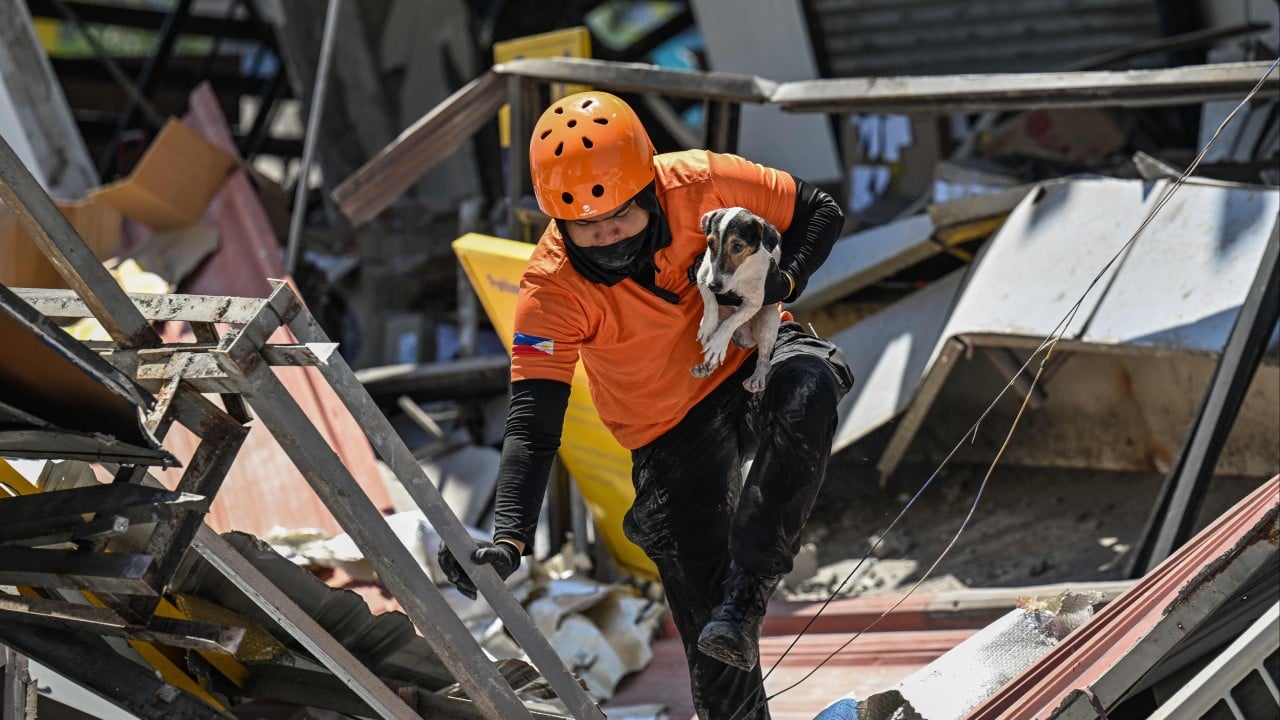
Legazpi, Philippines – Authorities in the Philippines have evacuated more than 3,000 villagers from the danger zones around Mayon Volcano in Albay province as heightened volcanic activity, including cascading rocks and increased seismic events, prompted the raising of the alert level to 3 on Wednesday, January 7, 2026.
The evacuations, which began around January 3, underscore the growing concerns over Mayon's unrest. Families from communities near the volcano's slopes have been relocated to temporary shelters to avoid potential hazards such as rockfalls, pyroclastic density currents, and lahars. The Philippine Institute of Volcanology and Seismology (PHIVOLCS), the government's monitoring agency, reported a surge in volcanic earthquakes and rockfall events, signaling magma movement beneath the summit crater.
According to reports, the volcano has exhibited very slow lava effusion from its summit, generating incandescent rockfalls along the Miisi, Bonga, and Basud gullies. In the latest 24-hour observation bulletin ending at noon on January 7, PHIVOLCS recorded 131 rockfall events alongside one volcanic earthquake, maintaining the volcano at Alert Level 3, which indicates "increasing unrest" and a high risk of eruption within weeks. This follows an upgrade from Alert Level 2, noted in a bulletin on January 5, amid one volcanic earthquake and ongoing activity.
The Butler Eagle reported that the mandatory evacuation order affected at least 3,000 residents from four barangays within the six-kilometer permanent danger zone. Local disaster risk reduction offices in Albay have activated evacuation centers, providing food, water, and medical support. "We are prioritizing the safety of our people," a provincial official stated, emphasizing preemptive measures based on PHIVOLCS advisories.
Mayon Volcano, often called the "Perfect Cone" for its symmetrical shape, is one of the Philippines' 24 active volcanoes and has a long history of destructive eruptions. Located about 360 kilometers southeast of Manila in the Bicol Region, it last had a major eruption in 2018, which displaced over 70,000 people and caused significant ashfall and lahar flows. Previous unrest episodes, such as in 2022 and 2023, saw alert levels raised to 1 and higher due to similar signs of rockfalls and seismic activity, leading to proactive evacuations that mitigated casualties.
PHIVOLCS has defined Alert Level 3 as a phase where the volcano shows "magmatic intrusion that may lead to an effusive or explosive eruption in weeks." Restrictions now include a no-fly zone over the crater, bans on entering the permanent danger zone, and advisories for the 6- to 12-kilometer expansion zone against lahar risks during rain. Sulfur dioxide emissions, a key indicator, have been elevated, though exact figures from recent bulletins were not specified in available updates.
The ongoing activity began intensifying around early January, with the high-severity evacuation event logged starting January 3 and medium-severity active status confirmed as of January 7. Residents in nearby areas like Daraga, Guinobatan, and Legazpi have reported intermittent ash emissions and rumbling sounds, heightening anxiety in the densely populated region.
Government agencies, including the Department of Social Welfare and Development, have prepositioned aid worth millions of pesos. The National Disaster Risk Reduction and Management Council is coordinating with local units to ensure sustained support for evacuees, many of whom are farmers reliant on the volcano's fertile slopes.
PHIVOLCS continues round-the-clock monitoring using seismic networks, gas measurements, and visual observations. Posts from the agency's official X account highlight the persistent rockfalls and stress the need for compliance with evacuation orders. "The situation remains dynamic," officials noted, urging the public to avoid the danger zones and stay informed via official channels.
As of January 7 evening, no explosive eruption has occurred, but experts warn that escalation to Alert Level 4 could happen if unrest intensifies. The Philippines, situated on the Pacific Ring of Fire, experiences frequent volcanic events, with Mayon accounting for some of the most monitored due to its proximity to population centers. Historical data shows that early warnings have saved lives in past events, such as the 1814 eruption that killed over 1,200.
Communities remain on high alert, balancing displacement hardships with safety. PHIVOLCS has projected that Alert Level 3 could persist for weeks, with potential for either stabilization or further escalation. International volcanologists are watching closely, given Mayon's role in global eruption studies.
(Word count: 612)
Track this story live
Live World Map
Monitor global events in real time with a live activity map and hotspot summaries.
Global Disaster Tracker
View earthquakes, volcanoes, floods, weather, and wildfire clusters in one place.
Volcano Eruptions Today
Follow active volcano alerts, eruption clusters, and recent volcanic developments.
Original Sources
- •Philippines evacuates 3,000 villagers after volcano activity raises alert level— GDELT / Butler Eagle
Editorial process: This article was synthesized from the original sources cited above using The World Now's AI editorial system, with byline accountability from our editorial team. We grade every story for source grounding, factual coherence, and on-topic match before publication. Read more about our editorial standards and contributors. Spot something inaccurate? Let us know.
Last updated: January 8, 2026