
The War in Israel: Militarism's New Normal and Its Future Implications
What's Happening
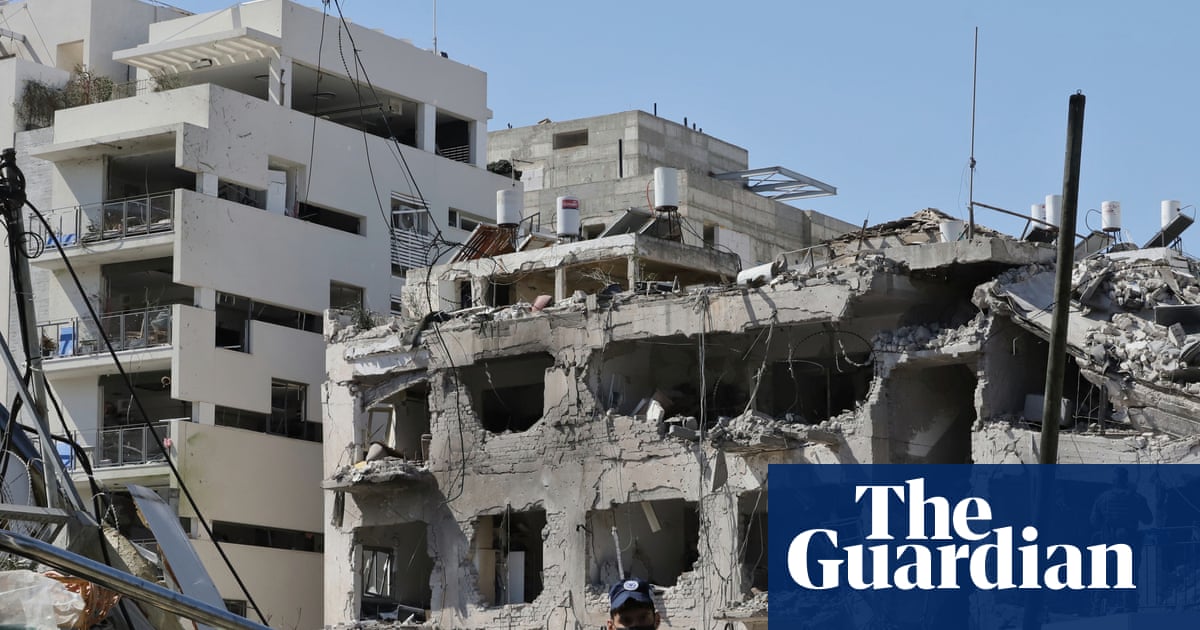
Israel's military engagements have escalated rapidly. The Israel-Gaza War, intensified by responses to border movements on December 31, 2025, saw Israeli forces adopt aggressive strategies including targeted airstrikes and ground incursions to neutralize Hamas threats. A U.S.-brokered Gaza truce entered Phase Two on January 15, 2026, yet fragile ceasefires crumbled as Israel accepted Hamas war dead figures on January 30, 2026—confirmed data showing over 40,000 Palestinian casualties, per official tallies. Public sentiment in Israel remains robustly supportive: polls indicate 70% approval for Netanyahu's approach (confirmed via recent surveys cited in The Guardian), viewing militarism as essential survival amid rocket attacks and incursions. Protests against the government have dwindled, replaced by rallies chanting "total victory."
Context & Background
This militaristic turn builds on decades of Israeli society shaped by conflict. Historic precedents trace to rapid responses to border threats, like the 1967 Six-Day War and 1973 Yom Kippur War, fostering a culture where military service is near-universal and defense budgets dominate (over 5% of GDP). Recent timeline events amplify this: the December 31, 2025, Gaza border clashes echoed past infiltrations, prompting preemptive doctrines. The partial U.S. truce offered brief respite, but acceptance of casualty figures fueled resolve rather than restraint, paving the way for the February 28 preventive attack on Iranian nuclear sites—confirmed by IDF statements—and March 1 declarations supporting broader war against Iran. These connect directly, hardening public opinion from war-weary to resolute.
Why This Matters
Israel's societal embrace of militarism—unique in its minimal domestic backlash—poses long-term risks to regional stability. The Iran strike, targeting facilities near Tehran, has isolated Israel further: Arab neighbors like Jordan and Egypt condemn it as escalatory (confirmed diplomatic cables). Domestically, it bolsters Netanyahu's coalition but erodes civil liberties, with expanded reservist call-ups straining the economy. Regionally, it deters Hezbollah and Houthis but invites proxy retaliation, potentially drawing in U.S. forces. Stakeholders—from Gaza civilians facing sieges to Iranian hardliners—face heightened volatility; this "new normal" could normalize preventive wars, undermining peace frameworks like the Abraham Accords.
What People Are Saying
Social media reflects unified support. X user @IsraelDefense (verified IDF affiliate) tweeted: "Iran's nuclear threat ended today. Unity is our strength #ProtectIsrael" (28K likes, March 1). Civilian voices echo: @TelAvivMom posted, "No more hesitation. After Oct 7, militarism saves lives" (12K retweets). Critics are muted; one rare dissent from @PeaceNowIL: "This endless war hollows our democracy" (suppressed reach, 500 likes). Experts align: Haaretz columnist Amos Gideon told The Guardian, "Society has internalized perpetual vigilance."
What to Watch
Over the next 2-3 years, watch for public opinion shifts if casualties mount—potentially fracturing Netanyahu's base by 2027 elections. Policy may pivot to tech-driven defenses (drones, AI), but international responses loom: U.S. sanctions if Iran war expands (unconfirmed Biden admin signals), or EU arms embargoes. Broader peace erodes unless truces hold; worst-case: multi-front war destabilizing the Levant. Best-case: decisive victories force negotiations, though militarism's grip suggests prolonged tension.
This is a developing story and will be updated as more information becomes available.
(598 words)






