Strikes on Iran Result in Steel Export Ban Due to War Damage
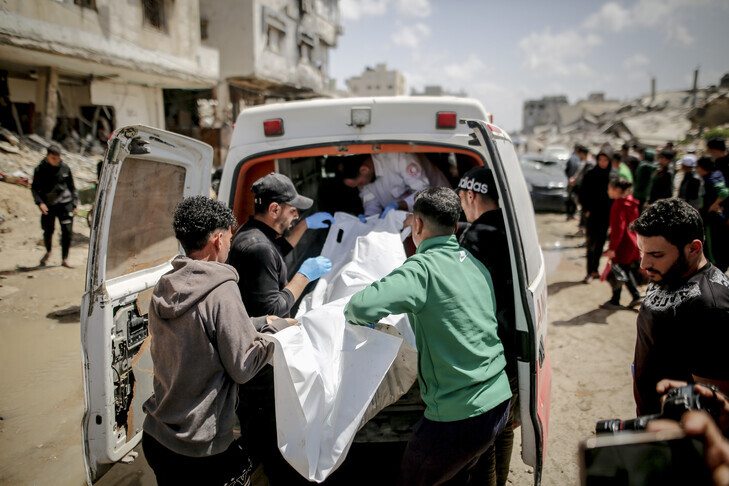
The strike Iran experienced through airstrikes in February 2026 has set off a chain of regional escalations, encompassing significant economic pressures and an increased likelihood of gender-based violence across affected areas.[4][5] Iran has responded to the damage by banning steel exports, a direct consequence of war damage to its industry from the strikes, compounded by persistent economic strain from sanctions and rising inflation.[1] Meanwhile, U.S. military strikes combined with a naval blockade have failed to compel Iran to offer nuclear concessions sought by President Donald Trump.[2] As these developments unfold, the U.S. is evaluating a ceasefire proposal from Iran even as Israeli strikes persist on southern Lebanon.[3] These events highlight the interconnected military, economic, and humanitarian challenges stemming from the initial airstrikes, with broader implications for stability in the Middle East and beyond.[2][4]
Overview of Airstrikes on Iran
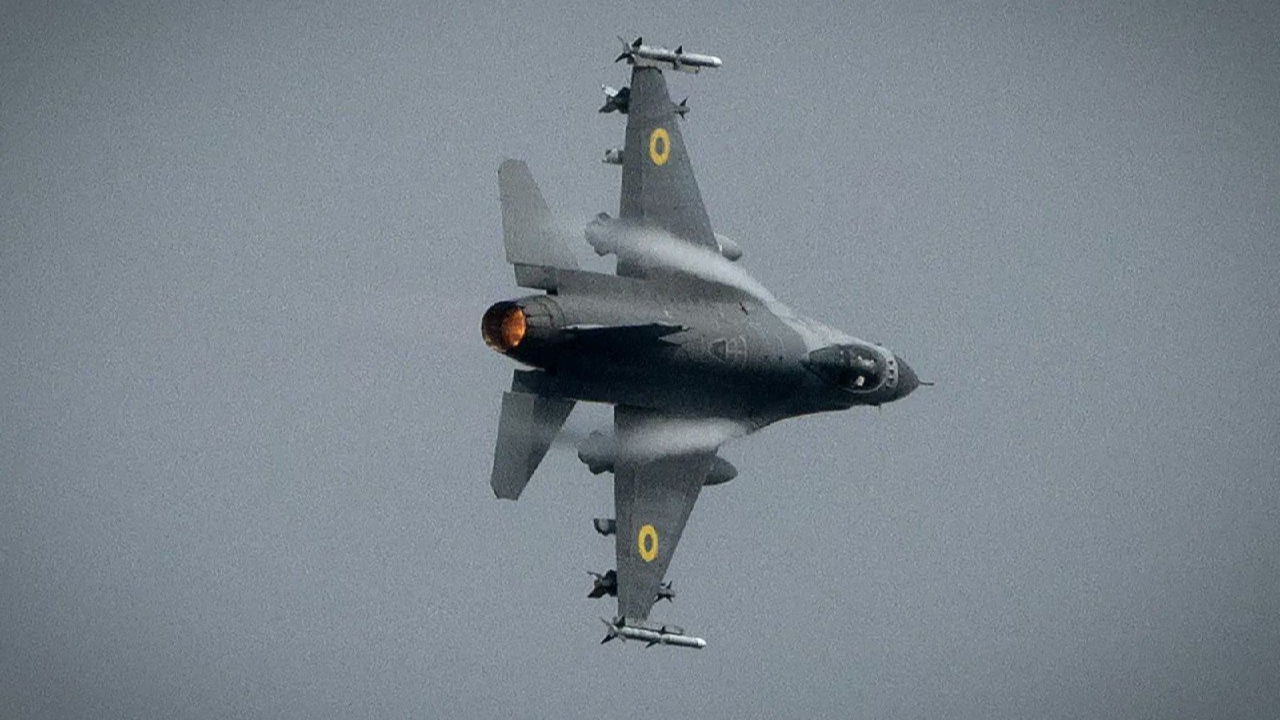
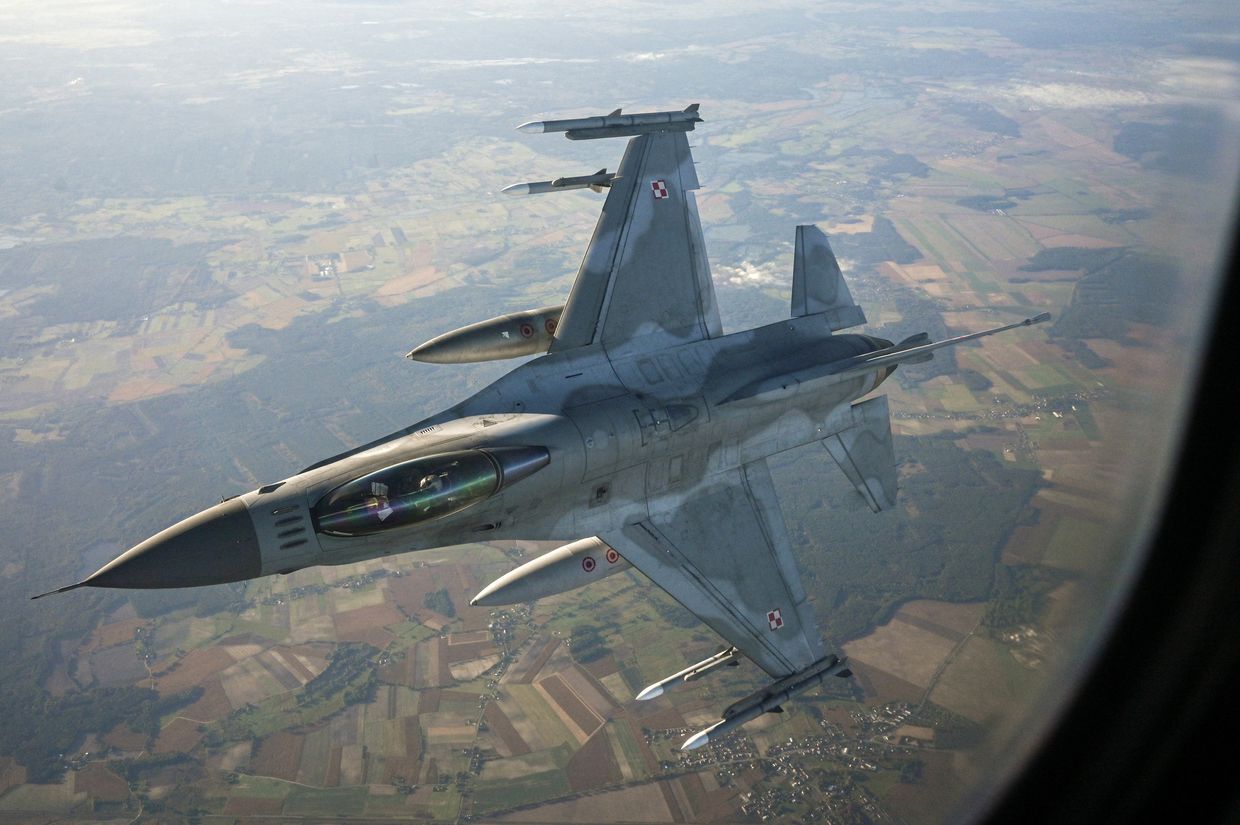
The airstrikes on Iran in February 2026 marked a pivotal escalation in regional tensions, initiating a series of military and diplomatic responses that continue to reverberate.[4][5] According to reports, these strikes were part of a broader U.S. strategy under President Trump aimed at applying maximum pressure on Iran.[2] Over the subsequent two months, this approach included sustained U.S. military strikes alongside a naval blockade, designed explicitly to force Iran into making nuclear concessions.[2] However, this intense campaign has not yielded the desired breakthrough, as Iran has maintained its stance without capitulating on nuclear issues.[2]
The context of these airstrikes extends to immediate regional fallout, with the February actions triggering rapid escalations across the Asia-Pacific region.[4][5] Relief efforts have noted that the strikes heightened vulnerabilities in multiple countries, straining existing systems.[4][5] The U.S. military's involvement underscores a policy of sustained pressure, but the lack of progress indicates the resilience of Iran's position amid ongoing hostilities.[2] Initial reports frame the strikes as a response to longstanding nuclear concerns, yet they have instead amplified economic and humanitarian strains without resolving core disputes.[2][4] This overview reveals how the airstrikes served as a catalyst, intertwining military actions with wider regional dynamics, where protection mechanisms are now under severe test.[5]
Detailed assessments from early 2026 emphasize the strikes' role in disrupting normal operations, particularly in Iran's industrial sectors, setting the stage for subsequent policy shifts like export restrictions.[1][2] The combination of aerial assaults and naval measures represents a comprehensive pressure tactic, yet Iran's refusal to concede on nuclear matters points to the limits of such strategies.[2] As the events progressed into Q1 2026, monitoring reports captured the strikes' expansive impact, affecting not just Iran but neighboring areas through heightened risks and resource strains.[4] This foundational event continues to shape diplomatic maneuvers and humanitarian responses, illustrating the complexity of conflict resolution in the region.[3][5]
Economic Impacts in Iran
Iran's decision to ban steel exports directly stems from war damage inflicted on its industry by the airstrikes, exacerbating an already precarious economic situation marked by sanctions and soaring inflation.[1] Steel production facilities were hit hard, leading to this prohibitive measure as a means to preserve domestic supply amid crippled output.[1] The ban reflects the immediate toll of the strikes on key industrial infrastructure, where production capacities have been severely compromised.[1]
Economic pressure in Iran has deepened under the weight of international sanctions, which predate the recent military actions but have been intensified by ongoing conflicts.[1] Inflation rates continue to rise, compounding the challenges posed by war damage and restricting Iran's ability to maintain export revenues.[1] Steel, a critical component of Iran's economy, now faces export restrictions to prioritize internal needs, signaling the gravity of the industrial disruptions caused by the strikes.[1] This policy shift underscores how military actions translate into tangible economic setbacks, limiting foreign exchange earnings and straining supply chains.[1]
The interplay between airstrike damage and broader economic woes illustrates a multifaceted crisis.[1] Sanctions have long constrained Iran's trade, but the recent strikes have accelerated industrial vulnerabilities, prompting the export ban as an emergency response.[1] Reports detail how production sites were targeted, directly impairing steel output and forcing reallocations of resources.[1] Inflation's upward trajectory further erodes purchasing power, making recovery efforts more daunting in the post-strike environment.[1] This economic fallout not only affects Iran's steel sector but also ripples through related industries, highlighting the strikes' role in amplifying pre-existing pressures.[1]
{IMAGE_2}
Diplomatic and Military Developments
Diplomatic channels remain active amid persistent military engagements, with the U.S. now reviewing Iran's latest ceasefire proposal.[3] President Trump convened with advisors on Monday to deliberate this offer, indicating a potential pivot in strategy following months of strikes and blockades.[2][3] This development occurs against the backdrop of continued Israeli strikes targeting southern Lebanon, which complicate broader de-escalation efforts.[3]
The ceasefire proposal from Iran represents a possible avenue for respite, though its viability is questioned given ongoing hostilities.[3] U.S. discussions signal an openness to negotiation, even as military pressures persist without achieving nuclear goals.[2][3] Israeli actions in southern Lebanon add layers of regional tension, intertwining Iran's situation with neighboring conflicts.[3] Trump's advisory meeting underscores the high-level attention to Iran's overture, potentially influencing future U.S. policy directions.[3]
Military developments continue to evolve, with the U.S. naval blockade and strikes maintaining pressure but falling short on key objectives.[2] The review process for the ceasefire highlights diplomatic intricacies, where proposals must navigate active combat zones.[3] Southern Lebanon's targeting by Israel exemplifies how interconnected fronts challenge singular resolutions.[3] These parallel tracks of diplomacy and military action define the current landscape, with Iran's proposal under scrutiny as a test of willingness to de-escalate.[3]
Humanitarian and Regional Effects
The February 2026 airstrikes on Iran have precipitated humanitarian challenges extending across the Asia-Pacific region, particularly straining gender-based violence (GBV) protection systems.[4][5] Countries including Afghanistan, Bangladesh, Iran, Myanmar, Pakistan, Philippines, and Sri Lanka are grappling with heightened GBV risks triggered by the escalation.[4][5] Fragile protection systems and service delivery mechanisms are under further duress in areas already facing multiple acute humanitarian issues.[4][5]
Regional overviews from Q1 2026 detail how the strikes rapidly amplified GBV exposure, overwhelming response capacities.[4][5] In Afghanistan and Pakistan, for instance, existing vulnerabilities have intensified, with service providers stretched thin.[4][5] The United Nations Population Fund and Gender Based Violence Area of Responsibility highlight this special release on Middle East escalation's ripple effects.[4][5] Iran's inclusion in the affected countries list points to direct impacts within its borders, alongside broader regional strains.[4]
These effects manifest in disrupted emergency services, where the airstrikes' fallout has diverted resources and heightened risks for vulnerable populations.[4][5] The Asia-Pacific's pre-existing crises compound the issue, making GBV prevention more challenging.[5] Reports urge attention to these dynamics, as strained systems struggle to cope with escalated demands.[4]
{IMAGE_3}
U.S. Military Strikes on Iran and Nuclear Objectives
U.S. efforts to squeeze Iran through maximum pressure have centered on military strikes and a naval blockade spanning two months, yet these have not forced the nuclear concessions President Trump seeks.[2] This sustained campaign, initiated around the February airstrikes, aimed at compelling Iran to alter its nuclear program but has failed to achieve a breakthrough.[2] The strategy's lack of success reveals the challenges in leveraging military might for diplomatic gains.[2]
Details from reports emphasize the intensity of the operations, with strikes targeting key assets and the blockade restricting maritime access.[2] Despite this, Iran has not yielded on nuclear issues, maintaining its position amid the pressures.[2] Trump's policy of maximum pressure continues, but the absence of concessions marks a strategic shortfall.[2] This context ties into broader regional escalations, where military actions intersect with economic and humanitarian fallout.[2][4]
The failure to secure nuclear progress underscores the limits of coercion in complex geopolitical arenas.[2] As strikes persist without the intended outcome, they contribute to ongoing tensions, influencing diplomatic reviews like the ceasefire proposal.[2][3]
Heightened Gender-Based Violence Risks in the Region
The airstrikes on Iran in February 2026 triggered a rapid escalation of gender-based violence risks throughout the Asia-Pacific, heightening exposure while overburdening protection systems.[4][5] This special update for Q1 2026 identifies multiple countries—Afghanistan, Bangladesh, Iran, Myanmar, Pakistan, Philippines, and Sri Lanka—as facing amplified threats.[4][5] Service delivery for GBV prevention and response is increasingly strained in these areas.[5]
Regional analyses note the strikes as a direct catalyst, exacerbating vulnerabilities in humanitarian hotspots.[4] Already acute challenges in the region are worsened, with protection frameworks pushed to their limits.[5] Sources from the Gender Based Violence Area of Responsibility and UNFPA provide this assessment, focusing on the Middle East escalation's wide-reaching impacts.[4] In countries like Afghanistan and Pakistan, the fallout manifests in greater risks for women and girls, amid resource shortages.[4][5]
This escalation demands coordinated responses, as the interconnected crises amplify GBV incidences.[5] The reports' emphasis on fragile systems highlights the urgent need for bolstered support in the post-strike environment.[4]
What to watch next: Observers should monitor the U.S. review of Iran's ceasefire proposal amid ongoing Israeli strikes in southern Lebanon,[3] the persistence of economic strains from the steel export ban and sanctions,[1] and updates on GBV risks in Asia-Pacific countries as protection systems face continued pressure.[4][5]