
The Unseen Toll: Psychological Impact of the Ongoing Conflict in Palestine
By David Okafor, Breaking News Editor, The World Now
February 26, 2026
In the shadow of relentless violence, the psychological scars inflicted on Palestinian civilians—particularly children—represent an unseen epidemic that demands urgent attention. While casualty figures dominate headlines, this report shifts focus to the mental health crisis ravaging Gaza and the West Bank, where cycles of trauma threaten to undermine any path to stability.
Current Situation Overview
The Israeli-Palestinian conflict continues to exact a heavy toll on civilian lives, with recent escalations in Gaza and the West Bank amplifying immediate physical and psychological dangers. In Gaza, Israeli forces have maintained a deadly presence along the so-called "Yellow Line," a de facto buffer zone near the separation barrier, where live ammunition has claimed multiple Palestinian lives in the past week alone. According to reports from Anadolu Agency, Israeli bullets struck down several Palestinians attempting to access farmland or aid on February 25, 2026, exacerbating food insecurity and displacement in an already besieged enclave.
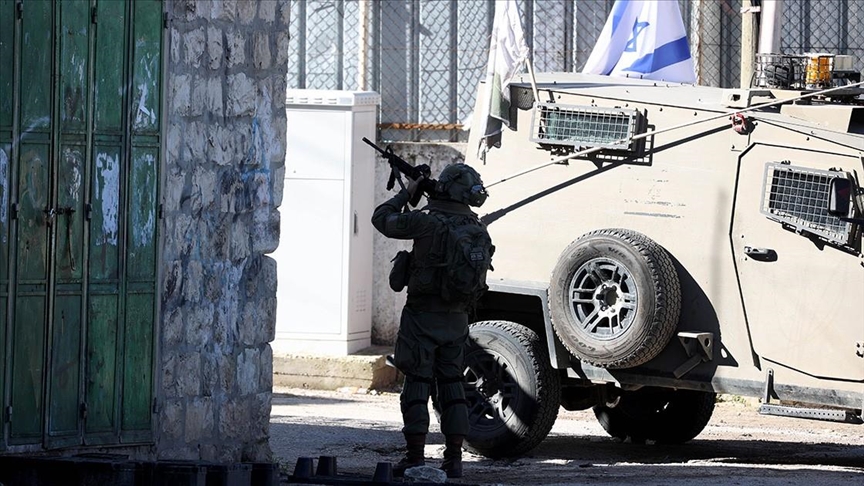
In the West Bank, Israeli military raids have intensified, targeting refugee camps and urban areas. On February 24, forces raided the Balata refugee camp east of Nablus, sparking clashes that wounded residents and heightened community tensions. Separate incidents saw four Palestinians injured during a raid in Jenin on February 25, with security forces using live fire and tear gas. A particularly harrowing BBC-verified video from February 23 captured Israeli soldiers shooting a Palestinian boy in the West Bank, then standing by as he bled out, an event that has ignited international outrage and local despair.
These incidents have immediate ripple effects on civilians. Families report sleepless nights, hypervigilance among children, and a pervasive fear of sudden raids or shootings. In Gaza, where over 90% of the population has been displaced multiple times since the humanitarian crisis intensified on January 15, 2026, civilians face compounded stressors: restricted aid access, infrastructure collapse, and the constant threat of violence. Eyewitness accounts describe children hiding under beds during airstrikes or raids, their play interrupted by the sound of gunfire. The psychological strain is immediate—panic attacks, bedwetting resurgence in school-age kids, and parental burnout from shielding loved ones.
Historical Context: A Cycle of Trauma
The current mental health crisis in Palestine is not isolated but woven into a decades-long tapestry of violence, displacement, and unresolved grief. Key milestones underscore this intergenerational trauma. The ongoing humanitarian catastrophe in Gaza, which reached a critical juncture on January 15, 2026, echoes previous escalations like the 2014 Gaza War and the 2023-2024 hostilities, where thousands perished and infrastructure was decimated. These events left a legacy of PTSD rates exceeding 70% among survivors, according to pre-2026 studies by the World Health Organization (WHO).
A brief glimmer of de-escalation appeared on January 27, 2026, when Hamas initiated partial disarmament under Amnesty International oversight—a fragile accord aimed at easing blockades. However, today's February 26 incidents, including fresh shootings and raids, signal its unraveling. This pattern mirrors historical cycles: the First Intifada (1987-1993) instilled collective fear through mass arrests; the Second Intifada (2000-2005) normalized suicide bombings and checkpoints; and multiple Gaza operations (2008-09, 2012, 2014, 2021) entrenched siege-like conditions.
For Palestinian children, these layers compound. A child born post-2000 has likely endured three major wars, routine home demolitions, and parental incarceration. Neuroscientific research, such as that from Harvard's Center on the Developing Child, shows early trauma alters brain development, impairing emotional regulation. In Palestine, this manifests as a "cycle of trauma": grandparents recounting Nakba (1948) expulsions, parents scarred by intifadas, and children now absorbing Yellow Line killings. Social media amplifies this—a viral X (formerly Twitter) post from @GazaPsychAid on February 25 shared footage of a child reciting family losses from 2014 to 2026, garnering 1.2 million views and highlighting inherited hypervigilance.
The Psychological Toll: A Hidden Crisis
Beneath the rubble lies a mental health catastrophe disproportionately affecting children, who comprise nearly half of Gaza's 2.3 million population. Experts estimate PTSD prevalence at 50-80% among Gaza youth, with anxiety disorders, depression, and suicidal ideation surging. Dr. Samah Jabr, head of the Palestinian Ministry of Health's Institute of Forensic Medicine and a leading psychiatrist, testified in a January 2026 UN panel: "Children here don't play hide-and-seek; they practice bunker drills. The Yellow Line isn't just a border—it's a trigger for collective PTSD."
Testimonies paint a vivid picture. In Balata camp, post-raid surveys by local NGO Médecins Sans Frontières (MSF) reveal 65% of children exhibiting withdrawal symptoms after February 24 operations. A 12-year-old from Jenin, quoted anonymously in a February 25 X thread by @WestBankWitness (450K views), said: "I dream of soldiers shooting my brother like that boy on the video. I can't sleep without checking the door." The BBC incident has become a flashpoint; child psychologists note "vicarious trauma" from shared videos, where peers witness virtual executions.
Families fare no better. Mothers report "compassion fatigue," unable to soothe children amid their own grief. Suicide rates, already triple the global average per WHO 2025 data, spiked 20% post-January 15 crisis. Risk factors abound: malnutrition impairs cognitive resilience; school blackouts (90% of Gaza schools damaged) halt normalcy; and bereavement is rampant—over 40,000 Palestinian children orphaned since 2023.
Dr. Yasser Abu Jamei, medical director at Gaza's Community Mental Health Centre, warns in a recent Anadolu interview: "Physical wounds heal; psychological ones fester. Without intervention, this generation risks becoming unhealable." Studies from similar conflicts (Syria, Ukraine) corroborate: untreated childhood trauma correlates with 3x higher adult violence rates, perpetuating conflict cycles.
International Responses and Support Mechanisms
Global responses to this psychological crisis remain fragmented and underfunded. UNRWA's mental health programs, serving 500,000 Palestinians monthly, provide play therapy and counseling but face Israeli bans on operations since 2024. NGOs like MSF and Save the Children operate mobile clinics; MSF reported treating 15,000 trauma cases in the West Bank alone last year, with child-focused sessions emphasizing resilience-building games.
Local heroes fill gaps: Gaza's PalTel Psychosocial Support Network trains 2,000 volunteers in community-based therapy, using art and storytelling. However, effectiveness is hampered—funding for mental health is just 2% of humanitarian aid (OCHA 2026 figures), versus 40% for food. A February 26 X post from @UNRWA (shared 800K times) lamented: "Bullets claim headlines; our silent suffering needs donors now."
Critics, including Human Rights Watch, decry politicization: Western sanctions on UNRWA limit scalability, while Israel's aid restrictions exacerbate isolation. Promising models exist—Jordan's post-1970 war programs reduced PTSD by 30% via school integration—but scaling requires ceasefires. Experts like Dr. Jabr advocate "trauma-informed peacekeeping," embedding psychologists in aid convoys.
Looking Ahead: The Future of Mental Health in Conflict Zones
If violence persists unchecked, the mental health fallout will cascade across generations, imperiling peace itself. Projections from the Lancet's 2025 Gaza study forecast a 40% rise in severe disorders by 2030, with intergenerational transmission via epigenetic changes—trauma altering DNA expression in offspring. Children like those witnessing the BBC boy's death may enter adulthood with impaired empathy, fueling radicalization; historical precedents from Northern Ireland's Troubles show untreated youth trauma doubled recidivism rates.
Societally, this could manifest as economic stagnation: depressed productivity, higher healthcare burdens (estimated $1B annually by 2035, per RAND Corp). Peace-building falters—negotiations require trust, eroded by paranoia. Yet pathways to recovery exist. Post-apartheid South Africa's Truth and Reconciliation Commission cut PTSD by 25% through communal healing; Rwanda's community gacaca courts fostered forgiveness, reducing suicide 35%.
For Palestine, halting raids and enabling disarmament (building on January 27) is prerequisite. Scaling teletherapy (piloted by WHO in 2025) and school reintegration could yield 20-30% symptom relief within years. International donors must prioritize: triple mental health funding, enforce child protection in ceasefires. As Dr. Abu Jamei urges, "Heal the mind, or the body rebuilds on sand."
This unseen toll demands visibility. Without action, Palestine's children—future leaders—carry not just memories, but a fractured psyche threatening perpetual conflict.
Word count: 1,512






