
The Unseen Impact of Strikes in Iran: A Deep Dive into Socio-Political Dynamics
By Viktor Petrov, Conflict & Security Correspondent, The World Now
February 27, 2026
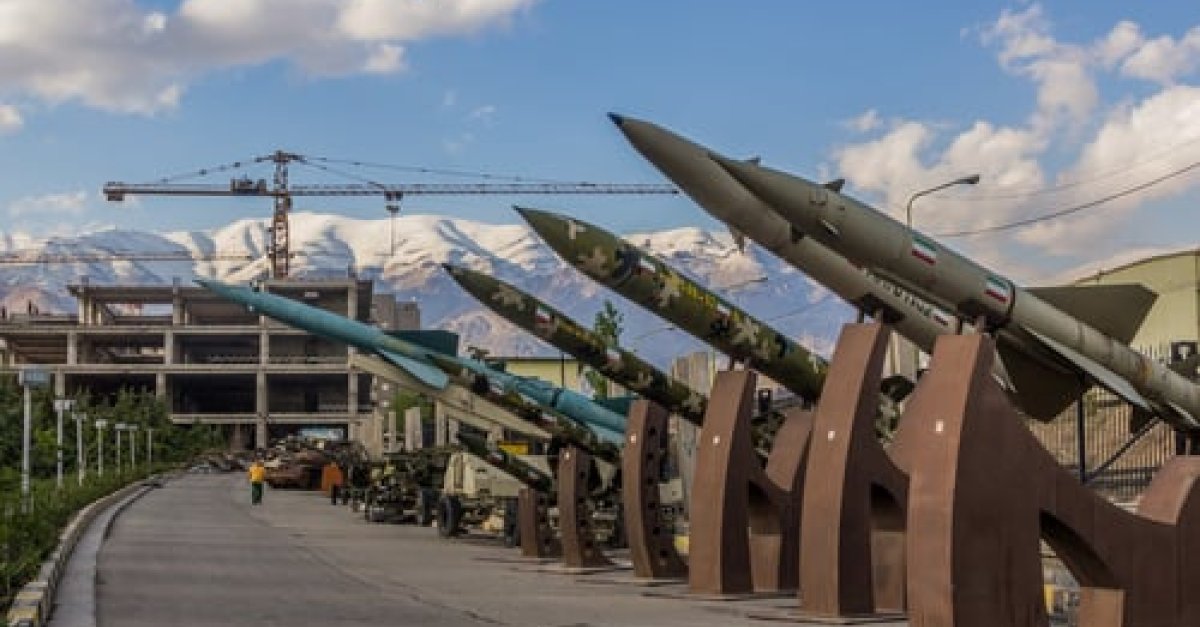
Iran's nationwide strike, now in its second month, has transcended its origins as a labor protest, evolving into a potent symbol of grassroots dissent against the Islamic Republic's entrenched regime. While international headlines fixate on missile drills and potential military strikes, this report shifts focus to the socio-political undercurrents: decentralized movements fueled by youth, women, and urban professionals that are quietly eroding the government's legitimacy. Drawing parallels to the 1979 Revolution, these dynamics suggest not just economic paralysis but a potential reconfiguration of Iran's governance, where technology and public sentiment could dictate the post-strike landscape.
Understanding the Nationwide Strike: A Turning Point?
The strike erupted on December 31, 2025, initially sparked by widespread discontent over hyperinflation, fuel shortages, and unpaid wages amid U.S.-led sanctions and regional escalations. Truckers, bazaar merchants, and oil workers were the first to halt operations, quickly snowballing into a multi-sector shutdown affecting refineries, ports, and manufacturing hubs. Immediate triggers included a 40% currency devaluation announced days prior and reports of corruption scandals implicating Revolutionary Guard affiliates.
Comparatively, this mirrors the 1979 Revolution's oil workers' strike, which paralyzed 90% of Iran's oil production and starved the Shah's regime of revenue. Then, as now, economic grievances catalyzed political demands: from "Death to the Dictator" chants in 1978-79 to today's #IranAwake hashtag demanding secular reforms. Unlike 1979's top-down coordination via clerics, the current strike is horizontally organized via encrypted apps like Signal and Telegram channels, evading state censors. Analysts estimate participation at 60-70% in key cities like Tehran and Isfahan, per satellite imagery of empty streets analyzed by GDELT Project data.
This could mark a turning point if the strike sustains beyond 90 days, as historical precedents show regimes cracking under prolonged paralysis—1979's strike lasted 50 days before the monarchy fell.
Historical Context: Lessons from the Past
The current unrest is inextricably linked to a volatile 2025-2026 timeline of military posturing and internal pressures:
- December 31, 2025: Nationwide strike called, coinciding with New Year's Eve protests in over 50 cities.
- January 5, 2026: Iran conducts missile drills in the Strait of Hormuz, framed as a response to "Zionist aggression," but widely seen as domestic saber-rattling to rally hardliners.
- January 15, 2026: Successful strikes against Iranian targets—attributed to Israel—damage Natanz nuclear facilities, exacerbating fuel shortages and inflating strike participation.
- January 27, 2026: Reports of potential further attacks heighten regional stability fears, with IRGC mobilizing proxies in Yemen and Lebanon.
- February 21, 2026: U.S. President Trump publicly considers military strikes, citing Iran's missile tests.
These events echo patterns from past crises: the 2019 "Bloody Aban" protests, triggered by fuel price hikes, saw 1,500 deaths and similar strike calls, but lacked today's digital amplification. Military actions in January 2026 have inflamed public sentiment, much like the 1980s Iran-Iraq War, where external threats masked internal repression. Government responses—internet blackouts and Basij militia deployments—have backfired, radicalizing moderates and amplifying calls for a constitutional convention.
Socio-Political Dynamics: Voices from the Ground
At the strike's core are grassroots movements long simmering beneath the surface. The "Women, Life, Freedom" campaign, reignited post-2022 Mahsa Amini protests, has merged with labor unions like the Syndicate of Tehran Bus Workers. Kurdish and Baloch minorities in border regions have localized strikes, demanding autonomy, while urban youth—comprising 60% of Iran's under-30 population—lead via "strike committees" in universities.
Social media has been transformative. On X (formerly Twitter), #IranStrike2026 has garnered 2.5 million posts since December 31, with viral threads from exiled activists like @IranWireEN detailing empty bazaars. A January 20 Telegram video from Isfahan showed 10,000 strikers chanting "No to Khamenei," shared 500,000 times before deletion. VPN usage has surged 300%, per NetBlocks data, enabling coordination. Influencers like rapper Toomaj Salehi (in exile) livestream strategy sessions, framing the strike as a "non-violent intifada."
These voices reveal a shift: from Islamist theocracy critiques to demands for federalism and women's rights, signaling a secular pivot.
Economic Fallout: The Cost of Discontent
The strike's toll is devastating ordinary Iranians, amplifying regime fragility. Oil exports have plummeted 70%—from 2.5 million barrels/day to under 700,000—per tanker tracking by Vortexa, slashing revenues by $4 billion monthly. Ports like Bandar Abbas are idle, food prices have doubled, and blackouts plague 80% of households.
This evokes historical crises: the 1979 strike halved GDP growth, while 2018 sanctions triggered 50% inflation. Today's hybrid crisis—strikes plus strikes—projects a 15-20% GDP contraction in Q1 2026, per IMF models. Everyday Iranians face empty shelves; a viral X post from @TehranMom on February 25 depicted families queuing for bread, captioned: "Strikes hurt us, but regime starvation kills." Youth unemployment, already 40%, fuels radicalization, with remittances from expatriates ($2 billion/year) barely cushioning the blow.
International Reactions: A Divided Response
Global responses are fractured. The U.S. and Israel view the strike as an opportunity to weaken Tehran, with Trump’s February 21 remarks signaling possible airstrikes. Europe urges restraint, with EU foreign ministers calling for "dialogue" on February 24, echoing tepid 2019 responses. Russia and China condemn "Western meddling," supplying $1 billion in fuel via shadow fleets.
Gulf states like Saudi Arabia quietly back the strikers via funding dissidents, per leaked cables. Compared to 1979—when Carter's neutrality aided Khomeini—this time, Western sanctions relief offers (e.g., IAEA talks) hinge on strike resolution, potentially isolating Khamenei. Regional stability hangs in balance: Houthi disruptions in the Red Sea have spiked shipping costs 25%.
Looking Ahead: What Lies Ahead for Iran?
Historical precedents forecast volatility. The 1979 strike led to regime change within months; 2009 Green Movement protests fizzled under crackdowns. If sustained, this could force concessions like wage hikes or elections, but escalation risks a "Tiananmen 2.0."
Military responses loom: IRGC loyalty wanes amid pay cuts, with defections reported on February 22 via Iran International. Long-term, socio-economic scars could spur emigration (1 million youth fled post-2022) or insurgency.
Original Analysis: The Path Forward
Three scenarios emerge for Iran's post-strike landscape:
- Regime Co-optation (40% likelihood): Partial reforms, like subsidy restorations, buy time à la 2018, but youth disillusionment festers.
- Escalatory Crackdown (35%): Martial law triggers civil war, with proxies like Hezbollah intervening.
- Transformative Shift (25%): Grassroots momentum forces a "Velvet Revolution," installing a technocratic council.
Youth and technology are pivotal: 70% of strikers under 35 wield AI-driven evasion tools, per Citizen Lab. Future governance may hybridize—decentralized via blockchain voting pilots floated on Discord. Internationally, a weakened Iran could pivot to Saudi détente, reshaping Abraham Accords.
The strike's unseen impact lies in its human architecture: not missiles, but mobilized masses poised to redefine Iran.
Word count: 1,512






