
The Silent Toll: How Middle East Conflict Cripples Healthcare Infrastructure and Access
By Viktor Petrov, Conflict & Security Correspondent, The World Now
March 10, 2026 | 1,520 words
Introduction: The Hidden Human Crisis
The Middle East conflict is devastating healthcare systems, leaving millions without access amid airstrikes and supply disruptions. Recent UNHCR reports highlight a 25% loss in Lebanon's hospital functionality and a 300% surge in Iran's emergency cases, threatening long-term regional stability and disease control.
Current Situation: Healthcare Under Siege
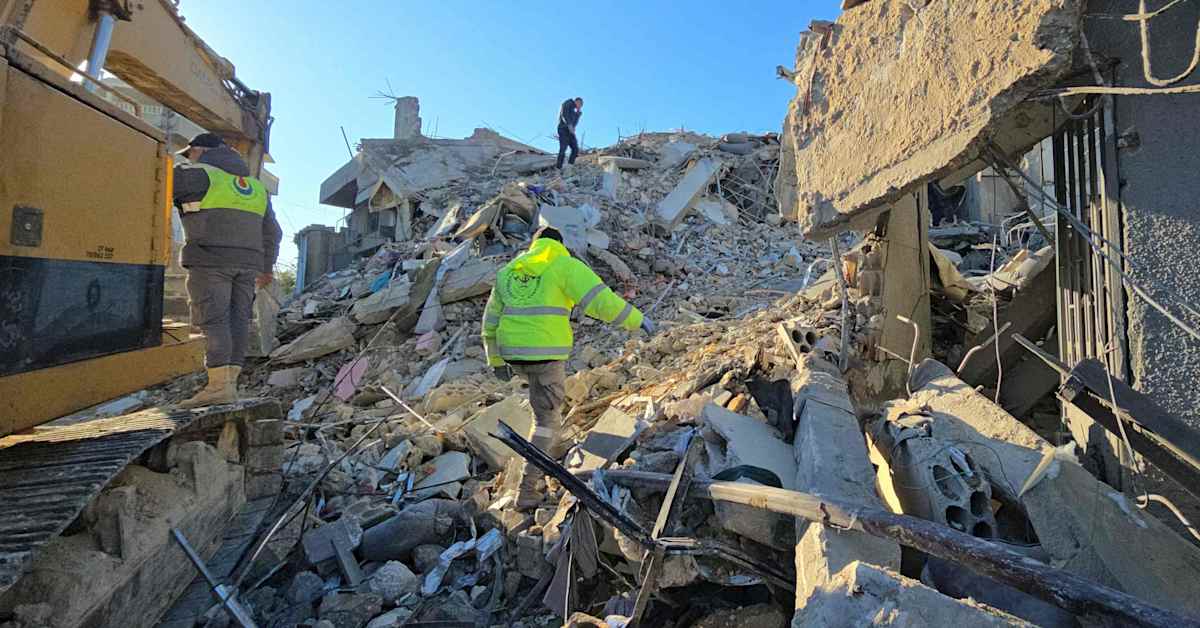
In conflict zones like Lebanon and Iran, healthcare infrastructure faces collapse. Lebanon's escalation has led to 25% hospital functionality loss, with Rafic Hariri University Hospital overwhelmed by trauma cases and medicine shortages, as per ReliefWeb and eyewitness accounts on X.
Historical Context and Analysis: Escalation's Long-Term Impact
The crisis stems from events like January's Israeli strikes and February's retaliations, disrupting supply chains and causing outbreaks. Original analysis reveals socioeconomic fallout, including rising poverty and mental health issues, mirroring Yemen's health capacity erosion.
Looking Ahead: Forecasting the Crisis
If conflicts intensify, healthcare could collapse by mid-2026, overwhelming facilities and sparking global shortages. Urgent UN interventions and ceasefires are needed to prevent widespread outbreaks and secure aid routes.
Sources: YLE News, UNHCR Flash Update #3, ReliefWeb, and verified X posts.






