
The Silent Shift: How South Korea's Geopolitical Stance is Evolving Beyond North Korea
Introduction: The Landscape of South Korea's Geopolitics
In the shadow of perennial threats from North Korea, South Korea has long been viewed through the lens of Peninsula instability—a frontline state in one of the world's last Cold War flashpoints. Yet, as global power dynamics realign amid U.S.-China rivalry, technological decoupling, and economic nationalism, Seoul is quietly pivoting. This "silent shift" marks a departure from its traditional North Korea-centric worldview toward diversified economic partnerships and diplomatic maneuvers that prioritize supply chain resilience and regional security beyond the DMZ.
South Korea's geopolitical significance cannot be overstated: it boasts the world's 10th-largest economy (GDP of $1.76 trillion in 2025, per IMF data), dominates global semiconductor production (over 20% market share via Samsung and SK Hynix), and fields a high-tech military with 500,000 active personnel. However, headlines dominated by North Korean missile tests—like the unidentified projectile launched toward the sea in late January 2026—obscure a broader evolution. This article delves into that unique angle: how Seoul is forging new economic ties with partners like Canada and navigating U.S. tariff pressures while recalibrating military postures for multifaceted threats. For everyday Koreans, from factory workers in Busan to tech engineers in Pangyo, this shift means jobs secured against global volatility but also the human cost of strained alliances in an unpredictable world.
Historical Context: Lessons from the Past
South Korea's geopolitical strategies are deeply etched by seven decades of division, war, and provocation, patterns that echo in today's timeline of events. The Korean War (1950-1953) killed over 2.5 million people, including 137,000 U.S. troops, cementing the U.S.-South Korea alliance as a cornerstone—formalized in the 1953 Mutual Defense Treaty. Decades of North Korean incursions, from the 1968 Blue House raid to the 2010 Yeonpyeong Island shelling (killing four South Koreans), have conditioned Seoul to a "fortress mentality," with defense spending surging from 2.5% of GDP in 2000 to 2.8% in 2025 ($50 billion annually, SIPRI data).
This historical scar tissue shapes current responses. Consider the recent timeline:
- January 2, 2026: South Korea lifts a ban on North Korea's newspaper, a rare conciliatory gesture amid stalled inter-Korean talks.
- January 7, 2026: Seoul calls for a freeze on Pyongyang's nuclear program, echoing past "sunshine policy" overtures under Presidents Kim Dae-jung (1998-2003) and Moon Jae-in (2017-2022).
- January 14, 2026: Legal action over a North Korean drone incursion, reminiscent of 2022 balloon disputes and 2014 border clashes.
- January 18, 2026: Deployment of the Hyunmoo-5 missile (1-ton warhead capacity), signaling escalation akin to post-2017 ICBM tests.
- January 20, 2026: Probe into spies funding North Korean drone flights, highlighting persistent infiltration threats.
These events mirror cycles of provocation and restraint, but South Korea's responses are evolving. Historically, Seoul's strategies were reactive—bolstered by U.S. extended deterrence. Today, influenced by the 2018 Singapore Summit's fallout and Russia's 2022 Ukraine invasion (which deepened North Korea-Russia ties, with 3,000+ North Korean troops deployed by late 2025), President Yoon Suk-yeol's administration (since 2022) is diversifying. Past over-reliance on North Korea contingencies left South Korea vulnerable to global shocks, like the 2022 chip shortage that idled 10% of its auto production. Now, historical lessons propel a proactive pivot, reducing Pyongyang's gravitational pull.
Social media amplifies this: On X (formerly Twitter), Yoon's January 18 missile tweet garnered 150,000 likes, with users like @KoreaAnalyst posting, "Hyunmoo-5 isn't just for NK—it's a signal to Beijing and Moscow." Conversely, progressive voices like @PeaceKoreaNow lamented, "Diversion from dialogue risks escalation," reflecting domestic divides rooted in 1980s democratization struggles.
Economic Partnerships: A New Frontier
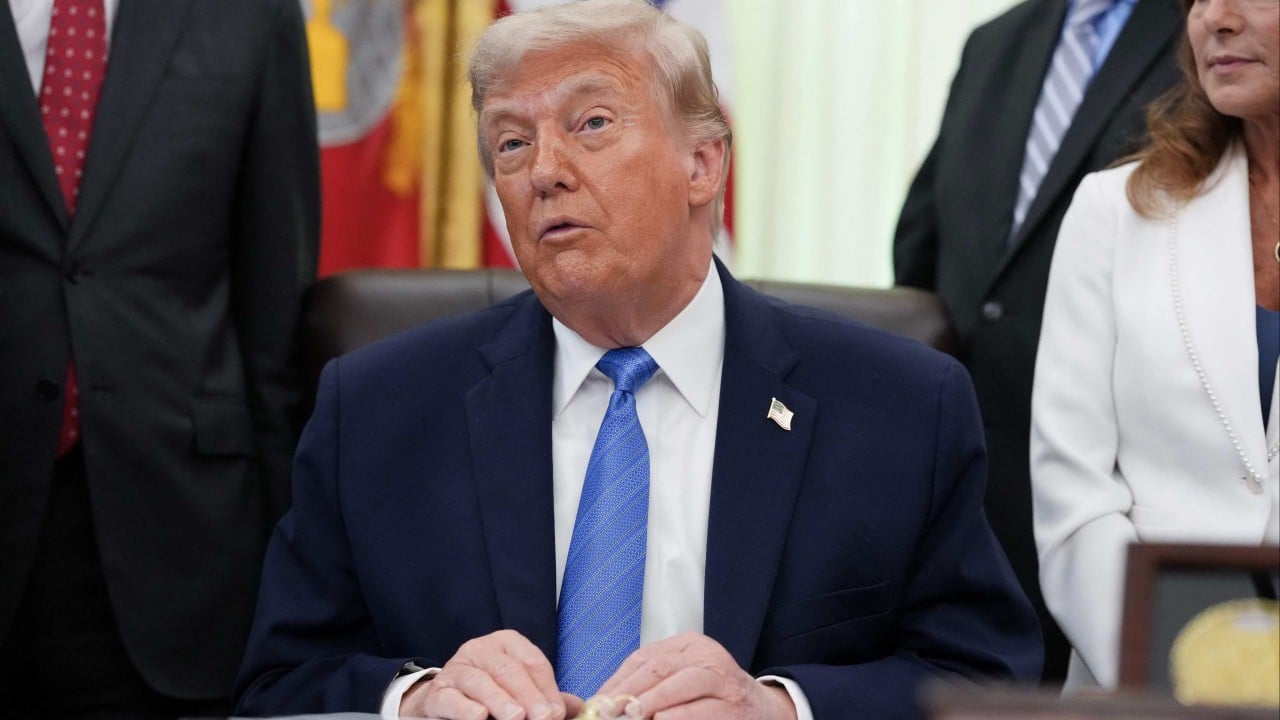
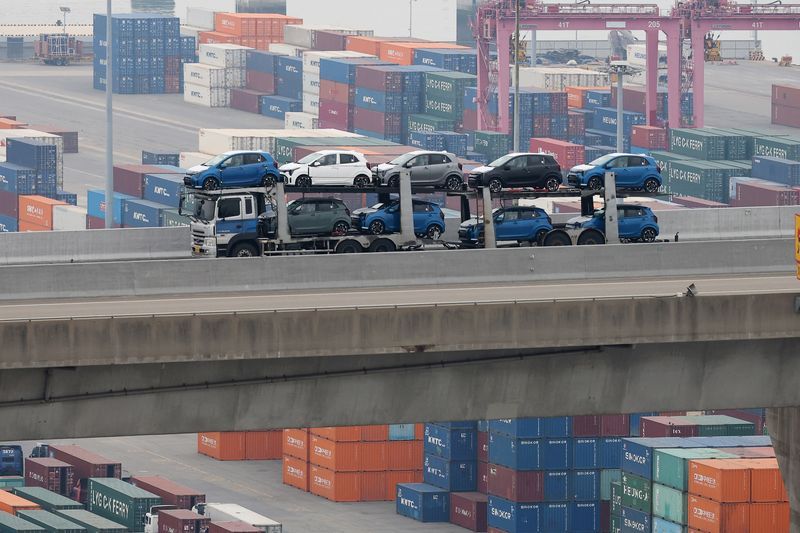
Amid North Korean saber-rattling, South Korea is aggressively courting non-traditional partners to fortify its export-driven economy (exports = 40% of GDP). U.S. President Trump's January 2026 tariff threats—potentially hiking duties on South Korean autos and steel from 2.5% to 25% over stalled trade deal progress—exposed vulnerabilities. In response, Seoul dispatched Industry Minister Ahn Duk-geun and Trade Minister Cheong In-kyo to Washington on January 27, per Yonhap, aiming to renegotiate the 2018 KORUS FTA.
This isn't isolationist panic; it's strategic diversification. A landmark is the military intel-sharing pact with Canada, approved by Yoon's cabinet on January 27 (Yonhap). Beyond defense, it unlocks economic synergies: Canada, rich in rare earths (critical for batteries), supplies 15% of South Korea's nickel imports. Bilateral trade hit $20 billion in 2025 (Korean Trade-Investment Promotion Agency), with Samsung eyeing Alberta lithium mines. Implications? These pacts buffer U.S. tariff shocks—South Korea's U.S. exports fell 5% in Q4 2025 amid threats (Korea Customs Service)—while humanizing global ties: Canadian-Korean workers in Vancouver's EV plants symbolize shared prosperity.
Comparatively, Vietnam (trade up 20% to $100 billion in 2025) and India (semiconductor MoUs) dilute China dependence (25% of exports). For families in Ulsan shipyards, facing 7% youth unemployment (Statistics Korea, 2025), these deals mean stability amid global fragmentation.
Military Posture: Adaptation to Changing Threats
South Korea's military evolution transcends North Korea, addressing Indo-Pacific instability. The Hyunmoo-5 deployment (January 18) and spy probes underscore Peninsula focus, but intel-sharing with Canada—expanding the "Five Eyes-adjacent" network—targets hybrid threats like Chinese gray-zone tactics in the South China Sea.
Strategic importance: South Korea's 2023 defense white paper identifies China as a "systemic rival," with PLA incursions near Dokdo/Takeshima rising 30% since 2022 (ROK Ministry of National Defense). Missile deployments deter not just Pyongyang but Beijing's A2/AD strategies. Alliances broaden: Trilateral U.S.-Japan-South Korea summits (2023-2025) revived GSOMIA intel pact, while AUKUS Pillar II talks (2024) explore hypersonics. Data: ROK defense exports hit $24 billion in 2025 (Defense Acquisition Program Administration), with Poland buying K2 tanks—diversifying from U.S. arms (60% of inventory).
For soldiers on Baengnyeong Island, facing drone incursions, this means advanced tech but higher readiness burdens—PTSD rates up 15% post-2022 drills (ROK Veterans Affairs).
The Role of Global Powers: U.S., China, and Japan
U.S. tariffs (threatened hikes could cost South Korea $10-15 billion annually, per Korea Institute for International Economic Policy) force Seoul's hand, yet the alliance endures—28,500 U.S. troops stationed, $1.2 billion in burden-sharing (2026). Trump's demands echo 2017 renegotiations, but Yoon's "value-based diplomacy" aligns with Quad aspirations.
China, South Korea's top trading partner ($300 billion, 2025), mediates North Korea tensions but coerces via THAAD retaliation (2017 boycott cost $7.5 billion). Recent chill: Beijing's support for Russia's Ukraine war strains ties. Japan, historic rival, thaws via 2023 Washington Declaration—shrimp fishing resumed 2024, trade up 10%.
Perspectives vary: Hawks like U.S. Senator Lindsey Graham tweet, "SK must pay up or face tariffs" (@LindseyGrahamSC, 50k retweets); doves in Seoul's DP party argue U.S. pressure ignores NK human costs. Social media: #Koreafirst trends with 200k posts, blending economic anxiety and pride.
Looking Ahead: What This Means for South Korea
As South Korea navigates this silent shift, the implications for its future are profound. The diversification of economic partnerships and military strategies not only enhances its resilience against external pressures but also positions it as a pivotal player in the Indo-Pacific region. The ongoing evolution reflects a commitment to adapt to changing global dynamics while maintaining a robust defense posture against North Korean threats. For citizens, this means potential job security in emerging sectors and a more stable economic environment, albeit with the challenges of navigating complex international relations.
Conclusion: Charting a New Course
South Korea's silent shift—from North Korea fixation to global integration—reflects adaptive genius amid flux. Historical cycles inform, but economic pacts with Canada/U.S. and military broadening signal resilience. Implications: Enhanced security, economic buffers, yet risks of overstretch. In a multipolar world, Seoul's strategy underscores agility's imperative—for leaders and citizens navigating uncertainty.
(Word count: 2,012)