The Shifting Sands of Aleppo: Analyzing the Kurdish Withdrawal and Its Implications for Syria's Future

Latest from X
The Shifting Sands of Aleppo: Analyzing the Kurdish Withdrawal and Its Implications for Syria's Future
By The World Now Conflict/Crisis Analysis Team
January 11, 2026
Current Situation in Aleppo: An Overview
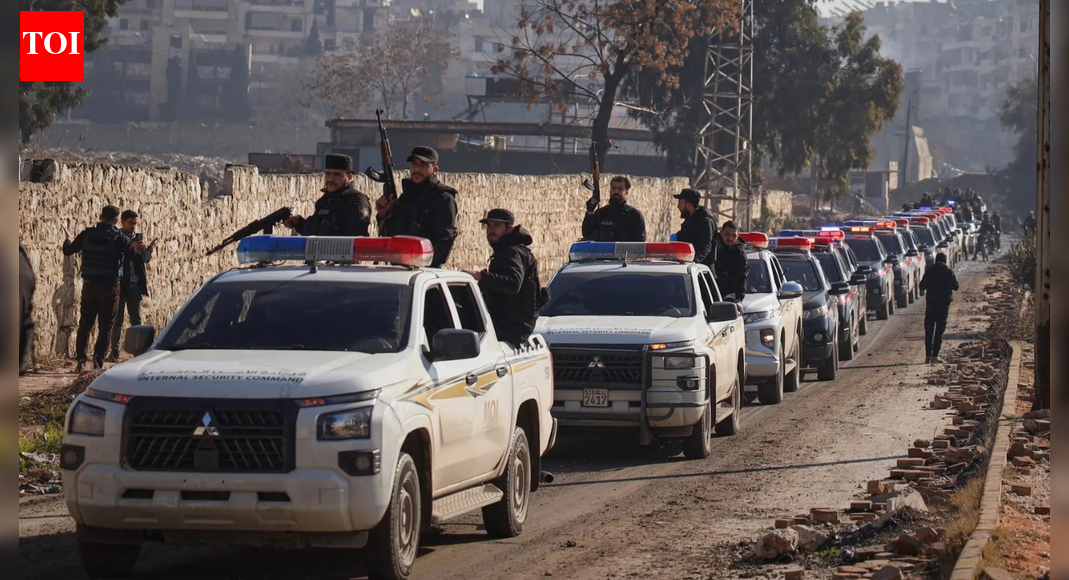
In the Sheikh Maqsoud neighborhood of Aleppo, a predominantly Kurdish enclave, the Syrian Democratic Forces (SDF)—led by the People's Protection Units (YPG)—have completed a phased withdrawal following days of intense clashes with Syrian government forces. This withdrawal, agreed upon after deadly fighting that began earlier this month, marks a significant shift in control over this strategic urban district. Reports indicate that the last groups of SDF fighters evacuated the area on January 10, using buses provided by the Syrian government, transitioning security responsibilities to local Asayish forces under the Autonomous Administration of North and East Syria, with no presence allowed for Hay'at Tahrir al-Sham (HTS) factions.
Immediate effects on civilians have been profound. Clashes displaced tens of thousands, with humanitarian agencies estimating over 180,000 people affected in the initial waves. A government-extended truce facilitated civilian evacuations via safe corridors, though posts on X describe chaotic scenes reminiscent of the civil war's darkest days, with heavy weapons fire targeting residential areas. Syrian authorities report detaining around 300 Kurds, framing the operation as counter-terrorism against YPG/SDF, labeled as terrorist groups by Turkey. Aleppo's governor has since declared a return to "security and stability," with streets cleared of militants. However, local sentiment, as reflected in social media, remains tense, with concerns over governance vacuums and potential reprisals.
This withdrawal is not an outright surrender but a tactical redeployment, preserving Kurdish self-governance models elsewhere while ceding ground in Aleppo. Civilian impacts extend beyond displacement: schools and markets in Sheikh Maqsoud remain shuttered, and aid convoys are scaling up to address food and medical shortages.
Historical Context: The Kurdish Struggle in Syria
The Kurdish quest for autonomy in Syria traces back to the 2011 civil war, when Bashar al-Assad's forces withdrew from northeastern regions, allowing the Democratic Union Party (PYD) and YPG to establish the Autonomous Administration of North and East Syria (AANES). Sheikh Maqsoud became a Kurdish stronghold in Aleppo by 2014, serving as a northern bulwark amid battles against ISIS and other rebels.
Key events escalated tensions leading here. On December 31, 2025, U.S. forces targeted ISIS remnants in Syria, bolstering SDF morale but straining relations with a post-Assad interim government in Damascus seeking national unification. That same day, a suicide bombing in Aleppo and curfews in Latakia signaled rising instability. By January 7, 2026, Syrian Army advances targeted SDF positions in Aleppo after stalled integration talks, erupting into clashes by January 8 that forced mass displacements.
Previous alliances fractured this dynamic: SDF partnered with the U.S. against ISIS, capturing Raqqa in 2017, but faced Turkish incursions like Operation Olive Branch in 2018, displacing Kurds from Afrin. Social media wars in March 2025 highlighted calm in Sheikh Maqsoud amid YPG-SNA (Syrian National Army) rhetoric. October 2025 posts warned of attacks on civilians by Damascus-affiliated factions. The current withdrawal echoes a partial pullback announced in April 2025, underscoring a pattern of phased retreats to consolidate defenses elsewhere.
This timeline illustrates Syria's fragmented landscape: from ISIS caliphate threats to proxy entanglements, culminating in today's governance tug-of-war.
The Role of External Powers: U.S. and Regional Dynamics
U.S. involvement remains pivotal yet waning. Since 2015, American forces embedded with SDF have provided air support and training, viewing YPG as indispensable against ISIS resurgence—evident in late 2025 strikes. However, with a transitional Syrian government consolidating power post-Assad, Washington faces pressure to recalibrate. SDF integration into national forces was a non-starter for Kurds fearing marginalization, fueling January clashes. U.S. silence on the withdrawal suggests tacit acceptance, prioritizing counter-ISIS over territorial disputes.
Turkey's influence looms largest, designating YPG as PKK extensions—a terrorist threat. Ankara backs SNA offensives and pressures Damascus to neutralize Kurdish pockets like Sheikh Maqsoud, aligning with its border security goals. Posts on X from January 10 highlight Turkish media celebrating the area as "cleansed of YPG terror," amplifying narratives of stabilization.
Iran, Assad's erstwhile patron, plays a subtler role through proxies, but its sway has diminished in a Sunni-leaning interim government. Russia, once a guarantor of ceasefires, brokers talks but prioritizes its bases. These dynamics exacerbate local fractures: Turkish drones patrol skies, while U.S. hesitation signals potential SDF isolation, reshaping Aleppo's power balance toward Damascus-Ankara alignment.
Community Impact: Voices from Aleppo
The human toll in Sheikh Maqsoud underscores the socio-political ramifications. Humanitarian flash updates detail over 40 casualties, including civilians, with dense urban fighting—home to 40,000-60,000 residents—amplifying trauma. ReliefWeb reports from January 10 note overwhelmed shelters and disrupted services, with 300,000 civilians potentially at risk per unverified social media claims.
Anecdotes from residents, echoed in X posts, paint a divided picture. One Kurdish civilian described "brutal attacks with heavy weapons" on peaceful neighborhoods, evoking war's return and fostering resentment toward Damascus factions. Conversely, pro-government voices hail the withdrawal as liberation from "PKK saboteurs," with locals driving through streets to affirm calm. A resident interviewed via Anadolu Agency expressed relief at returning stability, though wary of factional reprisals.
Community sentiment splits along ethnic lines: Kurds view SDF as protectors of autonomy, crediting them for past ISIS defenses, while Arab majorities in Aleppo resent perceived separatism. Women and children, per aid reports, bear disproportionate burdens—lost livelihoods, psychological scars. Posts on X urge verification of claims like mass detentions, reflecting distrust in official narratives. This polarization hampers reconciliation, risking long-term social cohesion as governance transitions expose underlying grievances.
Future Governance in Aleppo: What Lies Ahead?
Post-withdrawal, Aleppo faces a governance pivot from Kurdish-led models to Syrian state control, infused with HTS and SNA elements despite no-HTS assurances. Damascus promises inclusive administration, but challenges abound: integrating ex-SDF fighters risks mutiny; ethnic tensions could spark vigilantism. Opportunities lie in hybrid models—Asayish security under central oversight—mirroring phased April 2025 deals.
Local councils, historically contested, must navigate factionalism. Sheikh Maqsoud's self-governance emphasized women's quotas and cooperatives, contrasting Damascus's centralized approach. Sustaining services like electricity (spotty post-clashes) requires investment, potentially from Gulf states eyeing reconstruction. Yet, without power-sharing, vacuums invite HTS dominance, alienating Kurds and reigniting cycles. Social media sentiment stresses checkpoints and weapons seizures for stabilization, but true viability hinges on minority protections.
Looking Ahead: What This Means for Syria
The Kurdish withdrawal stabilizes Aleppo short-term but portends broader fragility. Symbolizing SDF retrenchment, it cedes urban leverage, bolstering Damascus unification at autonomy's expense. For Syria, it signals fragmentation's end—or prelude: without stable governance, violence resurgence looms, fragmenting into HTS fiefdoms, SNA incursions, or SDF counteroffensives.
Scenarios include: (1) Consolidated state control, with U.S.-brokered amnesties integrating SDF, fostering federalism; (2) Escalation if Turkey exploits vacuums, drawing Iranian retaliation; (3) Humanitarian spiral, with displacement fueling refugee waves to Turkey/Europe. Posts on X predict truce extensions but warn of PKK sabotage.
U.S. involvement may pivot to diplomacy, pressuring inclusive deals amid ISIS threats. Failure risks humanitarian crises—starvation, disease in camps—exacerbating regional instability. Stabilization demands multi-stakeholder pacts; otherwise, Aleppo's sands shift toward protracted strife, underscoring Syria's governance Gordian knot.
Word count: 1,512
Situation report
What this report is designed to answer
This format is meant for fast situational awareness. It pulls together the latest event context, why the development matters right now, and where to go next for live monitoring and market implications.
Primary focus
Syria
Best next step
Use the related dashboards below to keep tracking the story as it develops.
Track this story live
Live World Map
Monitor global events in real time with a live activity map and hotspot summaries.
Global Conflict Map
Follow active conflict zones, strike activity, and emerging geopolitical hotspots.
Current Wars
Track all active wars and armed conflicts happening in the world right now.
Iran War
Track the Iran war in real time with proxy network monitoring, Strait of Hormuz risk, and market impact.
Original Sources
- •
- •
- •
- •
- •
- •
- •
- •
Editorial process: This article was synthesized from the original sources cited above using The World Now's AI editorial system, with byline accountability from our editorial team. We grade every story for source grounding, factual coherence, and on-topic match before publication. Read more about our editorial standards and contributors. Spot something inaccurate? Let us know.
Last updated: March 6, 2026






