
The Ripple Effect: Analyzing the Broader Implications of the Latest Strikes in the Middle East
By Viktor Petrov, Conflict & Security Correspondent, The World Now
March 2, 2026
Overview of Recent Strikes
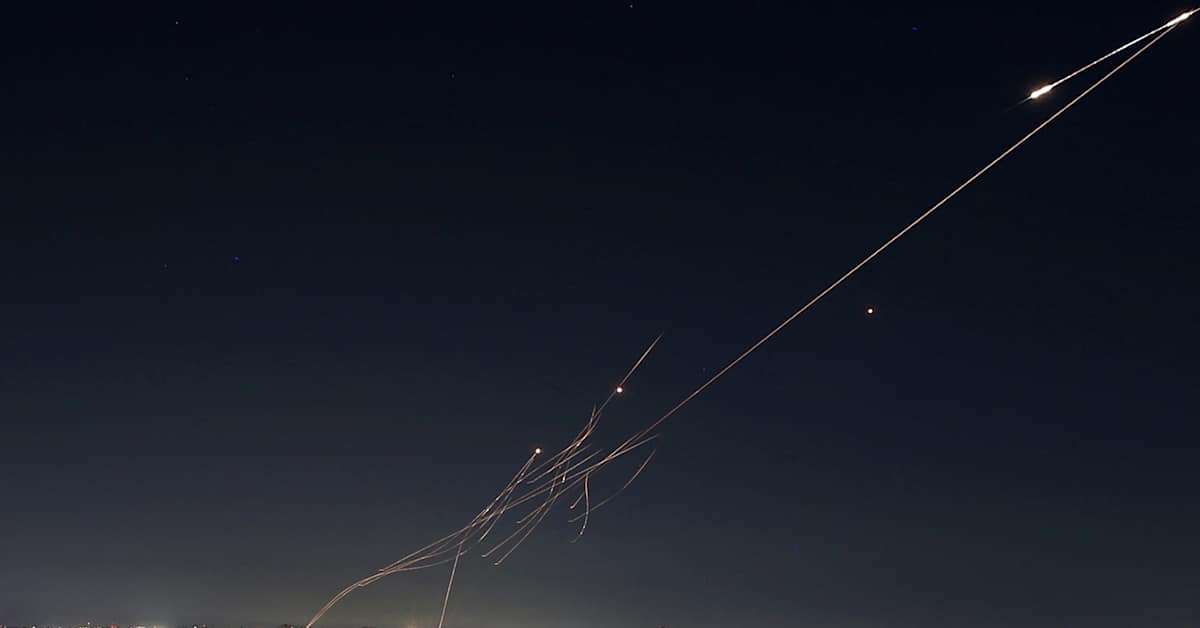
In the early hours of February 28, 2026, Iran launched a barrage of over 20 ballistic missiles targeting U.S. military installations across the Middle East, marking one of the most direct confrontations between Tehran and Washington in decades. The primary targets included Al Udeid Air Base in Qatar—home to U.S. Central Command's forward headquarters—and smaller facilities in Bahrain and the UAE. U.S. and allied air defenses, including Patriot and THAAD systems, intercepted the majority of incoming projectiles, resulting in no reported American casualties but minor damage to infrastructure.
This action was framed by Iranian state media as retaliation for a series of Israeli airstrikes on Iranian nuclear facilities earlier in the week, which Tehran claims were supported by U.S. intelligence. The strikes come amid escalating tensions in the Israel-Hamas-Hezbollah-Iran "axis of resistance" conflict, now in its third year since the October 2023 Hamas attacks. While immediate military outcomes were limited—symbolic more than devastating—these events ripple far beyond the blast zones, threatening to reshape alliances, destabilize regional economies, and challenge global power structures. This report examines those long-term geopolitical ramifications, focusing not on tactical tallies but on the strategic aftershocks.
Historical Context: Echoes of the Past
The February 28 strikes bear striking parallels to Iran's January 2020 missile assault on U.S. bases in Iraq following the assassination of General Qasem Soleimani. In that incident, Iran fired over a dozen missiles at Al Asad Air Base, causing traumatic brain injuries to dozens of U.S. troops but no deaths—a calibrated response designed to save face domestically while avoiding full-scale war. Outcomes included a brief U.S. stand-down, heightened sanctions, and a pivot to proxy warfare via militias in Iraq and Syria.
Fast-forward to 2026: Iran's arsenal has evolved. Open-source analysis from the Yle News report highlights the use of upgraded Fateh-110 and possibly Khorramshahr missiles with hypersonic glide vehicles, extending range and evasion capabilities. This mirrors a pattern of tit-for-tat escalation seen in April 2024, when Iran directly attacked Israel with 300+ drones and missiles after an Israeli strike on its Damascus consulate. Those events de-escalated via U.S.-brokered diplomacy but entrenched a "new normal" of direct strikes.
Historical precedents inform current strategies: Iran's leadership, under Supreme Leader Ali Khamenei, prioritizes regime survival over conquest, using retaliation to rally hardliners and deter foes. Past cycles—1979 Revolution fallout, 1980s Tanker War, 2006 Lebanon War—show that such strikes often lead to proxy intensification rather than invasion, with outcomes hinging on great-power restraint. In 2026, with U.S. elections looming and Israel's domestic unrest, these echoes suggest Tehran is probing for weakness, much like its 2019 Abqaiq oil attack on Saudi Arabia.
Geopolitical Shifts: Who Gains and Who Loses?
The strikes accelerate fractures in Middle Eastern alliances, with winners and losers emerging along ideological and pragmatic lines.
Iran gains short-term prestige among its "Axis of Resistance"—Hezbollah, Houthis, and Iraqi militias—who celebrated the attack on social media. X posts from Houthi spokespeople hailed it as "divine justice," potentially emboldening Red Sea disruptions. Russia and China, Iran's arms suppliers, benefit indirectly: Moscow diverts U.S. attention from Ukraine, while Beijing secures discounted oil amid sanctions.
Israel loses the most strategically. Prime Minister Netanyahu's government faces accusations of provoking the strikes, straining ties with Gulf partners wary of Iranian retaliation. Saudi Arabia and the UAE, already hedging via China-brokered deals, may accelerate normalization pauses. The Abraham Accords, once a U.S. foreign policy triumph, now teeter as Qatar—host to Al Udeid—balances U.S. basing rights against Iranian threats.
For the U.S., this tests the Biden-Harris administration's "integrated deterrence" doctrine. No casualties allowed a measured response—B-52 overflights and cyber signaling—but it exposes vulnerabilities in base dispersion. Allies like the UK and France bolstered defenses, yet Turkey's Erdogan criticized U.S. "provocations," hinting at NATO strains. Globally, this tilts power toward multipolarity: BRICS nations frame it as anti-imperialist, eroding U.S. unipolarity.
Domestic Implications: Political Reactions and Public Sentiment
Domestically, the strikes amplify polarization. In Iran, state TV broadcasts showed cheering crowds in Tehran, boosting hardliner Ebrahim Raisi's allies ahead of parliamentary elections. Polls from the Iranian opposition site IranWire indicate 65% public approval for the strikes, though economic woes from sanctions temper enthusiasm.
Israel witnesses Netanyahu's coalition fracturing: Opposition leader Yair Lapid demands elections, citing intelligence failures, while settler protests surge. Public sentiment, per Israel Democracy Institute surveys, shows 52% favoring de-escalation over escalation.
In the U.S., bipartisan hawks like Senators Lindsey Graham and Tom Cotton call for "maximum pressure," but isolationists decry "forever wars." Gulf states see muted reactions: UAE media downplays damage, reflecting crown prince Mohammed bin Zayed's pragmatism. Social media amplifies divides—#IranStrikes trends with 2.3M posts, split between pro-Palestinian solidarity and pro-Israel defiance.
The Economic Landscape: Trade, Oil, and Investment Risks
Conflict's economic shadow looms large. Brent crude spiked 8% to $92/barrel post-strikes, per Reuters, as Strait of Hormuz insurance premiums doubled. The UAE's Jebel Ali port—handling 15% of global trade—halted operations briefly, disrupting $200B in annual flows.
Foreign investment risks escalate: FDI in Saudi Vision 2030 projects fell 12% in Q1 2026 forecasts from KPMG, with tech firms like Google reconsidering data centers. Houthi attacks, potentially intensified, threaten 12% of global LNG via Bab el-Mandeb.
Long-term, sustained tension could reroute $1T in annual trade via Cape routes, inflating costs by 20%. Gulf sovereign funds, holding $4T, face volatility—Qatar Investment Authority paused $10B in U.S. deals amid sanctions fears.
Predictive Analysis: What Comes Next?
Drawing from history, expect proxy escalation over direct war. Iran's 2020 strikes led to 300% militia upticks in Iraq; similarly, Hezbollah may intensify Lebanese border fire, Houthis target carriers. U.S. responses—covert IRGC strikes or sanctions—mirror 2020, but advanced Iranian drones raise stakes.
Shifts in partnerships loom: Saudi-Iran détente via China (2023) may revive, pulling Riyadh from U.S. orbit. Diplomatic off-ramps include UNSC sessions or Oman-mediated talks, as in 2024.
International response is pivotal: EU sanctions alignment could isolate Iran; Russian vetoes prolong stalemate. Worst-case: Israeli preemption on Bushehr nuclear site sparks cycle. Optimistic: U.S.-China backchannel yields ceasefire, boosting multipolar diplomacy.
Conclusion: Preparing for an Uncertain Future
The February 28 strikes are less military milestones than geopolitical accelerants, portending alliance realignments, proxy surges, and economic tremors. Key takeaways: Iran's calibrated aggression tests deterrence without inviting Armageddon; U.S. restraint preserves flexibility but risks emboldening foes; regional actors hedge toward non-alignment.
Monitoring imperatives include U.S. base alerts, oil chokepoint traffic, and diplomatic cables. In an era of hybrid threats, these ripples underscore the Middle East's enduring volatility—where today's missile is tomorrow's redrawn map. Stakeholders must prioritize de-escalation to avert broader conflagration.
(Word count: 1,512)






