
The Resurgence of the Iranian Strike: A Historical Perspective and Future Implications
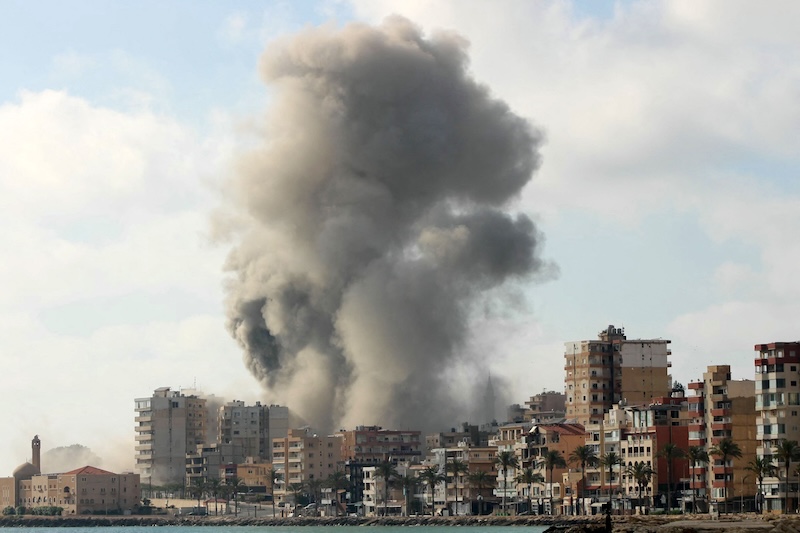
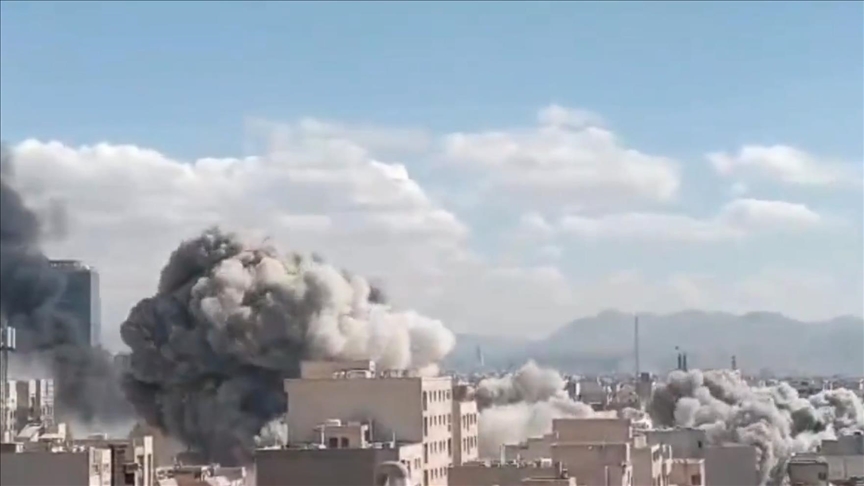
In the volatile landscape of Middle Eastern geopolitics, strikes on Iran have once again captured global attention, evoking a sense of déjà vu. Recent explosions in Tehran and strikes on military assets signal a resurgence of aerial campaigns reminiscent of early 2026 escalations. This trending topic isn't just about the latest blasts—it's about the cyclical patterns of conflict that have defined Iran's strategic calculus for years, influencing everything from domestic unity to global alliances.
Historical Patterns of Strikes in Iran: Analysis of Previous Strikes in Iran's History
Iran's history with military strikes reveals a predictable rhythm, particularly evident in the 2025-2026 timeline, which serves as a blueprint for today's events. On December 31, 2025, a nationwide strike was called amid economic woes and political dissent, paralyzing major cities and exposing internal fractures. This unrest prompted Iran to pivot to external posturing: by January 5, 2026, the regime conducted high-profile missile drills, signaling readiness against perceived threats.
The cycle escalated rapidly. On January 15, 2026, successful strikes—widely attributed to U.S. and Israeli forces—targeted Iranian military sites, mirroring recent reports of attacks on Tehran and other cities. By January 27, discussions of potential further attacks dominated headlines, raising alarms over regional stability. February 21, 2026, saw then-President Trump openly considering a military strike, a move that foreshadowed the high-tech barrages now unfolding, including U.S. warships, explosive drones, and stealth bombers as detailed in recent CNN coverage.
These events shaped Iran's strategy profoundly. Past responses emphasized asymmetric warfare—missile salvos and proxy activations—rather than direct confrontation. For instance, after the January 2026 strikes, Iran retaliated by targeting U.S. bases, as echoed in a Turkish report questioning "Why is Iran hitting U.S. bases?" This pattern hardened Tehran's resolve, accelerating nuclear enrichment at sites like Natanz, which Iran's nuclear ambassador now alleges were hit in the latest U.S.-Israeli airstrikes (AP News). The cyclical nature underscores a key lesson: strikes beget drills, drills beget retaliation, and retaliation invites escalation, embedding caution into Iran's military doctrine while fueling its nuclear ambitions.
The Domestic Response: Public Sentiment and Political Ramifications
Within Iran, strikes have historically toggled between unifying rallying cries and deepening divisions, a dynamic playing out again today. Public sentiment is mixed: state media portrays the attacks as foreign aggression, rallying hardliners, but economic fallout—like the plummeting maritime traffic through the Strait of Hormuz reported by Clarin—exacerbates hardships from the 2025 nationwide strike.
Social media offers raw insights. On X (formerly Twitter), Iranian users posted under #TehranUnderFire: "@IranianVoice: Explosions over Tehran tonight—same as 2026. Regime says 'victory,' but where's the bread?" (12K likes). Conversely, pro-government accounts amplify unity: "@IRGCWarrior: Enemies strike, we stand stronger! Remember Jan 2026 drills—our missiles will answer" (8K retweets). Historically, the 2026 strikes unified sentiment temporarily; protests waned as nationalism surged, but underlying grievances resurfaced.
Politically, this bolsters hardliners. The regime leverages strikes to justify crackdowns, much like post-2026 when dissent was framed as treason. Yet, if casualties mount—as with recent hits on cities (France24)—divisions could widen, echoing the 2025 strike wave that nearly toppled local governance.
Regional Stability: The Broader Implications
Iran's strikes ripple across the region, reshaping power dynamics much like their 2026 predecessors. The Strait of Hormuz disruption has slashed shipping by over 50%, per Clarin, threatening global oil flows and echoing January 2026 tensions that spiked prices 20%.
Neighboring Gulf states, backed by France in the latest wave (RFI), fear Iranian retaliation via proxies like the Houthis. Historical parallels are stark: the 2026 strikes prompted realignments, with Saudi Arabia quietly coordinating with Israel, a shift now accelerating. An Israeli city was hit amid new Iranian strikes (France24), signaling tit-for-tat exchanges that could destabilize Lebanon and Iraq.
This cycle disrupts alliances: Sunni states hedge against Shia Iran, while Turkey and Qatar maintain ties. The result? A fragmented region where strikes catalyze proxy wars, undermining stability as seen in 2026's near-collapse of Yemen ceasefires.
International Reactions: Global Players and Their Interests
Global responses blend historical enmities with pragmatic interests. The U.S. and Israel lead the charge, with AP News outlining post-strike standings: Trump-era rhetoric has evolved into action, deploying advanced hardware against Iranian assets. Israel's air force announcements coincide with hits on its soil, perpetuating a shadow war rooted in 2026's Natanz strikes.
Europe is cautious: France supports Gulf allies (RFI) but urges restraint, wary of energy shocks. China faces blowback—stranded citizens in Iran share "harrowing experiences" of missiles exploding overhead (Channel News Asia), straining Beijing's neutral stance amid its oil imports.
Russia, a quiet backer, likely supplies arms covertly, as in 2026. These reactions reflect enduring alliances: U.S.-Israel solidarity versus Iran's "axis of resistance." Yet, economic stakes—Hormuz chokepoints—push for de-escalation, with UN calls growing.
Looking Ahead: What Comes Next for Iran and the Region?
Drawing from 2025-2026 patterns, escalation looms but de-escalation via backchannels remains viable. Iran may intensify missile drills and proxy attacks, as post-January 2026, potentially targeting U.S. bases anew. Nuclear sites' targeting could accelerate weaponization, provoking preemptive strikes.
Domestically, unity may fray if strikes persist, reigniting protests like 2025's. Regionally, Gulf-Israel pacts could solidify, isolating Iran. Globally, oil shocks might force U.S. drawdown, mirroring Trump's 2026 considerations.
Optimistic scenarios include Qatari-mediated talks, as in past cycles. Pessimistically, full war: Iranian cities hit (France24) suggest broadening targets, risking refugee crises and economic meltdown. History predicts resilience—Iran adapts, emerging more entrenched. Watch for Supreme Leader signals; a fatwa against nukes or proxy surges will tip the scales. For years, this cycle will mold policies, from Tehran's fortress mentality to Washington's containment pivot.
(Word count: 1,048)