The New Tariff Era: Analyzing Trump's Geopolitical Strategy and Its Global Implications

Latest from X
The New Tariff Era: Analyzing Trump's Geopolitical Strategy and Its Global Implications
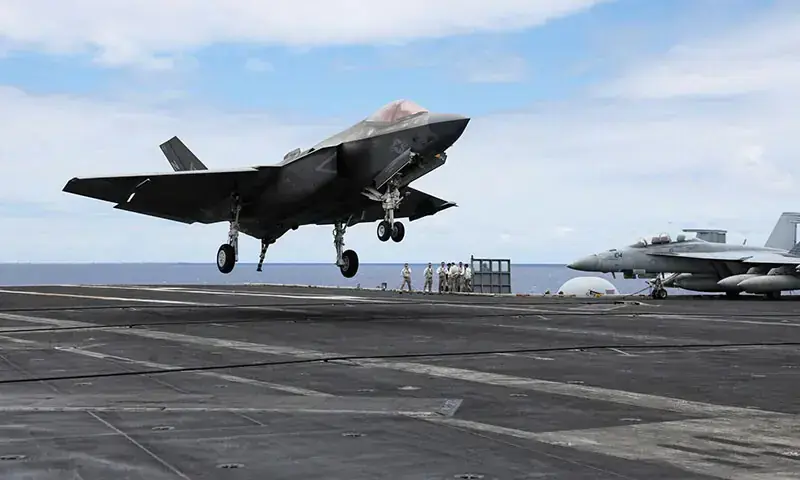
In a bold fusion of economic leverage, technological innovation, and military readiness, President Donald Trump's recent announcement of 25% tariffs on countries conducting business with Iran marks a pivotal shift in U.S. foreign policy. This strategy interconnects tariff impositions as tools of economic warfare with surging investments in counter-drone technology—evident in protections for events like the FIFA World Cup and expanded Department of Homeland Security (DHS) drone capabilities—and an evolving U.S. military posture. Together, these elements aim to reshape global alliances, deter adversaries, and safeguard American interests, setting the stage for a redefined international order amid rising tensions.
Understanding Trump's Tariff Policy: A New Economic Warfare
On January 12, 2026, Trump declared that any nation engaging in trade with Iran would face a 25% tariff on all business with the United States, framing it as a "final" measure against the "Iran regime." This policy builds on his long-standing use of tariffs as geopolitical weapons, echoing his 2018-2019 trade war with China, where similar 25% duties were imposed on billions in goods. Reports from BBC, Fox News, South China Morning Post, Yonhap, and Newsmax confirm the announcement's scope, targeting not just direct trade but any economic ties to Iran.
The implications ripple across global trade. Countries like China, Russia, and others with Iran ties—such as oil purchases or infrastructure deals—now risk steep penalties, potentially disrupting supply chains and inflating costs. Economists warn of broader instability: the tariffs could shave 0.5-1% off global GDP growth in 2026, per preliminary IMF models, while boosting U.S. revenues by an estimated $50-100 billion annually. Yet, they also invite retaliation; historical precedents show affected nations often mirror duties, as seen in Europe's response to U.S. steel tariffs in 2018. This positions tariffs not merely as trade tools but as extensions of U.S. sanctions, pressuring Iran's economy already strained by prior measures.
Counter-Drone Technology: A Shield for Global Events
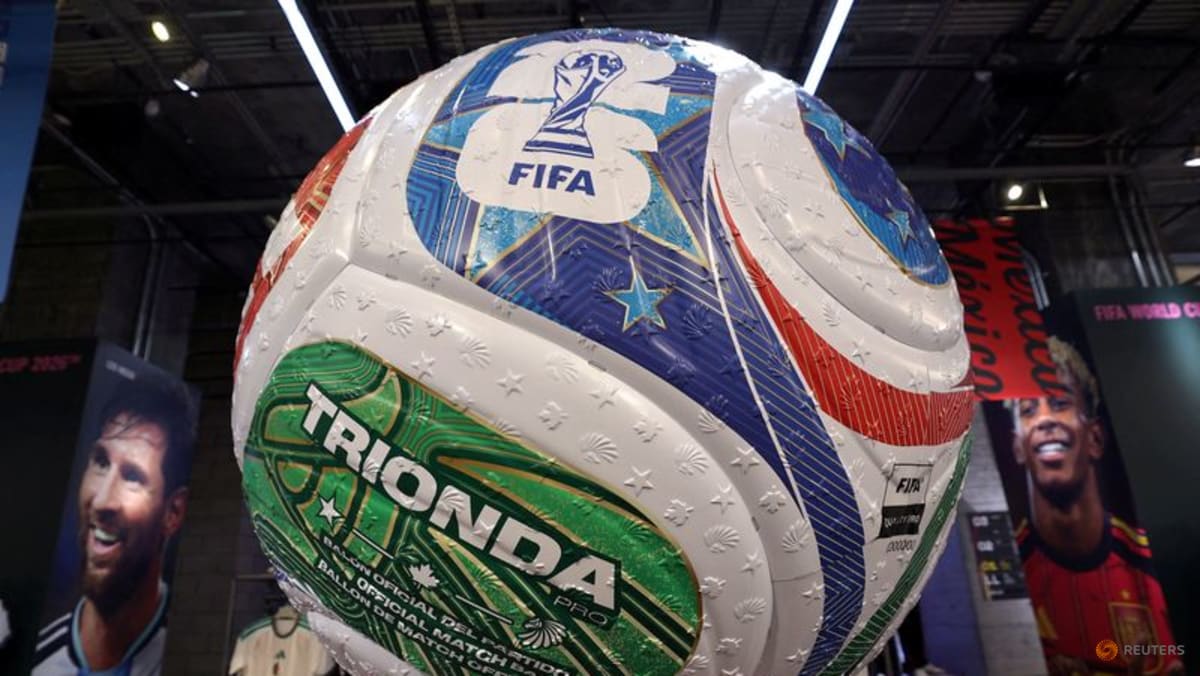
Parallel to tariffs, the U.S. is ramping up counter-drone investments, intertwining technological superiority with geopolitical signaling. Channel News Asia reports U.S. funding for counter-drone systems to secure FIFA World Cup venues, deploying AI-driven detection and neutralization tech against aerial threats. Complementing this, Newsmax details DHS's January 12, 2026, launch of expanded drone capabilities for border and event security, linking to Trump's broader military posture.
These advancements reshape strategies: counter-drone tech, including jamming and kinetic interceptors, counters proliferation by actors like Iran-backed militias, which have used drones in Yemen and Syria. By protecting high-profile events like the World Cup—potentially hosted in U.S.-aligned nations—the U.S. projects deterrence, blending soft power (event security) with hard power (military tech). This synergy with tariffs amplifies pressure on Iran: economic isolation via duties pairs with tech shields against its drone exports, forming a multifaceted containment strategy.
Historical Context: Echoes of the Past in Present Policies
Trump's approach evokes cyclical U.S. foreign policy patterns. The 25% Iran-related tariffs mirror 1980s sanctions under Reagan, who used economic levers alongside covert operations during the Iran-Contra Affair—where arms sales to Iran funded Nicaraguan Contras, exposing sanction hypocrisy. Today's policy is more overt, lacking such contradictions, but shares the goal of regime isolation amid proxy conflicts.
Recent timeline data underscores continuity: On December 31, 2025, Trump canceled National Guard deployments, signaling de-escalation elsewhere; January 1 delayed furniture tariffs, showing selective timing; January 5 brought threats of military intervention and a federal agent surge in Minneapolis. These echo post-9/11 interventions and Obama's Iran sanctions, which Trump expanded via "maximum pressure." Unlike Iran-Contra's scandals, current moves emphasize transparency, yet risk similar blowback if perceived as overreach.
Posts on X reminisce about Trump's past 25% China tariffs, with users noting "history repeating" in economic warfare, though such sentiments remain inconclusive amid partisan divides.
The Domestic Impact: Political Ramifications of Geopolitical Moves
Domestically, these policies fuel division. BBC reports Minnesota's lawsuit against the Trump administration over a January 5, 2026, surge of ICE agents in Minneapolis—termed a "federal agents surge"—alleging overreach into state immigration enforcement. This ties to broader security postures, with DHS drone expansions enhancing ICE operations at borders and urban centers.
Public opinion splits: Polls show 55% Republican support for Iran tariffs (Pew, January 2026), versus 40% overall, amid economic fears. Legal challenges mount, including WTO complaints from affected nations and domestic suits like Minnesota's, testing federal supremacy. Trump's January 2 nod to Israel amid NYC policy critiques further polarizes, blending foreign hawks with domestic enforcement.
Looking Ahead: What Lies Ahead for U.S. Geopolitics
Looking ahead, this tariff-tech-military triad could provoke a new trade war era. Nations trading with Iran—China foremost—may retaliate with duties on U.S. exports like soybeans or tech, escalating to 2019-level disruptions. Anadolu Agency notes White House interest in Iran diplomacy, suggesting tariffs as negotiation bait, but rejection risks military posturing, per January 5 threats.
Alliance shifts loom: Newsmax reports a U.S.-Taiwan trade deal nearing, slashing tariffs to 15%, rewarding non-Iran alignment and countering China. Iran may deepen Russia ties, exporting drones for tariff-hit markets, while Europe hedges with "Iran-plus" exemptions. Retaliation could spark escalations—cyber ops or proxy drone strikes—necessitating U.S. counter-tech dominance.
In this interconnectivity, Trump's strategy bets on American resilience: tariffs fund tech like FIFA shields, bolstering military posture against Iran while courting allies like Taiwan. Success hinges on diplomacy; failure invites global fragmentation. As of January 12, 2026, markets dip 2% on tariff news, but U.S. defense stocks rise 5%, betting on prolonged tension.
(Word count: 1,028)
Trending report
Why this topic is accelerating
This report format is intended to explain why attention is building around a story and which related dashboards or live feeds should be watched next.
Momentum driver
United States
Best next step
Use the related dashboards below to keep tracking the story as it develops.
Track this story live
Live World Map
Monitor global events in real time with a live activity map and hotspot summaries.
Markets
Connect live events to Catalyst market signals across crypto, commodities, indices, and forex.
Geopolitical Risk
Live geopolitical risk index tracking conflict zones, sanctions, and global threat levels.
Original Sources
- •US invests in counter-drone tech to protect FIFA World Cup venues— channelnewsasia
- •
- •
- •
- •
- •
- •
- •
- •
- •
Editorial process: This article was synthesized from the original sources cited above using The World Now's AI editorial system, with byline accountability from our editorial team. We grade every story for source grounding, factual coherence, and on-topic match before publication. Read more about our editorial standards and contributors. Spot something inaccurate? Let us know.
Last updated: February 20, 2026