The New Frontline: Understanding the Latest Strikes in Ukraine and Their Implications for Global Security

Latest from X
The New Frontline: Understanding the Latest Strikes in Ukraine and Their Implications for Global Security
By The World Now Conflict/Crisis Analysis Team
January 10, 2026
The ongoing conflict in Ukraine has entered a perilous new phase, with Russia's recent bombardment of Kyiv—coming mere hours after rejecting an international peacekeeping proposal—underscoring not only the fragility of military frontlines but also the unraveling of global diplomatic frameworks. This article examines these strikes through a multifaceted lens, beyond tactical maneuvers, to reveal their profound ripple effects on international relations, security architectures, and alliance dynamics. As Moscow dismisses peace overtures, the attacks signal a deliberate strategy to erode Ukraine's resilience while testing the resolve of NATO, the EU, and other actors, potentially redrawing the contours of European security and global stability.
Current Situation Overview
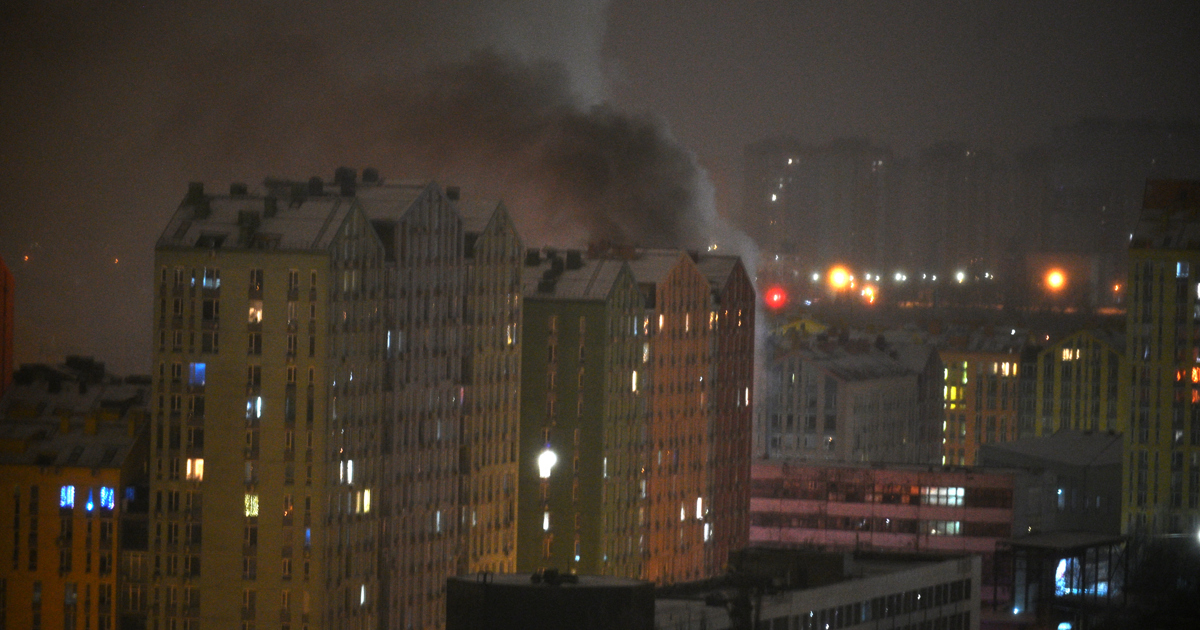
As of January 10, 2026, Kyiv and its surrounding regions remain under heightened alert following a massive Russian aerial assault launched on January 9. Reports indicate that the strikes, involving missiles and drones targeting energy infrastructure, residential areas, and civilian facilities, have caused significant damage. Ukrainian officials, including President Volodymyr Zelenskyy, have confirmed that at least 20 residential buildings in Kyiv were hit, with recovery operations ongoing across multiple regions including Lviv. Power outages and disruptions to essential services persist, exacerbating winter hardships for millions.
The immediate human toll includes casualties from direct hits, with one fatality reported earlier in the week from a hospital strike in Kyiv on January 5, where patients were evacuated amid ongoing attacks. Posts on X from Zelenskyy and the Ministry of Defense highlight a pattern of "deliberate terror" against civilians, with energy grids and urban centers as primary targets. Ukraine's military response has centered on robust air defense operations, intercepting a substantial portion of incoming threats, though some penetrations have led to confirmed impacts.
This escalation follows Russia's public rejection of a proposed peacekeeping plan, reportedly backed by Western mediators, which aimed to deploy neutral observers along key frontlines. The timing—strikes commencing shortly after the rebuff—suggests a calculated message: Moscow's unwillingness to de-escalate amid international pressure. Ukrainian forces have maintained defensive postures, with no major ground advances reported, but the aerial campaign has strained resources, prompting urgent calls for enhanced Western air defense systems.
Historical Context: A Timeline of Escalation
To grasp the current crisis, one must trace the escalation pattern from late 2025, where drone and missile strikes evolved from sporadic harassment to sustained infrastructure assaults. This timeline reveals Russia's shift toward hybrid warfare—blending aerial barrages with psychological operations—while Ukraine has adapted through integrated air defenses and asymmetric counterstrikes.
Key events include:
- December 31, 2025: Drone strike in Odesa injures 6. A Russian drone targeted port infrastructure, wounding civilians and disrupting Black Sea logistics, echoing earlier 2024-2025 patterns of maritime interdiction.
- December 31, 2025: Russian Attack on Kyiv Region. Initial volleys hit energy facilities, foreshadowing the January intensity and testing Ukraine's Patriot systems.
- December 31, 2025: Russian Drone Strike on Odesa. Reinforcing the Odesa focus, this strike injured additional civilians, highlighting Russia's aim to choke Ukraine's southern export routes.
- December 31, 2025: Explosions in Melitopol during offensive. Amid ground operations in occupied territories, blasts targeted Ukrainian positions, blending aerial and artillery tactics.
- January 1, 2026: Ukrainian drone strike in Kherson. In retaliation, Ukraine struck Russian logistics, demonstrating evolving deep-strike capabilities.
These incidents parallel earlier drone campaigns, such as the 2024-2025 Odesa strikes that crippled grain exports and the December 2025 Christmas assaults on energy grids. Historically, Russia has used winter offensives to exploit Ukraine's vulnerabilities, forcing blackouts and civilian displacement. Ukraine's response has matured: from initial reliance on Soviet-era systems to Western-supplied Patriots and NASAMS, enabling higher interception rates (up to 70-80% in Kyiv per official claims). This evolution has shaped a doctrine of "active defense," prioritizing civilian protection while preserving offensive drones for reciprocity.
The rejection of the peacekeeping plan fits this arc, as prior diplomatic pauses—like the 2022 grain deal—collapsed under similar aerial escalations, eroding trust in mediation and hardening alliance commitments.
The Role of International Actors
International responses to Ukraine's plight have evolved from rhetorical condemnation to tangible matériel support, yet the Kyiv strikes expose limits in diplomatic leverage. Since the 2022 invasion, NATO has pivoted from non-lethal aid to delivering advanced systems, with recent F-16 deliveries and ATACMS munitions bolstering Ukraine's reach. The EU, meanwhile, has surged energy aid and sanctions, aiming to insulate Kyiv from blackouts.
Posts on X from Ukrainian leadership underscore frustration with delayed responses, urging NATO for "immediate" long-range capabilities. NATO's evolution is stark: early hesitance over escalation fears has given way to summits endorsing Ukraine's "irreversible path" to membership, though no-fly zones remain off-limits. The peacekeeping rejection—dismissed by Russia as "NATO provocation"—tests this framework, potentially accelerating Article 5 debates if strikes spill over borders.
Russia's gambit influences alliances profoundly: by targeting civilians post-diplomacy, Moscow seeks to fracture Western unity, exploiting U.S. election cycles and European energy woes. EU nations like Poland and the Baltics advocate escalation, while Hungary demurs, highlighting intra-alliance strains. This dynamic reframes global security: Ukraine as a proxy frontline, where inaction risks emboldening aggressors from Taiwan to the Sahel.
Civilians at the Crossroads: Human Impact of the Strikes
Amid the strategic calculus, civilians bear the brunt, transforming Kyiv into a humanitarian flashpoint. Recent strikes have damaged over 20 residential blocks, hospitals, and rail infrastructure, displacing thousands and straining shelters. In Kyiv's Okhtyrka district, families huddle in metro stations, their homes reduced to rubble from hypersonic Kinzhal missiles.
Personal stories amplify the crisis. Olena K., a 45-year-old teacher from a struck Kyiv suburb (as recounted in local reports), lost her apartment on January 9: "We heard the sirens, then the explosion shook everything. My neighbor's child was injured by flying glass." Similar accounts from Fastiv, where a railway station burned from drone hits, evoke the 2024 Kharkiv blackouts that killed dozens via hypothermia.
The humanitarian toll—compounded by winter—includes disrupted medical care, with the January 5 hospital strike evacuating patients mid-treatment, claiming one life. UNICEF warns of 1.5 million children at risk, while the UN reports over 500 civilian deaths in aerial campaigns since October 2025. This "crossroads" moment weaponizes daily life, fostering war fatigue that could undermine Ukraine's resolve and international support, as graphic imagery sways public opinion in donor nations.
Looking Ahead: What This Means for Global Security
Forecasting the trajectory demands scrutiny of Russia's post-rejection calculus: intensified offensives appear likely, with analysts predicting a surge in Shahed drones and Iskander missiles to overwhelm defenses before spring thaws enable ground pushes. Ukraine's countermeasures—bolstered by U.S. aid packages—may sustain attrition, but sustained blackouts risk societal collapse.
Globally, continued strikes could catalyze NATO shifts: expect accelerated Taurus missile transfers from Germany and French Mirage jets, potentially altering escalation ladders. If casualties mount, Baltic states may invoke enhanced forward presence, edging toward direct involvement. Russia's hybrid playbook—cyberattacks alongside bombs—threatens spillover, as seen in recent Polish airspace violations.
The unique geopolitical pivot: these strikes fracture the post-Cold War order. A Russian "victory" in Kyiv's skies emboldens autocrats, eroding deterrence from Helsinki to Seoul. Conversely, robust Western backing could solidify NATO's eastern flank, but at the cost of proxy fatigue. Watch for January 15 UN Security Council debates; a vetoed resolution might spur bilateral pacts, redefining alliances. Ukraine's fate hinges on this: diplomacy's failure presages a "new frontline" spanning continents.
In sum, the Kyiv bombardments transcend local tragedy, probing the sinews of global security. As Russia rejects peace, the world confronts a stark choice—fortify frameworks or witness their fracture.
(Word count: 1,512)
Situation report
What this report is designed to answer
This format is meant for fast situational awareness. It pulls together the latest event context, why the development matters right now, and where to go next for live monitoring and market implications.
Primary focus
Ukraine
Best next step
Use the related dashboards below to keep tracking the story as it develops.
Track this story live
Live World Map
Monitor global events in real time with a live activity map and hotspot summaries.
Global Conflict Map
Follow active conflict zones, strike activity, and emerging geopolitical hotspots.
Current Wars
Track all active wars and armed conflicts happening in the world right now.
Iran War
Track the Iran war in real time with proxy network monitoring, Strait of Hormuz risk, and market impact.
Original Sources
- •
Editorial process: This article was synthesized from the original sources cited above using The World Now's AI editorial system, with byline accountability from our editorial team. We grade every story for source grounding, factual coherence, and on-topic match before publication. Read more about our editorial standards and contributors. Spot something inaccurate? Let us know.
Last updated: January 26, 2026






