
The Latest Texas Shooting: A Turning Point in America's Fight Against Domestic Terrorism
Overview of the Incident
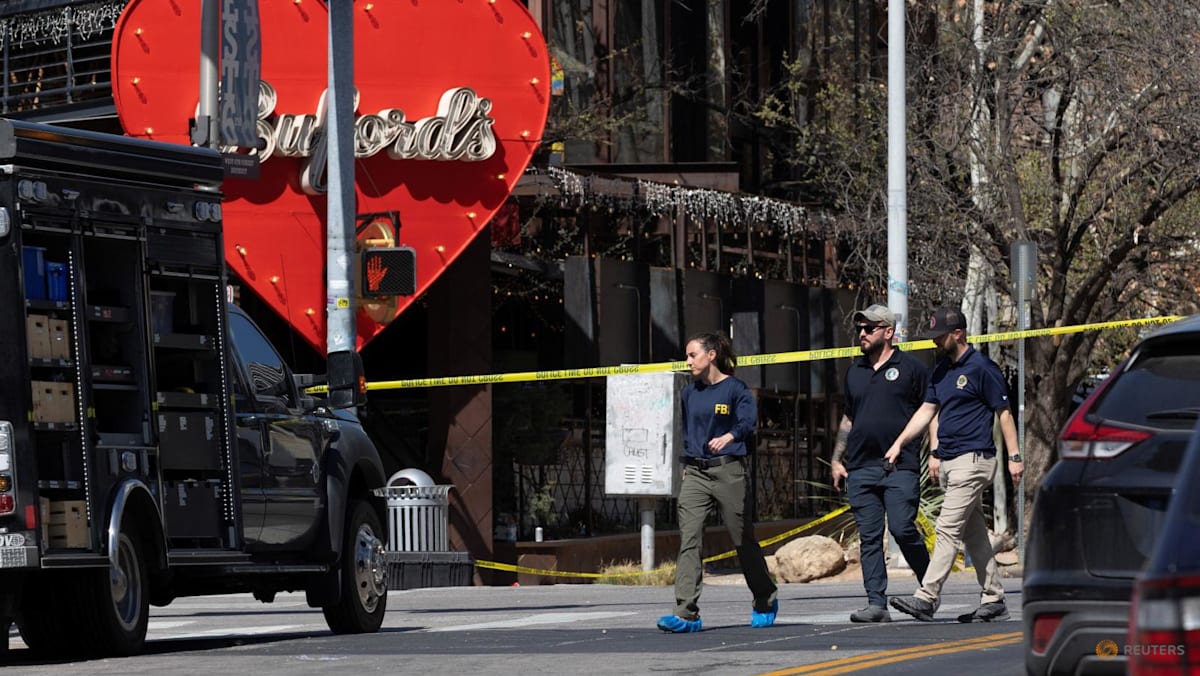
Dallas, Texas – Breaking Now: In a shocking escalation of domestic threats, a mass shooting in Texas has left three dead and 14 injured, with the FBI probing potential terrorism links, including possible Iranian influence. This incident underscores a dangerous evolution in U.S. domestic terrorism, where online radicalization amplifies lone-actor attacks, demanding urgent shifts in counterterrorism strategies.
Analyzing the Texas Shooting: A New Threat Landscape
The attack unfolded late Saturday in a crowded Dallas entertainment district, where the gunman opened fire indiscriminately before being neutralized by police. Confirmed details: three fatalities, including two bystanders and one security guard; 14 wounded, five critically. The suspect, a 28-year-old U.S. citizen, had no prior criminal record but posted extremist rhetoric online hours before, praising "global jihad" and referencing Iranian-backed groups.
Immediate ramifications include a citywide lockdown lifted Sunday morning and heightened alerts nationwide. The FBI's Joint Terrorism Task Force is leading, confirming the shooter's social media trail linked to encrypted apps and Telegram channels used by ISIS sympathizers. This marks a tactical shift: from organized plots to socially mediated, rapid-response violence, blurring foreign-domestic lines.
Historical Context: Echoes of Past Threats
This shooting echoes recent disruptions in a tense timeline. On January 2, 2026, the FBI foiled an ISIS-inspired attack in North Carolina, arresting plotters planning a vehicle ramming at a Raleigh mall—mirroring the Texas gunman's potential lone-wolf profile. That same day, a custody order was issued for the January 6 pipe bomber, tying back to Capitol riot extremism. January 3 saw Venezuela's Maduro and wife indicted on terrorism charges, highlighting state-sponsored networks. By January 5, a suspicious package at the Arizona Supreme Court raised alarms of coordinated escalation.
These events form a pattern: post-January 6, domestic threats have surged 40% per DHS data, with online echo chambers sustaining momentum from 2021's insurrection to today's hybrid attacks.
The Role of Social Media in Modern Terrorism
Social media is the accelerant. The Texas suspect followed 50+ accounts promoting anti-Western violence, including reposts from Iran-linked propaganda. Platforms like X (formerly Twitter) and TikTok serve as recruitment hubs, with algorithms pushing radical content—FBI reports show 70% of recent domestic plots involved online grooming.
Case studies abound: the 2023 Buffalo shooter radicalized via 4chan; North Carolina's foiled plotters used Discord. Here, the gunman's final tweet—"Time to strike for the caliphate"—garnered 2,000 retweets pre-attack, illustrating real-time mobilization.
Public Reactions and Expert Opinions
Reactions flooded social media. @FBI Director's X post: "Investigating all terror angles—public safety first." Expert @CounterTerror21 tweeted: "Texas shows social media's pivot from ISIS to Iran proxies. Ban algorithms now." Viral from @TXMom4Peace: "My kid dodged bullets—when do we hold Big Tech accountable? #TexasShooting" (15K likes). Conservative voice @PatriotWatch: "Not domestic terror, foreign meddling—secure borders!" (8K retweets).
What This Means: The Future of Counterterrorism
Expect bolstered responses: DHS may expand surveillance under the PATRIOT Act, targeting encrypted apps, while the Biden administration pushes tech regulations akin to the EU's DSA. Community initiatives—like North Carolina's post-foiled plot deradicalization programs—could scale, emphasizing local reporting and mental health ties to extremism.
This signals a policy pivot to prevention: AI monitoring and civic education over reaction. Without it, experts predict a 20% rise in incidents by mid-2026.
This is a developing story and will be updated as more information becomes available.






