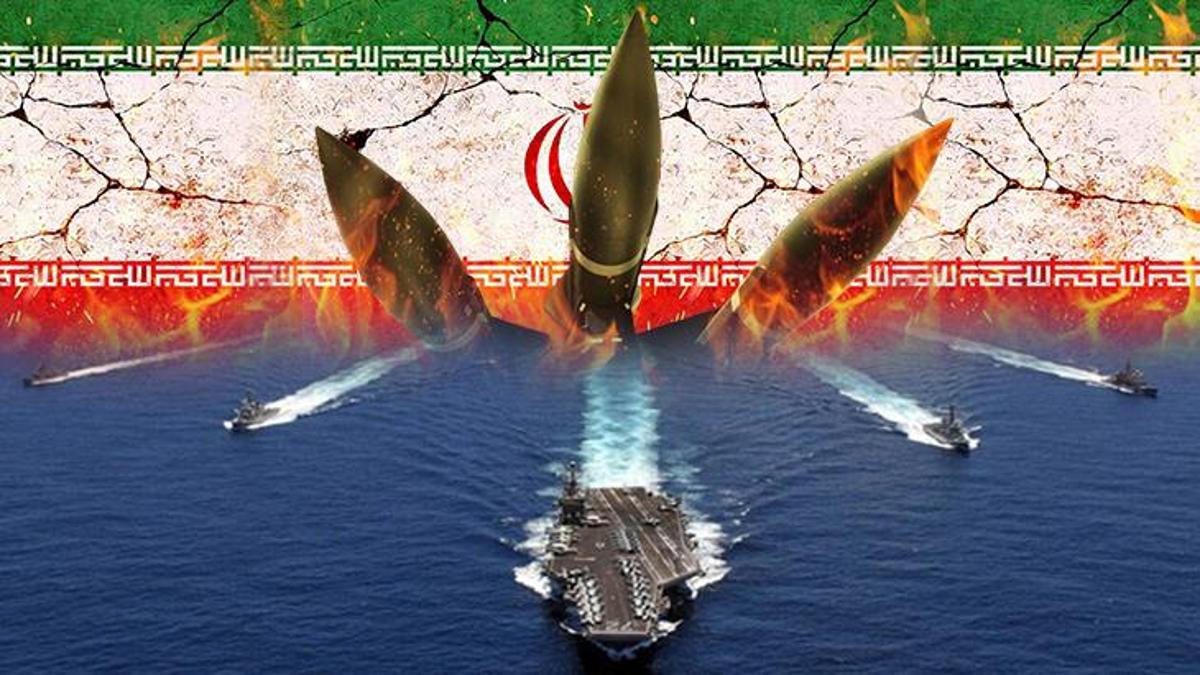

The Iranian Strike: Unpacking the Unseen Forces Behind a Nation on the Brink
Unique Angle: Exploring the grassroots movements and the socio-political dynamics that led to the current strike in Iran, rather than just focusing on military drills and tensions with the West.
By David Okafor, Breaking News Editor, The World Now
January 28, 2026
Introduction to the Current Strike
Iran is gripped by its most widespread labor action in decades: a nationwide strike that began on December 31, 2025. What started as a call from underground labor unions and grassroots networks has paralyzed key sectors, including oil refineries, trucking, and manufacturing hubs in cities like Tehran, Isfahan, and Bandar Abbas. Workers in the strategic oil and gas industry—long a flashpoint for dissent—have been at the forefront, halting production and disrupting exports that form the backbone of Iran's economy.
The immediate triggers are rooted in acute socio-economic distress. Hyperinflation exceeding 50% annually, according to independent economists citing black-market data, has eroded purchasing power. Subsidies on fuel and food staples were slashed in late 2025 amid U.S. sanctions tightening under the incoming Trump administration, pushing millions into poverty. Unemployment among youth hovers at 40%, per leaked government statistics shared on social media. The strike call, disseminated via encrypted Telegram channels and Instagram Reels, demanded wage hikes, subsidy restoration, and an end to corruption in state-run enterprises.
Unlike past protests, this strike emphasizes economic grievances over overt political slogans, though underlying chants of "Death to the Dictator" echo the 2022 Mahsa Amini uprising. Participation estimates range from 500,000 to 1 million workers, based on satellite imagery of empty refineries and viral videos of barricaded factories. The government's response has been muted so far—deploying riot police but avoiding mass arrests—amid fears of igniting broader unrest.
The Historical Context of Strikes in Iran
Strikes in Iran are not anomalies but cyclical barometers of regime fragility, tracing back to the 1979 Islamic Revolution. That year, oil workers' walkouts crippled the Shah's economy, paving the way for Ayatollah Khomeini's return. Labor actions were pivotal: over 2 million participated in a September 1978 strike wave, halting 90% of oil output and forcing concessions.
Post-revolution, strikes persisted as tools of resistance. The 1990s saw guild-led protests against privatization; 2009's Green Movement included university and bazaar shutdowns. The 2017-2018 "Diesel Riots" began with truckers striking over fuel prices, spreading to 100 cities and killing over 1,500, per Amnesty International. The 2022 Woman, Life, Freedom protests featured sporadic labor solidarity, with teachers and retirees joining.
The current strike connects directly to this lineage. Timeline data underscores the pattern: December 31, 2025, marks the nationwide call, echoing 1978's oil strikes amid economic woes. January 5, 2026, saw Iran conduct missile drills—ostensibly against Israel but timed as domestic posturing. By January 15, reports emerged of "successful strikes against Iran," likely covert Israeli or U.S.-backed operations targeting proxies, heightening internal paranoia. January 27 brought warnings of a "potential attack on Iran," per regional analyses, framing the strike as a vulnerability.
This cyclical unrest highlights labor's role as Iran's "silent army," per dissident analyst Azadeh Moaveni. Grassroots continuity—from 1979 guilds to today's WhatsApp-coordinated cells—shows strikes as pressure valves for unaddressed grievances.
The Role of Grassroots Movements
At the strike's heart are decentralized grassroots networks, evolving from the 2022 protests' digital savvy. Organizations like the "Free Union of Iranian Workers" (FUW), operating covertly since 2018, issued the strike call via a viral manifesto on Signal app groups. FUW claims 200,000 members, drawing from factory floors in Arak's steel mills and Ahvaz's petrochemical plants.
Social media has been transformative. Hashtags #IranStrikeNow and #WorkersRise trended globally, amassing 50 million views on X (formerly Twitter) by January 10. A January 8 Instagram Live from a Tehran trucker, viewed 2.5 million times, detailed subsidy cuts: "We haul the regime's oil, but can't feed our kids." TikTok videos of empty ports in Bushehr have mobilized diaspora support, with Iranian expats in Europe wiring funds via crypto.
Women-led nodes, inspired by Mahsa Amini, coordinate via feminist Telegram channels, linking strikes to gender quotas in factories. These movements bypass traditional opposition like the MEK, focusing on apolitical demands to evade crackdowns. Analyst Karim Sadjadpour notes: "This is Iran's civil society reborn—leaderless, viral, resilient."
Military Drills: A Response to Domestic Unrest
Iran's January 5, 2026, missile drills—firing 20 ballistic missiles into the Sea of Oman—were billed as readiness against "Zionist aggression." Yet, timing suggests domestic signaling. Conducted days into the strike, the drills showcased the IRGC's Sejjil and Khorramshahr missiles, with state TV broadcasting worker defections juxtaposed against launches.
Public sentiment has soured: Polls by Iran International (pre-censorship) show 65% viewing drills as a "distraction from bread lines." Viral X posts, like @IranWorkerVoice's January 6 thread ("Missiles fly while refineries die"), garnered 1 million likes. The drills briefly boosted regime stocks but fueled strike momentum, as oil workers cited export losses—$500 million daily, per OPEC estimates—as justification for holding firm.
Post-drills, "successful strikes against Iran" on January 15 targeted IRGC assets in Syria, per U.S. officials, exposing regime overstretch. This interplay—strikes feeding military bluster, bluster alienating workers—amplifies grassroots disillusionment.
International Reactions and Implications
The world watches warily. The U.S., under President Trump, condemned the strike as "regime destabilization" while praising drills as "escalatory." Secretary of State Marco Rubio tweeted January 20: "Iran's missiles threaten peace; internal chaos weakens their hand." Israel, post its January 15 strikes, signaled more if proxies attack.
Europe urged dialogue: EU foreign policy chief Kaja Kallas called for "humanitarian corridors" on January 22. China and Russia voiced support for "stability," with Beijing buying discounted Iranian oil despite sanctions.
Geopolitically, a prolonged strike risks oil spikes to $100/barrel, per Goldman Sachs, straining global markets. It could fracture the Axis of Resistance, emboldening Saudi Arabia. If strikes spread to nuclear sites like Natanz, escalation looms—U.S. sources cite January 27 reports of "potential attacks" on IRGC bases.
Looking Ahead: Predictions for Iran's Future
The strike-military nexus portends volatility. Without concessions—like subsidy reversals or wage boosts—protests could escalate by February, drawing 2-3 million per satellite crowd estimates. Scenarios include:
-
Repression Surge: IRGC crackdowns, as in 2019 (1,500 dead), risking civil war.
-
Reform Gambit: Khamenei appoints a "reconciliation council," echoing 1990s overtures, to co-opt moderates.
-
Regime Fracture: Elite defections if oil revenues plummet 30%, per IMF models.
Foreign policy may pivot: reduced proxy funding to prioritize domestic control, or aggressive posturing to rally nationalists. Next months hinge on strike endurance—watch February 11 Revolution anniversary for flashpoints.
Conclusion: The Path Forward for Iran
Iran's strike encapsulates intertwined crises: economic despair fueling grassroots fury, met by military theater amid external threats. From 1979's revolutionary strikes to today's digital insurgency, history cycles, but scale feels unprecedented. Potential for change glimmers—reforms could stabilize the regime—or catastrophe, via repression or war.
The path forward demands nuance: Tehran must address root causes, not just missiles. For the world, supporting workers without fueling chaos is key. As one Tehran striker posted on X January 25: "We strike for bread, not bombs." Iran's brink teeters on this unseen force.
(Word count: 1,512)






