
The Human Cost of Silence: Unmasking the Tragedy of Iran's Civil Unrest
A Father's Desperate Search: The Human Toll of State Violence
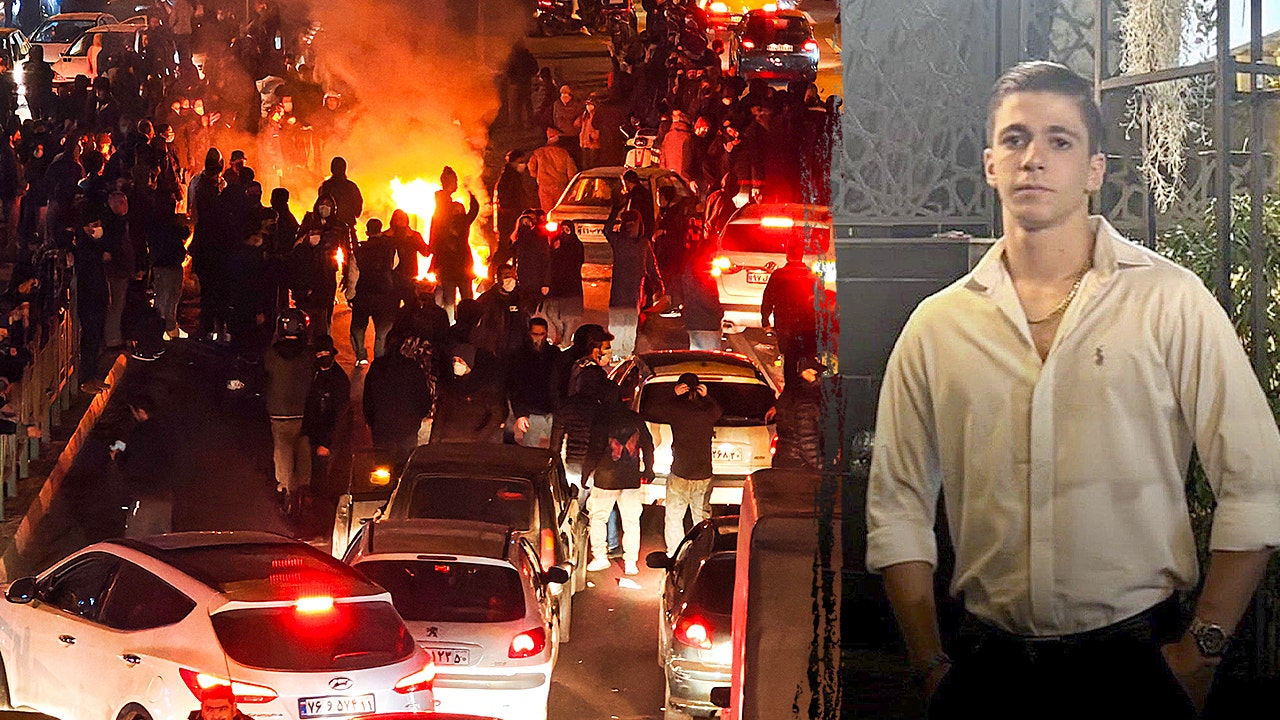
Amid Tehran's chaos, Reza Hosseini, Amir's father, has scoured morgues for days, clutching faded photos of his son, a promising boxer known for his quiet determination and community spirit. Confirmed reports detail how security forces gunned down Amir during protests on January 9, his body later identified by heartbroken friends. Neighbors recall Amir training youth in local gyms, dreaming of Olympic glory despite economic hardships. His death has ignited local vigils, with residents whispering defiance in alleyways. "He was our hope," one mourner told Reuters. This personal tragedy underscores the unconfirmed but widespread reports of hundreds detained, families shattered, and a generation radicalized by grief.
Historical Echoes: State Violence Through the Ages
These events echo Iran's grim pattern of repression. Protests ignited on January 1 against Khamenei, gaining foreign support by January 2, and turning deadly by January 4 with 16 confirmed deaths. On January 7, demonstrators renamed a Tehran street for former U.S. President Trump, signaling bold anti-regime sentiment. This mirrors the 2009 Green Movement, where post-election fraud sparked massive rallies crushed by Basij militias, killing dozens and injuring thousands. Earlier, the 1999 student uprising and 2019 fuel protests—met with live fire and internet blackouts—show evolution: from blunt force to sophisticated surveillance. Today's crackdowns, blending lethal force with digital censorship, suggest a regime cornered yet unrelenting, testing protesters' resolve as unrest grows.
The Role of Public Sentiment and International Response
Social media has amplified these voices, bypassing state blocks. A viral tweet from @IranProtesterIR read: "Amir Hosseini, boxer with dreams bigger than fear—killed for chanting freedom. #IranRevolt" (50K retweets). Another, @TehranWitness: "Father roams morgues while world watches. Enough!" Public sentiment inside Iran shifts toward unity, with women leading chants echoing Mahsa Amini's 2022 death. Globally, the U.S. State Department condemned the violence, urging sanctions; EU leaders echoed calls for restraint. Unconfirmed reports hint at covert aid to protesters, fueling speculation of broader repercussions.
What This Means: Looking Ahead
Escalation looms: Iranian authorities may intensify crackdowns, risking more deaths and defections in security ranks. Internal pressure could force policy concessions, like economic reforms, though unlikely under Khamenei. Internationally, expect tightened sanctions targeting IRGC elites, potentially isolating Iran further. A tipping point—mass defections or regional protests—remains possible if human stories like Amir's sustain momentum. The world must remain vigilant and responsive to the unfolding situation in Iran.
This is a developing story and will be updated as more information becomes available.
(Word count: 608)