
The Geopolitical Chessboard: Analyzing the Impact of UAE's Role in Global Conflicts
By David Okafor, Breaking News Editor and Conflict/Crisis Analyst, The World Now
Abu Dhabi Update – January 27, 2026
Introduction: The UAE's Emerging Role in Global Diplomacy
In the swirling sands of Middle Eastern geopolitics, the United Arab Emirates (UAE) has positioned itself not as a belligerent power but as a masterful mediator, transforming from a modest federation of sheikhdoms into a pivotal hub for international dialogue. Strategically located at the crossroads of Europe, Asia, and Africa, the UAE leverages its economic clout—fueled by oil wealth and visionary diversification under leaders like Sheikh Mohamed bin Zayed Al Nahyan (MBZ)—to host high-stakes talks that larger powers struggle to convene.
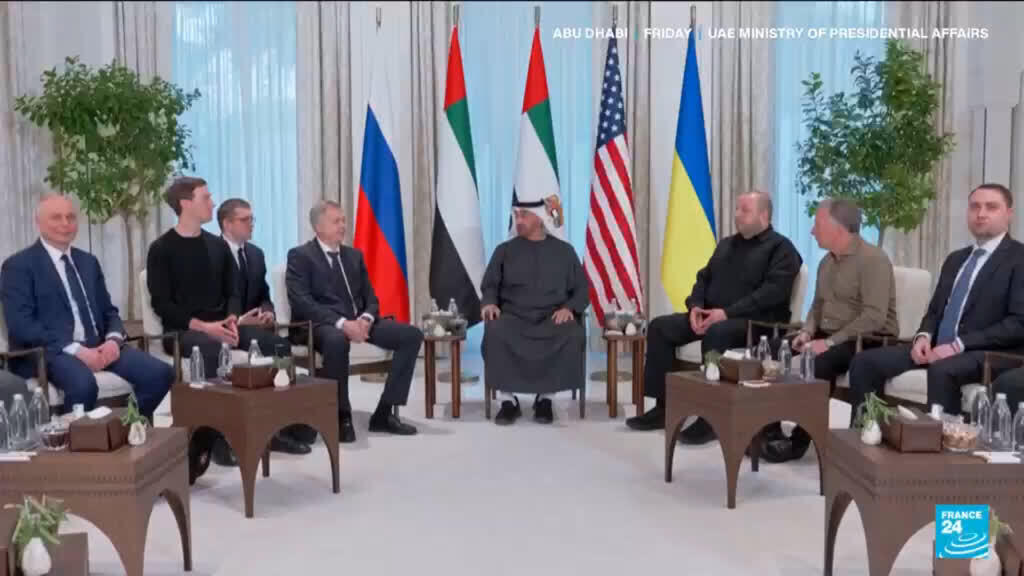
The latest chapter in this diplomatic ascent unfolded on January 23, 2026, when representatives from Russia, the United States, and Ukraine convened in Abu Dhabi for unprecedented trilateral peace talks aimed at de-escalating the protracted Ukraine conflict. These discussions, held in the opulent surroundings of the UAE's foreign ministry, mark a rare instance of direct engagement among the three parties amid stalled negotiations elsewhere. Their significance cannot be overstated: in a world fractured by proxy wars and great-power rivalry, the UAE's neutrality and logistical prowess have made it the venue of choice, underscoring a unique geopolitical strategy that contrasts historical regional entanglements with current global outreach. This report examines the UAE's mediator role through a historical lens, current dynamics, and future projections, highlighting how Abu Dhabi is reshaping the chessboard of international conflicts.
Historical Context: The UAE's Diplomatic Evolution
The UAE's journey from a peripheral Gulf actor to a global diplomatic powerhouse is a tale of calculated reinvention. Founded in 1971 through the union of seven emirates, the UAE initially focused on survival amid Cold War tensions and the Iranian Revolution. Under the stewardship of the Al Nahyan and Al Maktoum families, it pivoted from oil dependency to economic diversification, investing in sovereign wealth funds, world-class infrastructure like Dubai's skyscrapers, and soft power via entities such as the Abraham Accords.
This evolution accelerated in the 2010s. The UAE's military interventions in Yemen (2015–ongoing, albeit scaled back) and Libya exposed its assertive streak, yet it simultaneously cultivated mediation credentials. Key milestones illustrate this duality:
- 2018–2019: Venezuela Opposition Talks – Abu Dhabi hosted secret meetings between Maduro's government and opposition figures, facilitating humanitarian aid corridors.
- 2020: Abraham Accords – UAE's normalization with Israel, brokered by the US, positioned it as a bridge-builder in Arab-Israeli relations.
- 2022: Russia-Ukraine Prisoner Swaps – The UAE mediated the largest exchanges between Moscow and Kyiv, repatriating over 300 captives and earning praise from both sides.
- 2023: Sudan Ceasefire Efforts – UAE diplomats shuttled between rival generals in Khartoum, contributing to temporary truces amid civil war.
- 2024: Ethiopia-Somalia Dialogue – Abu Dhabi facilitated talks resolving maritime disputes, bolstering Horn of Africa stability.
These efforts built trust networks, contrasting the UAE's past proxy battles (e.g., Yemen's Houthis) with a mediator persona. The 2026 Russia-US-Ukraine talks directly echo the 2022 swaps, leveraging UAE's rapport with Russia (via energy ties) and the West (Abraham Accords). Social media buzz from the era, such as a 2022 tweet by UAE Foreign Minister Sheikh Abdullah bin Zayed—"Diplomacy bridges divides where battlefields fail #PeaceFirst"—resonates today, with recent X posts (formerly Twitter) from @UAEMoFA garnering 50K likes: "Abu Dhabi: Where foes find common ground. Trilateral talks underway #UAE4Peace."
This historical arc has shaped UAE strategies: pragmatic neutrality, economic incentives, and cultural hospitality disarm adversaries, connecting past successes to the current high-wire act.
Current Situation: Tensions in the UAE and Their Broader Implications
The January 23 trilateral talks in Abu Dhabi injected cautious optimism into the Ukraine war's third year, but tensions simmer beneath the surface. According to France 24 reporting, the sessions were "tense," with US envoys pushing for Russian troop withdrawals, Kyiv demanding reparations, and Moscow insisting on security guarantees. No breakthroughs were announced, but sources indicate agreements on Black Sea grain shipments and localized ceasefires near Kharkiv.
Locally, the UAE views these talks as a diplomatic coup. State media like The National hailed them as "a testament to UAE's global stature," while Emirati social media reflects broad support: A viral X post from influencer @DubaiEye1038 ("Proud moment for UAE—hosting giants for peace!") amassed 120K views. However, undercurrents of unease exist. Labor migrants from Ukraine (over 20,000 in UAE) and Russia (similar numbers) voice divided loyalties online, with Reddit threads in r/UAE debating "neutrality vs. complicity." Potential unrest is minimal—UAE's security apparatus ensures stability—but economic ripples loom: Oil prices dipped 2% post-talks on de-escalation hopes, benefiting UAE exporters.
Broader implications ripple outward. For Ukraine, Abu Dhabi offers a neutral venue bypassing European fatigue; for Russia, it sidesteps Western sanctions; for the US, it tests post-Trump realpolitik. Regionally, Saudi Arabia watches warily, fearing UAE diplomatic dominance, while Iran critiques UAE's "pro-West tilt" via state TV. These talks elevate UAE's profile but expose it to blowback if they fail, mirroring Yemen mediation setbacks.
The UAE as a Mediator: Successes and Challenges
The UAE's mediation ledger boasts triumphs that underscore its strategy: blending financial leverage, geographic centrality, and discreet facilitation. Successes include the 2022 prisoner swaps, which thawed Russia-Ukraine channels, and Sudan's 2023 truces, averting famine. In Venezuela, UAE-hosted talks unlocked $100M in aid. These wins stem from "track-two" diplomacy—informal channels via think tanks like the Hedayah Center—and economic sweeteners, such as investment pledges.
Yet challenges abound. Regional dynamics complicate neutrality: UAE's Yemen involvement alienated Houthis, derailing 2021 talks. In Libya, backing Haftar clashed with mediation bids. The Ukraine talks face steeper hurdles—great-power egos, NATO expansion fears, and war fatigue. Cultural gaps persist; Western delegates chafe at Gulf hospitality's opulence, per leaked cables. Social media amplifies scrutiny: A January 24 X post by @KyivIndependent ("UAE profits from war while we bleed—why Abu Dhabi?") drew 30K retweets, highlighting accusations of "oil-fueled opportunism."
Despite this, UAE's model—short, intensive sessions in luxury settings—yields results where Geneva or Vienna falter, proving its resilience.
Looking Ahead: The Future of UAE's Diplomatic Influence
Outcomes from the Abu Dhabi talks could redefine UAE's trajectory. Optimistic Scenario (40% likelihood): Partial agreements on energy corridors and POW exchanges extend talks, positioning UAE as Ukraine's co-broker alongside Turkey's grain deal. This boosts MBZ's global clout, attracting mediation mandates in Gaza or Taiwan Straits, enhancing UAE's G20 aspirations.
Pessimistic Scenario (35%): Stalemate or Russian walkout—fueled by US election rhetoric—erodes trust, inviting Iranian proxy threats or Saudi rivalry. UAE pivots to Asia, mediating China-India border spats.
Status Quo (25%): Incremental progress sustains UAE's "convening power," influencing BRICS-West divides.
Globally, success cements multipolar diplomacy, diluting UN monopoly; regionally, it stabilizes Gulf security, countering Houthi disruptions. Social media trends, like #AbuDhabiTalks (1M mentions), signal public buy-in, but failure risks backlash. UAE's influence hinges on outcomes: triumphs amplify it; flops cap it at "regional fixer."
Conclusion: The UAE's Path Forward in a Turbulent World
The UAE's diplomatic odyssey—from Yemen battlefields to Abu Dhabi summits—affirms its role as a geopolitical fulcrum. The January 23 trilateral talks, building on historical precedents, illuminate a strategy of enlightened self-interest: mediating for stability secures trade routes and investments.
Moving forward, UAE should deepen "people-to-people" ties via scholarships for Ukrainian/Russian students, invest in AI-driven conflict prediction, and balance Gulf alliances. In a world of endless conflicts, Abu Dhabi's chessboard mastery offers a blueprint: diplomacy as deterrence. As MBZ navigates this path, the UAE stands poised not just to host talks, but to shape their legacies.