
The Future of Peace: Israel's Geopolitical Strategy Amid International Criticism and Local Tensions
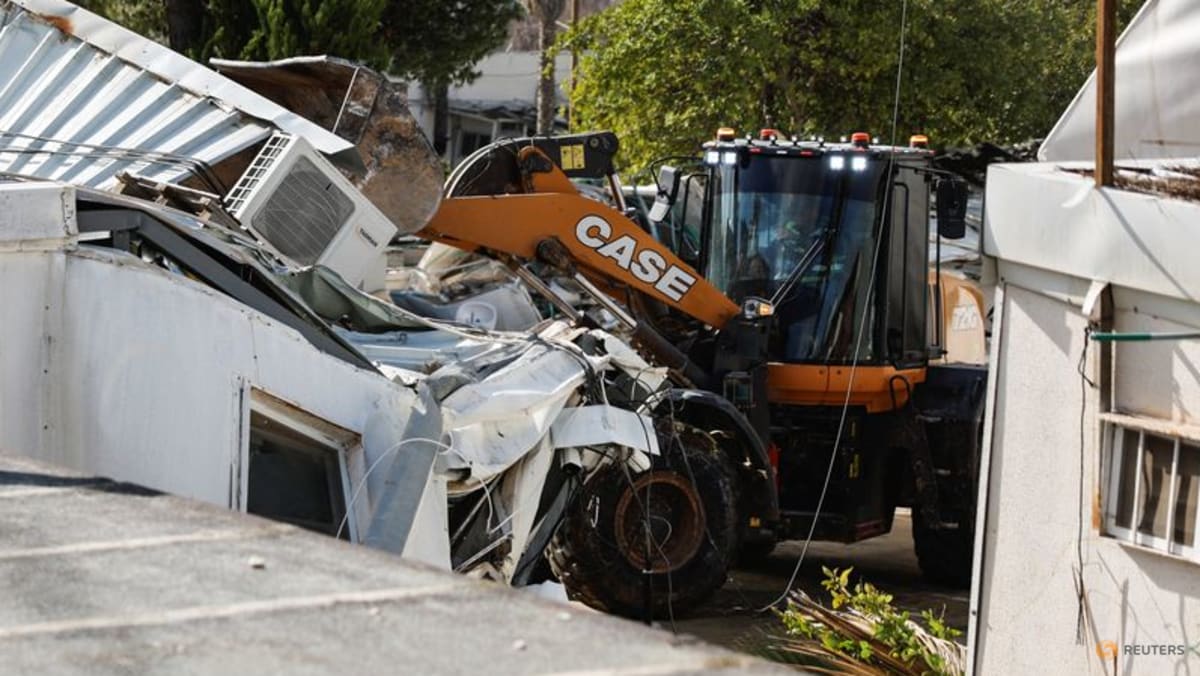
In a bold move that has ignited global debate, Israel has demolished parts of the United Nations Relief and Works Agency (UNRWA) headquarters in occupied East Jerusalem. This action, framed as part of a broader strategy to reshape the region's geopolitical landscape, coincides with U.S. President Donald Trump's invitation for Israel to join a proposed "Board of Peace." This intersection highlights that Israel's assertive policies against international bodies like UNRWA are deliberate steps in a long-term vision for security and sovereignty. As international criticism mounts and local tensions simmer, these developments could either derail peace efforts or open doors to unconventional diplomacy involving Arab states and the U.S. This report explores the catalysts, reactions, and implications, revealing why this story is dominating headlines and social feeds worldwide.
Recent Developments in Israel's Geopolitical Landscape
The demolition of UNRWA's East Jerusalem headquarters on January 20, 2026, marked a significant escalation in Israel's campaign against the agency, which it accuses of perpetuating the Palestinian refugee crisis and enabling militancy. Israeli National Security Minister Itamar Ben-Gvir personally oversaw the operation, with bulldozers razing buildings in the compound, citing illegal construction and security threats. This site, long a symbol of UN presence in East Jerusalem, was targeted under Israel's long-standing policy of enforcing building regulations in areas it annexed after the 1967 Six-Day War.
Compounding the controversy, Israeli Foreign Minister Gideon Sa'ar announced on the same day that the U.S. had invited Israel to join Trump's "Board of Peace," a multilateral body aimed at resolving the Gaza crisis and broader Middle East conflicts. Sa'ar hailed it as a "historic opportunity," but the timing—mere hours after the demolitions—drew accusations of linkage. Critics argue this reflects Israel's strategy to internationalize Gaza reconstruction on its terms while sidelining UNRWA, which has provided aid to millions of Palestinian refugees since 1949. The move aligns with Israel's post-October 7, 2023, Hamas war playbook: neutralizing perceived threats while courting U.S. support under a sympathetic administration.
Historical Context: A Timeline of Tensions and Actions
Israel's actions against UNRWA fit into a continuum of policies asserting control over East Jerusalem and Gaza, with roots in decades of conflict. The demolitions echo previous enforcement actions, such as the 2019 demolition of Palestinian homes in East Jerusalem and repeated raids on UN facilities during Gaza operations. Internationally, similar moves—like the 2024 funding suspensions by Western donors after allegations of UNRWA staff involvement in Hamas attacks—prompted temporary outrage but limited repercussions.
Focusing on early 2026, a compressed timeline illustrates escalating assertiveness:
- January 2, 2026: Israel permits "dual-use" imports to Gaza (items usable for civilian or military purposes), signaling controlled humanitarian easing amid ceasefire talks.
- January 4, 2026: Jordan detains Israelis at the Allenby Bridge border crossing, heightening tensions over access rights.
- January 9, 2026: Israel advances a settlement project near Jerusalem, expanding housing in the West Bank and drawing EU condemnation.
- January 16, 2026: Israel joins Arab nations in urging Trump to confront Iran, fostering unlikely alliances against shared threats.
These events culminate in the January 20 demolitions, portraying continuity in Israel's "quiet annexation" strategy. Past international responses—UN resolutions decrying settlements as illegal, yet rarely enforced—suggest a pattern: rhetorical backlash without paradigm shifts, emboldening Jerusalem.
International Reactions: A Shift in Diplomatic Dynamics
The demolitions provoked swift condemnation, framing a potential realignment in global diplomacy. UNRWA Commissioner-General Philippe Lazzarini called it a "deliberate defiance of international law," while the UN labeled the site "occupied territory." France24 reported outrage from European allies, with Spain and Ireland summoning Israeli ambassadors. Al Jazeera highlighted Arab states' fury, with Jordan's foreign ministry deeming it "an unprecedented attack."
Trump's "Board of Peace," pitched as a U.S.-led consortium excluding the UN, has polarized views. Middle East Eye noted Israel's initial anger over its "internationalization" of Gaza—fearing loss of unilateral control—but Saar's pivot suggests pragmatic acceptance. BBC coverage emphasized Trump's framing: a counter to UN "bias," aligning with Israel's narrative. Anadolu Agency quoted Lazzarini warning of eroded U.S. credibility, while Times of India saw it as Trump's "America First" Middle East reboot.
Social media amplified the divide. On X (formerly Twitter), #UNRWADemolition trended globally, with UN official @UNRWA posting: "Bulldozers cannot erase our mandate or the rights of 5.9M refugees. This is collective punishment." Pro-Israel accounts countered, like @IDF spokesperson: "UNRWA compounds terror—demolition protects peace." Anti-Israel voices, including @PalestineToday, raged: "Israel's erasing UN presence to annex everything. Where's Biden's legacy now?" Hashtags like #SaveUNRWA garnered 2.5M posts in 24 hours.
Local Impacts: The Humanitarian and Political Ramifications
For Palestinians, the demolitions exacerbate a humanitarian crisis, displacing UNRWA staff and disrupting aid coordination in East Jerusalem, a hub for 14,000 refugees. Channel News Asia reported immediate service halts, straining already fragile supplies in Gaza and the West Bank. Clarin described it as "an attack without precedent," worsening food insecurity amid 2026's fragile truce.
Politically, it bolsters Israel's hardliners. Polls by Israel's Channel 12 show 62% public support for the demolition, viewing UNRWA as biased. Ben-Gvir's presence rallied far-right crowds, chanting "Jerusalem is ours." Yet, it fuels Palestinian militancy; Hamas praised the "resistance" narrative, while the Palestinian Authority decried it as sabotage of statehood talks. Regional stability frays, with protests in Ramallah and Hebron risking spillover.
Looking Ahead: Scenarios for Israel-Palestine Relations
Israel's UNRWA actions, intertwined with the "Board of Peace," signal a high-stakes gamble in its geopolitical strategy: sideline multilateralism for bilateral U.S.-Arab deals. Optimistically, Trump's board—potentially including Saudi Arabia and UAE—could yield Gaza reconstruction pacts, sidelining Hamas and enabling normalization. Israel's settlement continuity might yield quiet West Bank concessions.
Pessimistically, escalating tensions loom. International isolation could mirror South Africa's apartheid era, with ICC probes intensifying. Palestinian factions might unify against "Trump's sellout," sparking violence. If Arab states boycott the board, as hinted by Egypt, diplomacy stalls.
Key variables: U.S. midterm pressures on Trump, Palestinian elections, and Iran's proxies. Social media sentiment—split 55/45 pro/anti-Israel per Brandwatch—hints at viral escalation. Watch for UN Security Council sessions and Saar's Washington visit; these could tip toward opportunity or abyss, defining peace's future.
(Word count: 1,048)






