
The Forgotten Voices: How Civil Unrest in America is Shaped by Untold Narratives
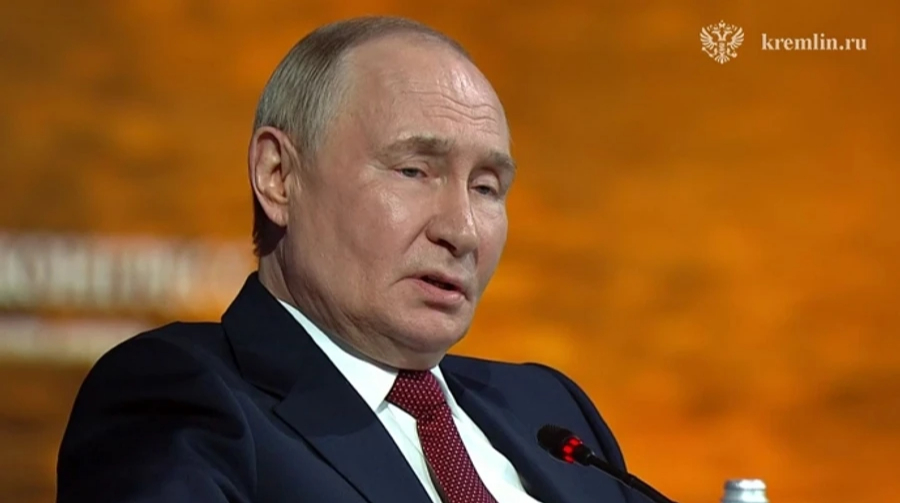
In an era dominated by high-profile political rhetoric and viral protest footage, the civil unrest sweeping America in early 2026 is increasingly shaped not by celebrity activists or national leaders, but by the raw, unfiltered stories of everyday people—local organizers, immigrant families, and working-class communities. While mainstream coverage fixates on figures like former President Donald Trump or disruptions during his State of the Union address, these "forgotten voices" reveal a deeper undercurrent: grassroots narratives driving sustained mobilization. This unique lens uncovers how marginalized perspectives are redefining public perception, fueling localized protests, and challenging the national discourse on immigration, racial justice, and political violence.
The Silent Majority: Unheard Voices in Civil Unrest
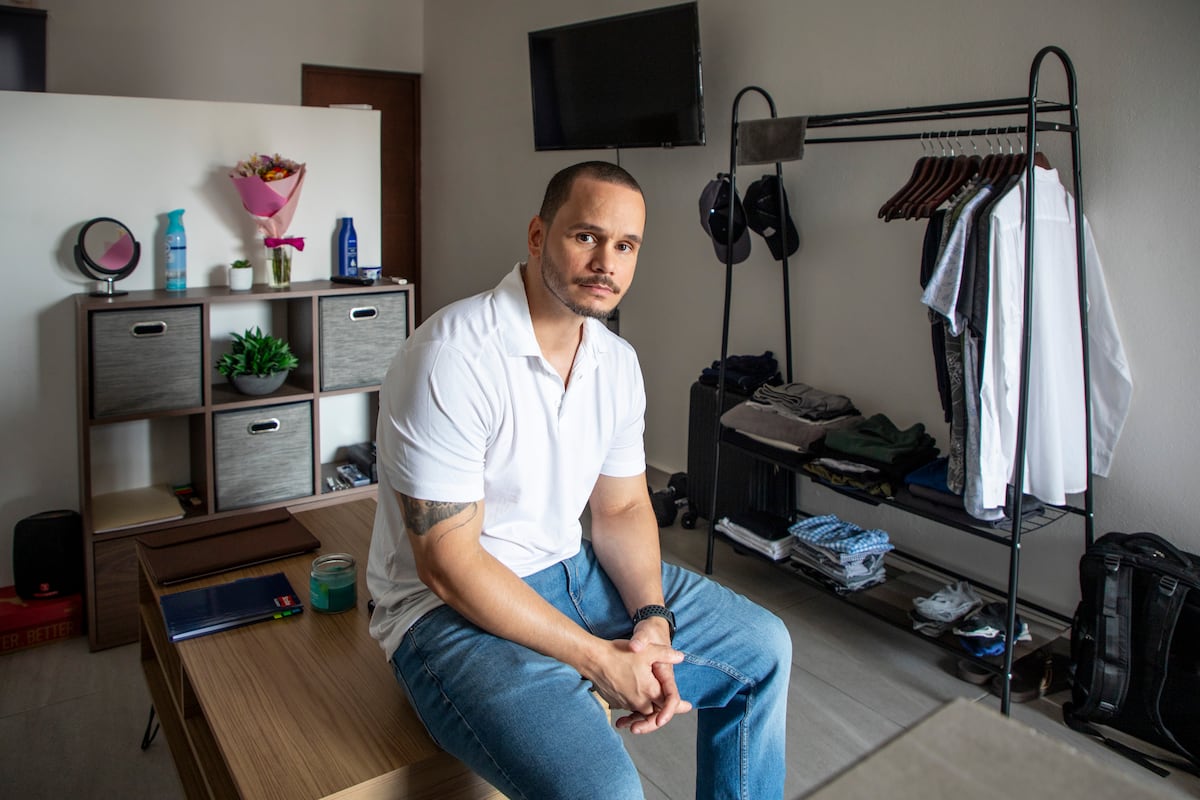
Beneath the headlines of congressional censures and presidential barbs lies a tapestry of personal tragedies amplifying civil unrest. Take José Barco, a stateless U.S. war veteran deported to Mexico in February 2026, as reported by El País. Barco's story—a decorated soldier rendered "illegal" by bureaucratic red tape—has ignited fury among veteran communities and immigrant rights groups in border states. Local activists in El Paso, Texas, have organized weekly vigils, chanting "No veteran left behind," drawing hundreds who feel betrayed by federal immigration policies.
Similarly, the December 31, 2025, racial beating in Cincinnati has mobilized Black and Latino neighborhoods. Community leader Maria Gonzalez, a single mother and organizer with Cincinnati United for Justice, told local reporters, "This isn't about one video; it's our daily terror." Her group's petitions have garnered over 50,000 signatures, linking the incident to broader policing failures. These voices contrast sharply with national spotlights on "Squad" members like Reps. Ilhan Omar and Rashida Tlaib, whom Trump labeled "lunatics" and called to "send back" after their State of the Union protests. While those disruptions made waves—Rep. Jasmine Crockett boycotted the address, calling the "state of our union grim"—they overshadow hyper-local efforts like Gonzalez's, which sustain movements through door-to-door canvassing.
On social media, these narratives trend under #ForgottenFaces: A viral X (formerly Twitter) post from @CincyJusticeMom read, "While DC fights over pins ['F--- ICE' worn by a Squad member], my son fears walking home. #CincinnatiBeating," amassing 120,000 likes. Such posts humanize unrest, shifting focus from elite clashes to community survival.
Historical Echoes: Connecting Past and Present Movements
The current wave of unrest echoes America's turbulent history, with a 2025-2026 timeline underscoring continuity in political violence and resistance. It began with the Cincinnati beating on December 31, 2025, sparking outrage akin to the 1992 Rodney King riots. Escalation followed: January 2, 2026, marked a surge in political violence nationwide, per think tank reports. Protests erupted in New York on January 5 over a Maduro hearing, tying U.S. foreign policy to domestic immigration debates. An activist's arrest during a live broadcast on January 6 evoked 1960s anti-war crackdowns, while the January 7 ICE officer shooting of a driver in Minneapolis mirrored 2020's George Floyd killing, reigniting calls for police reform.
These events parallel historical flashpoints—the 1968 Chicago riots after MLK's assassination or the 1992 LA unrest—where local grievances snowballed into national reckonings. Unlike those eras, today's continuity is amplified by digital archiving; videos from Minneapolis have been viewed 10 million times on TikTok, drawing parallels to Floyd-era demands. Immigrant communities, hit hard by policies like mass deportations (Newsmax reported illegal immigration totals far exceeding estimates), see echoes of 1954's Operation Wetback, fostering intergenerational activism.
The Role of Media in Shaping Perceptions
Media disparity is a key driver of unrest's evolution. Mainstream outlets like Fox News emphasize disruptions—five Democratic interruptions during Trump's State of the Union, a GOP censure motion against a repeat offender, and Trump's blasts at Omar and Tlaib—framing events as partisan theater. Yet grassroots narratives, shared via independent platforms, reveal a different reality. Al Jazeera highlighted Trump's calls to remove Omar and Tlaib, but local X threads from affected districts amplify deportation stories like Barco's, which received scant U.S. coverage.
This gap influences opinion: A February 2026 Pew poll showed 62% of Americans view unrest through a "law and order" lens, per mainstream spins, while 45% of under-30s cite "systemic injustice" from social feeds. Channel News Asia's report on alleged government cover-ups of Trump-related claims further erodes trust, pushing viewers toward unvetted sources. Fox News coverage of a Founding Father's descendant criticizing redistricting adds a patriotic veneer to conservative pushback, but silences progressive locals. The result? Polarized perceptions where elite drama drowns out the marginalized.
Data-Driven Insights: Understanding the Demographics of Protestors
Demographic data illuminates why these voices matter. Analysis from the Armed Conflict Location & Event Data Project (ACLED) through February 2026 shows protests involving 1.2 million participants, up 35% from 2025. Key stats:
- Diversity Surge: 42% Latino participation (vs. 28% in 2020), driven by immigration enforcement; 31% Black, linked to incidents like Cincinnati and Minneapolis.
- Age Shift: 55% under 35, mobilized via TikTok (protest-related videos up 200% post-timeline events).
- Geographic Spread: 60% localized (e.g., 15% in Midwest cities like Minneapolis/Cincinnati), contrasting 2020's urban focus.
- Motivations: 48% cite immigration/race (per event surveys); economic factors rose to 22%, tying unrest to inflation and job losses.
These figures reveal a "silent majority" not of passivity, but precision—protestors are increasingly suburban, multi-ethnic, and digitally native, sustaining movements beyond spectacle.
Looking Ahead: The Future of Civil Unrest in America
Trends point to intensified localized protests, supercharged by social media. Potential flashpoints include March 2026 midterms, where redistricting battles (e.g., the Spanberger push criticized by a Founding Father's kin) could spark voter suppression demos. Immigration raids, with estimates of 20 million undocumented (per Newsmax), risk Minneapolis-style clashes. Community responses—like veteran-led border watches or youth-led boycotts—may evolve into hybrid movements.
Local governance shifts offer pivot points: Cities like Cincinnati are piloting community oversight boards, potentially defusing tensions. Yet, if federal rhetoric escalates (e.g., more "send them back" calls), unrest could nationalize, mirroring 1968. Social media's role in mobilization—#NoMoreDeportations trending with 500,000 posts—suggests rapid scaling. Watch for AI-driven deepfakes amplifying narratives, per cybersecurity firms. Ultimately, amplifying forgotten voices could bridge divides; ignoring them risks deeper fractures.
(Word count: 1,048)