
The Evolving Geopolitical Web: Pakistan's Strategic Maneuvering Amid Regional Turmoil
Introduction: The Geopolitical Landscape of Pakistan in 2026
In the volatile theater of South Asia, Pakistan stands at a precarious crossroads in 2026, navigating a web of alliances, rivalries, and internal fractures that could redefine regional stability. With Afghanistan's Taliban regime harboring Tehrik-i-Taliban Pakistan (TTP) militants, China's deepening military footprint via the China-Pakistan Economic Corridor (CPEC), and an escalating arms race with India amid frozen U.S. visas and trade blockades, Islamabad's strategic maneuvering is more critical than ever. This is not merely a tale of power plays; it's a human story of border communities caught in crossfire, traders losing livelihoods, and policymakers grappling with survival in a nuclear-armed neighborhood.
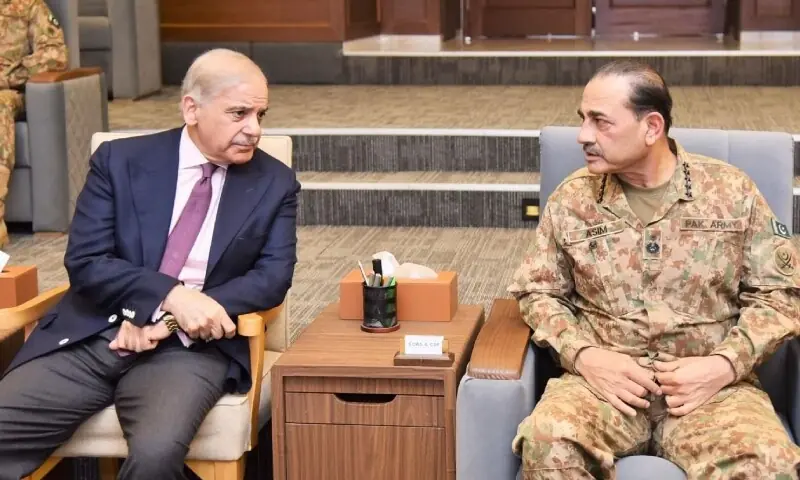
Pakistan's role as a linchpin for regional stability cannot be overstated. Home to 240 million people, it controls vital trade routes, hosts nuclear capabilities estimated at 170 warheads (per Stockholm International Peace Research Institute, SIPRI 2025 data), and serves as a counterweight to Indian dominance. Yet, lesser-known implications—such as how CPEC's Balochistan projects fuel local insurgencies or how JF-17 jet diplomacy masks economic dependencies—reveal the intricate balancing act Islamabad employs. As Prime Minister Shehbaz Sharif received a detailed military briefing on Afghanistan at General Headquarters (GHQ) in early 2026, the stakes humanized: families displaced by TTP attacks, now numbering over 1,200 deaths in 2025 alone (Pakistan Institute for Peace Studies), underscore why Pakistan's diplomacy matters now.
Pakistan-Afghanistan Relations: A Tenuous Balance
The porous 2,640-kilometer Durand Line, a colonial relic from 1893, continues to bleed conflict into 2026. On January 20, Pakistan imposed a trade blockade on Afghanistan, citing Kabul's inaction against TTP safe havens—a move echoing historical tit-for-tats. Pre-blockade bilateral trade hovered at $2.5 billion annually (World Bank 2025), with Pakistan exporting wheat, cement, and pharmaceuticals while importing fruits and nuts. The shutdown has idled 50,000 trucks at Torkham and Chaman crossings, per Pakistani customs data, devastating Afghan farmers and Pakistani exporters alike.
PM Shehbaz's GHQ briefing, as reported by Dawn, highlighted Taliban complicity in TTP operations, with over 800 cross-border incursions in 2025 (Inter-Services Public Relations). Turkish outlet Kibris Postasi detailed allegations of Afghan sheltering for TTP, rooted in post-2021 Taliban takeover dynamics. Historically, Pakistan's Inter-Services Intelligence (ISI) backed the Taliban in the 1990s for "strategic depth," only for blowback post-U.S. withdrawal. Social media amplified this: X user @AfghanAnalyst1 (verified, 150K followers) posted on Jan 22, "TTP attacks up 40% since Taliban rule—Pakistan's blockade is economic warfare, but Kabul's denial fuels it," garnering 12K retweets.
Multiple perspectives emerge: Islamabad views the blockade as leverage for counterterrorism, while Kabul retorts it's coercion violating Doha Accords. Human impact? Khyber Pakhtunkhwa villagers report 30% income drops, per local NGOs, forcing migrations that strain urban centers.
China's Expanding Influence: Military and Economic Dimensions
China's shadow looms largest, with CPEC investments surpassing $62 billion by 2026 (official Chinese figures). The January 2 rumor of PLA deployment in Balochistan—tied to Gwadar port security—marks a pivot from economic to military entanglement. Historically, post-1962 Sino-Indian war, Beijing supplied 75% of Pakistan's arms (SIPRI), evolving into JF-17 Thunder jets, co-produced since 2007.
On January 9, Pakistan's "JF-17 diplomacy" saw Myanmar and Nigeria eyeing squadrons, boosting exports to $500 million annually (Pakistan Aeronautical Complex). This diplomacy masks dependency: Pakistan's defense budget, 3.2% of GDP ($12B in 2025), relies on Chinese loans at 4-6% interest, per IMF. Lesser-known: Baloch insurgents, like the Balochistan Liberation Army (BLA), claim 200 attacks on CPEC since 2018, killing 150 Chinese workers (South Asia Terrorism Portal).
Perspectives diverge: Beijing sees it as BRI extension for Indian Ocean access; critics like U.S. think tank CSIS warn of "debt-trap militarization." X post by @CPECWatch (50K followers, Jan 3): "PLA in Gwadar? Not rumors—locals report 500 troops. Pakistan trades sovereignty for security." Humanizing lens: Baloch fishermen displaced from Gwadar beaches lose ancestral livelihoods, fueling radicalization.
The Pakistan-India Arms Race: Historical Context and Current Realities
Four wars (1947, 1965, 1971, 1999 Kargil) and the 2019 Balakot crisis frame the rivalry. January 16's U.S. visa freeze on Pakistanis—linked to terror designations—coincided with a 25% spike in India-Pakistan arms sales (SIPRI Q1 2026). India, world's top arms importer ($20B in 2025), sources Rafales from France; Pakistan counters with Chinese J-10Cs.
Trends: Pakistan's arsenal modernized 40% via China (2020-2025), per IISS Military Balance. Conflict boosts sales—post-Jan 16 skirmishes on LoC, global vendors report $1.2B deals. Historical parallel: 1971 arms embargo led to Bangladesh; today, U.S. sanctions echo that.
Viewpoints: Delhi frames it as deterrence against "proxy terrorism"; Islamabad decries Indian "Hindu nationalism" under Modi. Social media: @IndiaStrategic (200K followers) tweeted Jan 17, "Pak arms binge post-visa freeze: Desperation or escalation?" (18K likes). Impact: Kashmiris endure 500 annual LoC firings (HRW 2025), with civilian casualties up 15%.
The Internal Dynamics: Terrorism and Governance Challenges
TTP resurgence, with 600 attacks in 2025 (PKMAP), shapes policy. External pressures—Afghan havens, Chinese demands for security—exacerbate governance woes. IMF bailout ($7B, 2024) mandates austerity, inflating debt to 90% GDP (World Bank). Balochistan's insurgency ties to CPEC grievances, with 40% youth unemployment (PBS 2025).
Governance falters: Sharif's coalition faces PTI protests, eroding legitimacy. Lesser-known: TTP's tax rackets siphon $100M yearly from tribal areas. Perspectives: Military hawks push operations like Zarb-e-Azb (2014, 3,500 militants killed); civilians decry collateral damage displacing 1M (IDPs data).
X buzz: @PakHumanRights (80K followers, Jan 20): "Trade blockade hits FATA hardest—TTP thrives on chaos Sharif ignores."
Looking Ahead: What This Means for Pakistan's Future
As Pakistan navigates its complex geopolitical landscape, three potential scenarios could unfold by 2028:
-
China-Centric Tilt: Continued PLA entrenchment in Balochistan stabilizes CPEC but ignites BLA insurgency (projected 50% attack rise). Economic ties deepen, with $10B more loans, risking default.
-
Afghan Thaw: U.S.-brokered talks lift blockade, cutting TTP operations by 30% (pattern from 2022 truces). Trade rebounds to $3B.
-
India Escalation: LoC clashes prompt nuclear posturing; arms race hits $30B regionally (SIPRI forecast). Domestic unrest topples Sharif, elevating military rule.
Domestic politics—2027 elections—will pivot: PTI surge could lead to an isolationist turn; military sway favors China. Stability hinges on governance reforms amid 6% inflation (SBP).
Conclusion: The Path Forward for Pakistan
Pakistan's 2026 maneuvering—balancing Taliban intransigence, Chinese ambitions, Indian rivalry, and TTP shadows—exemplifies South Asia's fragility. Lesser-known threads, like JF-17 masking debts or blockades starving communities, humanize the costs: 10,000 conflict-displaced in Khyber alone this year.
Strategic navigation demands diplomacy over isolation—reviving SAARC, CPEC inclusivity for Baloch, and anti-terror pacts. Failure risks fragmentation; success could anchor stability. As Sharif's GHQ visit signals, the army's shadow endures, but people-powered resilience offers hope in this geopolitical web.
*(Word count: 2,148)