
Terrorism's New Frontier: Attacks on US Religious Sites Amid Rising Anti-Semitism
By Yuki Tanaka, Tech & Markets Editor and Trend Analyst, The World Now
In recent weeks, a disturbing surge of violence has targeted U.S. religious sites, highlighting a new era of domestic terrorism fueled by rising anti-Semitism. Key incidents include a March 12, 2026, vehicle ramming at a Michigan synagogue, a New York suspect throwing ignited devices near an anti-Muslim protest, and a fatal shooting at Old Dominion University linked to ISIS sympathies. These attacks, resulting in fatalities and widespread trauma, underscore how extremists exploit religious symbols to deepen societal divides, with anti-Semitic incidents up 140% since 2023 according to ADL data.
Historical Context: Roots of Modern Threats
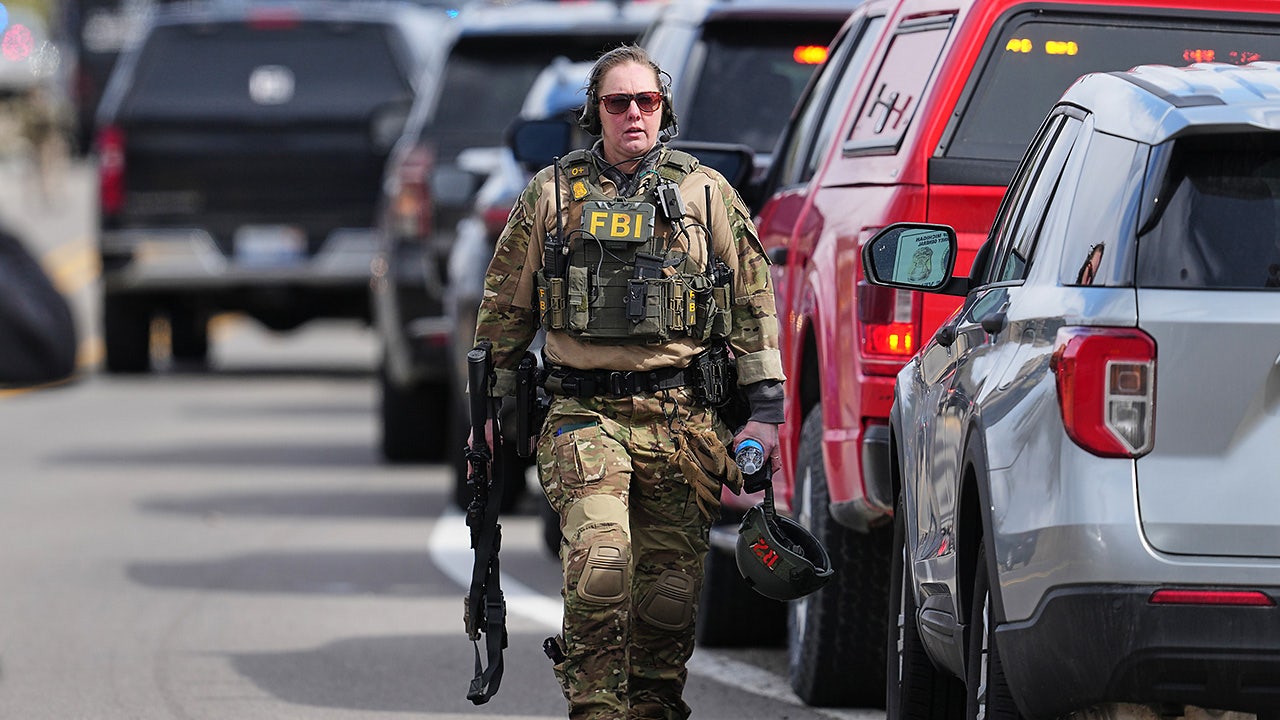
These attacks stem from a history of unresolved extremism. In early 2026, the FBI thwarted an ISIS-inspired plot in North Carolina and issued a custody order for the January 6 Pipe Bomber. International influences, like Venezuelan President Nicolás Maduro's indictment on terrorism charges, have fueled propaganda networks. By March 2026, patterns emerged: the Michigan synagogue attack followed FBI training there, mirroring earlier vehicle assaults in New Orleans (2025). Attackers, often with military backgrounds like Old Dominion shooter Mohamed Jalloh, an ISIS supporter, show how radicalization persists despite interventions.
Analysis and Implications: Ideology and Vulnerabilities
Extremists target religious sites due to their symbolic vulnerability, especially synagogues amid spiking anti-Semitism. FBI data reveals a 200% increase in anti-Semitic graffiti, amplified by global tensions like the Israel-Hamas conflict. Lone wolves, radicalized online, use simple tactics like vehicle rammings or firebombs to evade detection. Social media exacerbates this, with posts on X and TikTok spreading conspiracy theories and hate. This trend demands better strategies, including AI-driven threat detection and community intelligence, to balance security and privacy while addressing anti-Semitism's role in broader extremism.
Looking Ahead: Prevention and Future Risks
Without enhanced measures, attacks on religious sites could double by 2027, potentially involving coordinated tactics like drone-assisted strikes. Policy responses may include $500 million in federal grants for faith-site security and international alliances to combat ISIS propaganda. Rising anti-Semitism could lead to social unrest, but proactive steps—such as interfaith dialogues, education, and advanced tech—can foster resilience and unity, preventing terrorism from further eroding societal trust.