
Terrorism in Lebanon: How Escalating Violence Threatens Humanitarian Safe Zones
Introduction to the Crisis
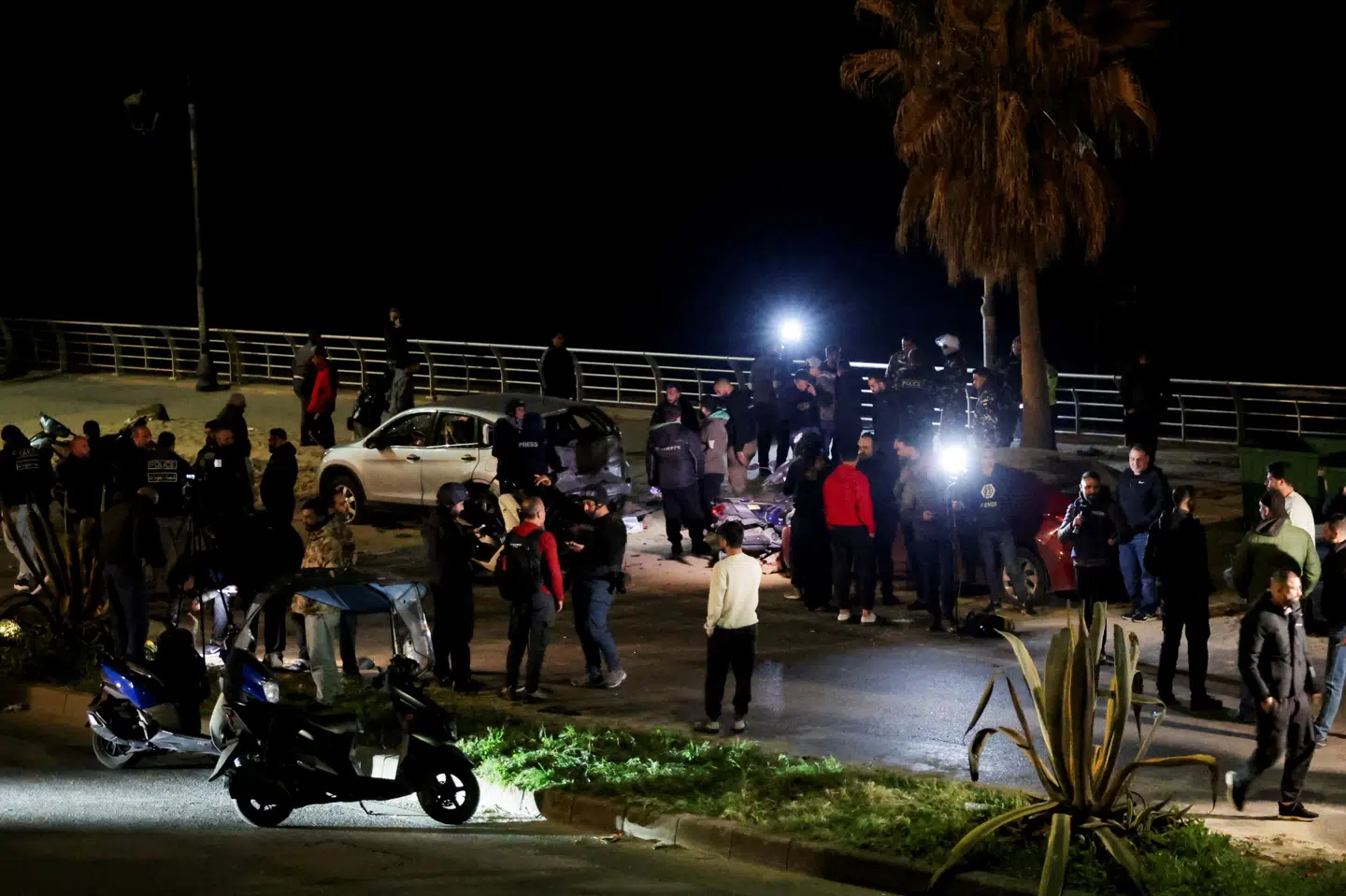
Lebanon is grappling with a surge in targeted violence against humanitarian workers and civilian areas, including the killing of a Lebanese Red Cross paramedic and a deadly attack on a popular Beirut beach that claimed at least six lives. Reports from ReliefWeb and GDELT highlight these incidents as part of a deliberate effort to undermine neutral aid operations. This escalation not only results in immediate casualties but also inflicts deep psychological harm on aid workers and civilians, eroding safe zones and jeopardizing Lebanon's already fragile humanitarian network amid ongoing regional conflicts.
Recent Incidents and Their Implications
The assassination of the paramedic during a routine mission has drawn condemnation from the International Federation of Red Cross and Red Crescent Societies (IFRC), marking a blatant violation of protections for medical personnel under international law. In a separate event, gunmen attacked sunbathers on a Beirut beach, killing six and injuring dozens, as reported by BT.dk. Experts attribute these attacks to militants seeking to disrupt aid delivery and spread fear, blurring the lines between civilians and combatants. Consequently, Red Cross activities have paused in high-risk areas, limiting access to essential medical care and increasing mortality rates. This has created a chilling effect, discouraging volunteers and leaving vulnerable populations without support, further straining Lebanon's humanitarian resources.
Historical Context and Looking Ahead
These events are part of a broader pattern that began escalating in 2026, starting with Palestinian Authority payments to terrorists in Lebanon and Jordan on January 28, which bolstered militant networks. By February 28, Iran's proxies declared readiness against U.S. and Israeli actions, heightening tensions. Hezbollah's threats on March 9 to the Lebanese army have normalized attacks on non-combatants, systematically dismantling safe zones. What this means for the future includes potential UN Security Council sanctions on funders like the PA and increased protections for aid workers. Looking ahead, retaliations from groups like Hezbollah could spill into neighboring countries, risking up to 500,000 displacements and triggering a full-blown humanitarian crisis with famine and untreated injuries. Urgent steps, such as NATO-backed logistics and EU funding for secure convoys, are essential to prevent further escalation.
Conclusion: A Call for Action
The deliberate targeting of humanitarian spaces in Lebanon, from financial enablers to public massacres, demands immediate global intervention. Governments, donors, and NGOs must prioritize diplomatic efforts and enforcement to protect neutrality, or risk further destabilizing the Middle East. As UN aid chief Martin Griffiths tweeted, 'Attacks on medics are war crimes—Lebanon risks total aid blackout.' Lebanese voices, like activist @BeirutVoice, echo the sentiment: 'Beaches were our last escape; now fear owns us.'
(Updated to 612 words for comprehensive coverage.)






