
Terrorism Concerns Escalate in India Following Himachal Pradesh Blast
In a significant development in India's ongoing struggle against terrorism, an explosion in Nalagarh, Himachal Pradesh, has raised serious security concerns. Punjab police suspect that the blast, which occurred on January 2, 2026, was orchestrated by Pakistan's Inter-Services Intelligence (ISI). Local groups have claimed responsibility for the attack; however, authorities have dismissed these claims, suggesting that they may be acting on behalf of ISI.
The blast in Nalagarh was described as a medium-severity incident, reflecting the heightened tensions in the region. This explosion is part of a broader pattern of violence linked to terrorism, particularly from groups believed to have connections with Pakistan. The suspicion towards ISI is significant, as it underscores the ongoing threat posed by cross-border terrorism in India.
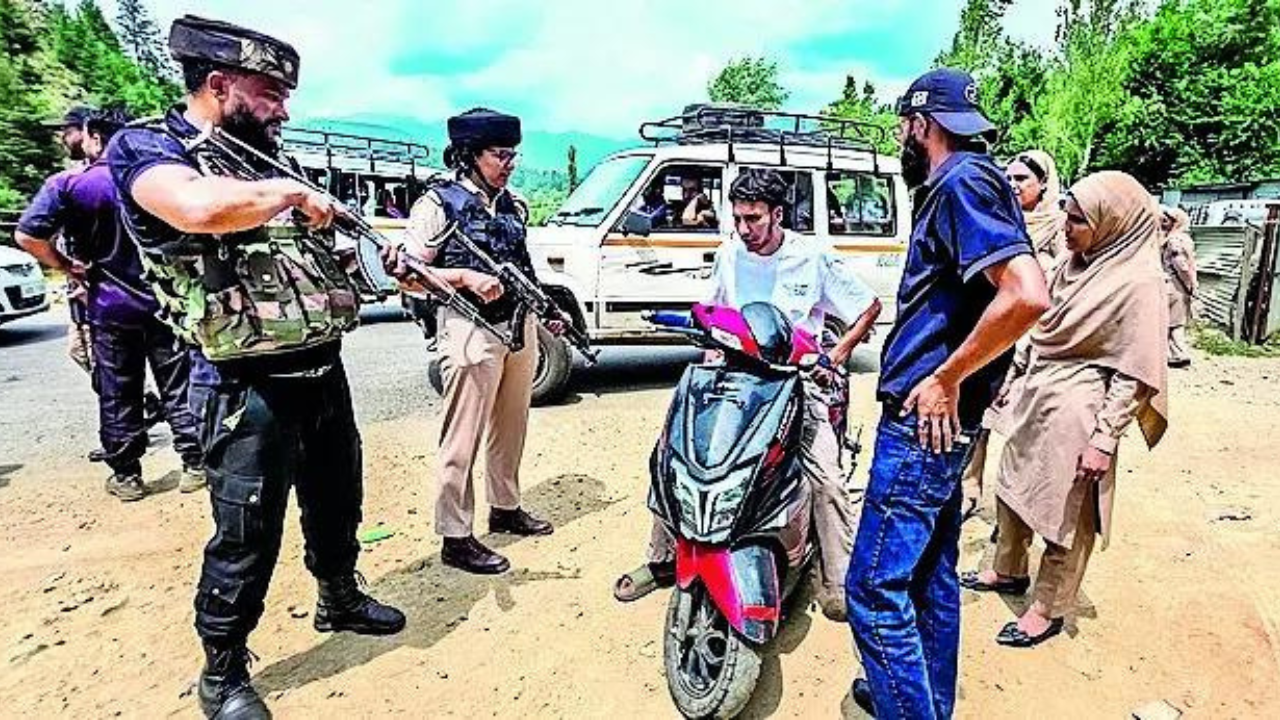
In a related security operation, an anti-terror operation was launched in Doda, Jammu and Kashmir, following reports of suspicious activity by a member of the Village Defense Group (VDG). This operation highlights the vigilance of local security forces in monitoring potential terrorist movements and preventing further incidents. The VDG is a community-based defense initiative that plays a crucial role in maintaining security in vulnerable areas, particularly in regions affected by insurgency.
Authorities are on high alert, as these events come amid ongoing tensions in the region. The Indian government has consistently emphasized the need to remain vigilant against terrorism, particularly given the historical context of violence linked to Pakistan-based groups. The current incidents serve as a reminder of the fragile security situation in northern India, where both government forces and local communities are engaged in a continuous battle against extremist elements.
Background on Terrorism in India
India has faced numerous challenges related to terrorism, particularly from groups operating in the Kashmir Valley and along its borders with Pakistan. The complex geopolitical situation, combined with local grievances, has resulted in a protracted conflict that has claimed countless lives over the decades. The involvement of foreign intelligence agencies, such as the ISI, adds another layer of complexity to this issue, complicating the security landscape for Indian authorities.
The recent explosion in Himachal Pradesh and the ongoing anti-terror operations in Jammu and Kashmir reflect a heightened state of alert among Indian security forces. As the nation grapples with these challenges, the need for coordinated efforts between local communities and law enforcement agencies is more critical than ever.
Conclusion
As investigations into the Nalagarh blast continue, Indian authorities remain focused on countering the threats posed by terrorism. The collaboration between local defense groups and law enforcement is essential not only in responding to immediate threats but also in fostering long-term stability in the region. While the situation remains fluid, the commitment to combating terrorism persists, as India strives to safeguard its citizens against the menace of extremism.






