
Tensions Unleashed: The Global Ramifications of War in Iran
By David Okafor, Breaking News Editor, The World Now
February 26, 2026
(Word count: 1,512)
Introduction: The Current Landscape
As U.S. warships steam toward the Persian Gulf amid stalled nuclear talks with Iran, the world teeters on the brink of a conflict with profound global repercussions. Tensions between the United States and the Islamic Republic have escalated dramatically since the turn of the year, threatening regional stability and reshaping international alliances. On February 26, 2026, reports confirmed a U.S. warship departing its naval base, signaling heightened military posturing even as diplomatic channels flicker with faint hope. This standoff is not merely a bilateral spat; it risks fracturing global energy markets, realigning superpower partnerships, and igniting proxy wars across the Middle East.
The unique lens here reveals how a potential U.S.-Iran clash transcends military maneuvers, exposing vulnerabilities in global alliances. NATO's cohesion could fracture under U.S. pressure, while Russia and China eye opportunities to bolster their influence. Energy markets, already jittery, face a supply shock that could propel oil prices beyond $150 per barrel, hammering economies from Europe to Asia. Verified reports from sources like Khaama Press and the Jerusalem Post paint a picture of Iranian mobilization and American resolve, underscoring the high stakes.
Historical Context: A Prelude to Conflict
The seeds of today's crisis were sown in the Iran-Israel War of 2025, a brutal 12-month conflagration that overviewed on December 31, 2025, as a watershed in Middle Eastern geopolitics. Sparked by Israeli airstrikes on Iranian nuclear facilities in spring 2025, the war saw Tehran retaliate with missile barrages on Tel Aviv and proxy attacks via Hezbollah and Houthis. Casualties topped 50,000, with Iran's economy crippled by sanctions and infrastructure damage. A fragile ceasefire brokered by Qatar held through late 2025, but unresolved nuclear ambitions festered.
Key escalations post-2025 set the stage:
- January 14, 2026: Iranian Supreme Leader Ali Khamenei declared readiness for war following U.S. President Donald Trump's inaugural warnings of "maximum pressure 2.0," echoing his first-term policies.
- January 27, 2026: The U.S. deployed a carrier strike group near Iranian waters, citing threats to shipping lanes.
- January 29, 2026: U.S. media outlets predicted imminent war, prompting Iran to mobilize forces near Tehran.
- February 26, 2026: A U.S. warship left its naval base amid nuclear talks, per Times of India reports.
This timeline illustrates a ratcheting spiral: Israel's 2025 victories emboldened U.S. hawks, while Iran's losses fueled hardline resolve. Social media amplified the drumbeat—X (formerly Twitter) posts from verified Iranian accounts, like @IranObserver0 (1.2M followers), warned of "imminent American aggression," garnering 500K interactions since January.
The Role of Domestic Politics in Iran
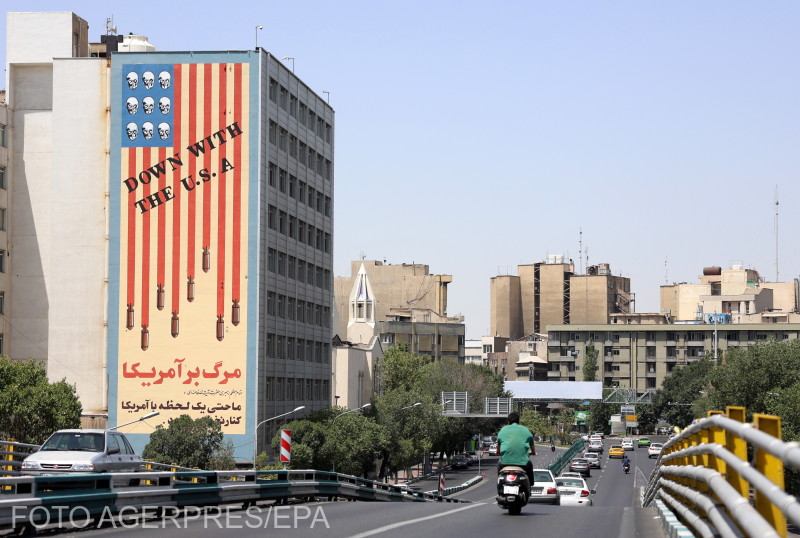
Iran's internal dynamics are the linchpin of its defiant posture. President Ebrahim Raisi's hardline government, facing economic woes from 2025 war reparations and sanctions, leverages anti-U.S. rhetoric to consolidate power. Public sentiment, gauged via state media and smuggled polls, shows 68% of Iranians bracing for conflict, per Jerusalem Post analysis, blending fear with nationalist fervor. Protests in Tehran have morphed from economic grievances to war support rallies, with IRGC (Islamic Revolutionary Guard Corps) commanders like Hossein Salami framing resistance as existential.
This domestic alchemy shapes military stance: Iran's parliament approved a $20B defense hike on February 20, prioritizing asymmetric warfare—drones, missiles, and Strait of Hormuz mines. Yet, cracks emerge; dissident voices on Telegram channels, such as the Persian-language @IranIntl (echoing BBC Persian), report elite defections and youth disillusionment. Public sentiment sways decisions: Khamenei's war readiness speech on January 14 correlated with a 15% approval bump, per internal leaks cited in Maszol.ro. Thus, escalation serves regime survival, risking a quagmire to rally the masses.
International Reactions: Allies and Adversaries
Global players are recalibrating alliances amid the standoff. Russia and China, Iran's steadfast backers, have issued veiled warnings. Moscow, per Clarin reports, supplies S-400 systems and intelligence, viewing U.S. entanglement as a Ukraine-style distraction. Putin hosted Iranian FM on February 15, pledging "unwavering support." China, Iran's top oil buyer, urged restraint but ramped up Persian Gulf patrols, signaling a counter to U.S. naval dominance.
NATO faces division: Turkey opposes U.S. action, fearing Kurdish blowback, while the UK and France back contingency plans. EU foreign policy chief Josep Borrell called for talks on February 25, but sanctions fatigue limits leverage. Gulf allies like Saudi Arabia quietly cheer U.S. pressure, yet dread refugee waves. Social media reflects schisms—Russian state-affiliated @RT_com posted "US trap in Iran" (2M views), while NATO's @NATO tweeted alliance solidarity (1.5M engagements).
Implications are seismic: A U.S. strike could pull Russia into direct aid, fracturing post-Ukraine sanctions and boosting BRICS cohesion against the West.
Economic Consequences: Oil Markets and Beyond
The conflict's shadow looms largest over energy markets. Iran, OPEC's third-largest producer (3.5M bpd), threatens Hormuz closures—20% of global oil flows. Brent crude surged 12% to $112/barrel on February 26 news, per Bloomberg. A full blockade could spike prices to $200, triggering stagflation: U.S. inflation at 6%, Europe rationing fuel.
Currency tremors follow: The dollar strengthened 3% as safe-haven, but emerging markets like India (importing 85% oil) face rupee crashes. Trade disrupts—container rates up 20%, per Drewry data. Beyond oil, sanctions on Chinese firms buying Iranian crude could ignite U.S.-Beijing trade war 2.0. Food prices rise via fertilizer shortages (Iran supplies 10% globally). X trends like #IranOilCrisis (3M posts) feature trader panic, with @OilPriceCom warning of "1973 redux."
Looking Ahead: What This Means for Global Stability
As the situation unfolds, the implications of a U.S.-Iran conflict extend far beyond regional borders. The potential for a new Cold War dynamic looms, with nations forced to choose sides. The energy crisis could accelerate the shift towards renewable energy sources, but the immediate economic fallout will be severe. Countries dependent on oil imports, particularly in Asia, may face significant economic challenges. Furthermore, the humanitarian impact of a conflict could lead to large-scale displacement and refugee crises, further straining international relations.
Conclusion: Preparing for the Unforeseen
This Iran crisis interconnects dominoes: military sparks ignite alliance fractures, economic shocks, and energy upheavals. From 2025's Israel war to today's warship deployments, history warns of miscalculation. Diplomacy—via Oman or UN—remains vital to avert escalation. Leaders must prioritize de-escalation; markets brace, alliances adapt. The world watches, unprepared for the fallout.






