Tensions Escalate in Venezuela Following U.S. Drone Strike and Explosions
A new wave of violence and military tension has erupted in Venezuela following a U.S. drone strike on December 31, 2025, targeting facilities allegedly linked to drug trafficking. The strike, ordered by U.S. President Donald Trump, marks a significant escalation in the ongoing conflict between the U.S. and the Venezuelan government led by President Nicolás Maduro.
On January 3, 2026, Caracas experienced a series of explosions, with reports indicating at least seven blasts in the capital. Eyewitness accounts noted low-flying aircraft, suggesting military action in the area. In response, President Maduro declared a nationwide emergency, calling for mass mobilization and condemning the U.S. actions as attacks on both civilian and military sites. "We will defend our homeland against this aggression," Maduro stated in a public address.
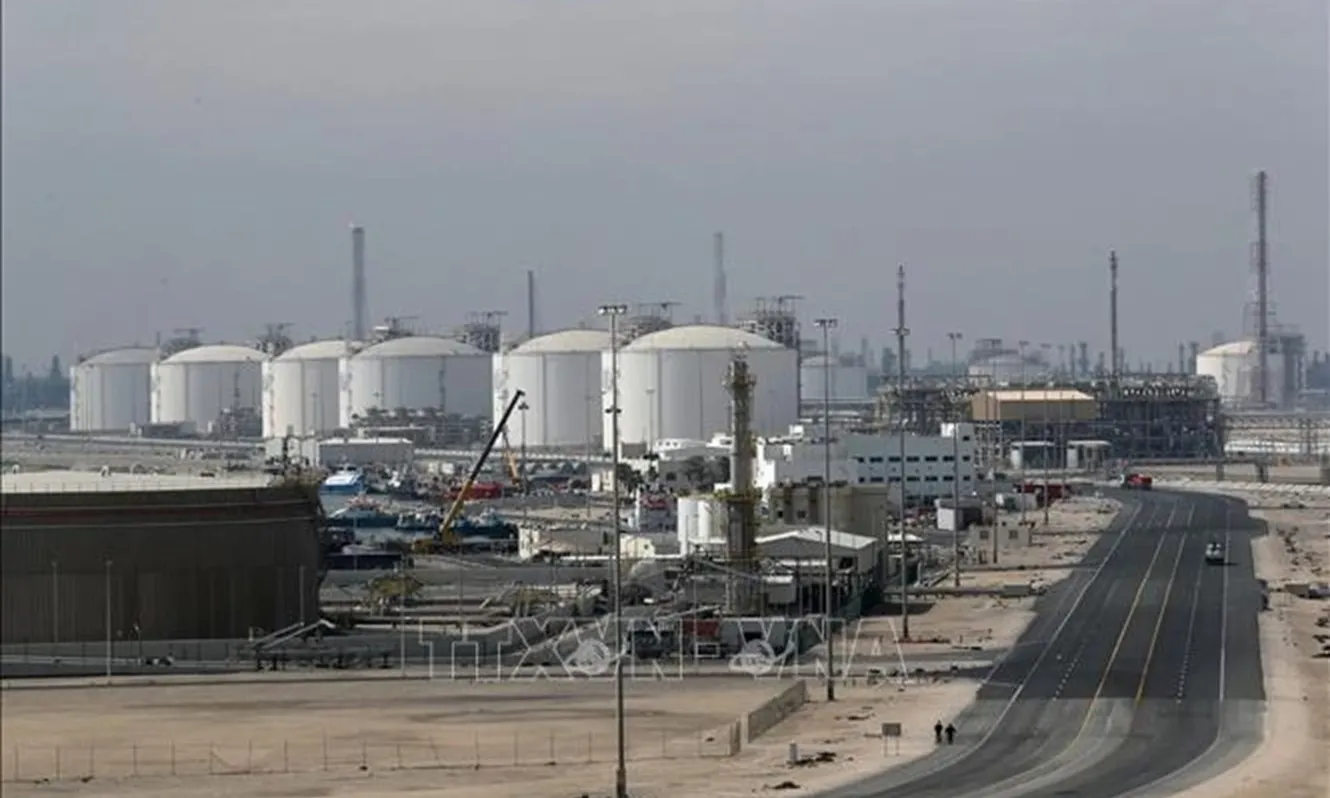
U.S. officials confirmed that the military strikes targeted key military facilities within Venezuela, including the Fuerte Tiuna, which serves as the main military complex and houses the Ministry of Defence. The strikes come amidst a backdrop of heightened tensions, following months of U.S. military buildup in the region and recent seizures of oil tankers linked to Venezuelan operations.
Reports suggest that the drone strike involved the CIA and was part of a broader campaign aimed at destabilizing Maduro's regime amid allegations of drug trafficking and human rights violations. This military strategy has drawn significant international attention, raising concerns over potential retaliatory actions by the Maduro government and the implications for regional stability.
Context and Background
The U.S.-Venezuela relationship has been fraught with tension for years, exacerbated by accusations of human rights abuses under Maduro's administration and the Venezuelan government's alleged involvement in drug trafficking. The situation intensified significantly in 2023 with the ongoing regional military buildup, as the U.S. sought to exert pressure on Caracas.
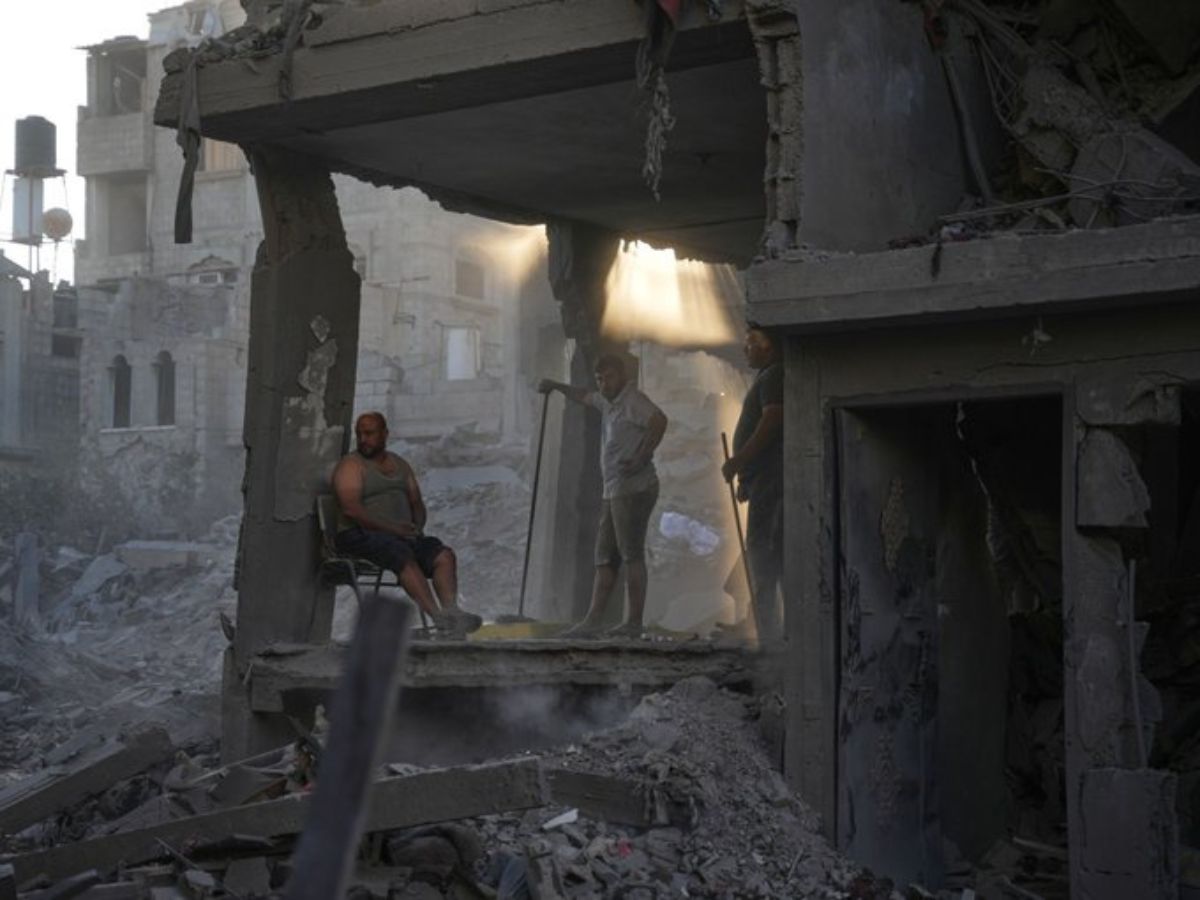
The recent drone strike and subsequent explosions in Caracas have triggered fears of a deeper military conflict, with many questioning the legality and morality of U.S. intervention in Venezuela's internal affairs. Reports of panic among civilians have emerged, with many seeking shelter amidst the chaos. Social media has been flooded with images and videos depicting the aftermath of the explosions, with one user stating, "The city is shaking; we need help!"
Conclusion
As the situation unfolds, the international community watches closely, with calls for restraint and dialogue increasing. The potential for further escalation remains high, particularly if the Maduro government retaliates against U.S. interests or allies in the region. This latest chapter in the U.S.-Venezuela saga underscores the complexity of international relations and the delicate balance of power in Latin America. The coming days will be critical in determining the trajectory of this conflict and its impact on the broader geopolitical landscape.