Tech Warfare in the Sands: Saudi Arabia's Drone Defenses Amid Escalating Regional Tensions
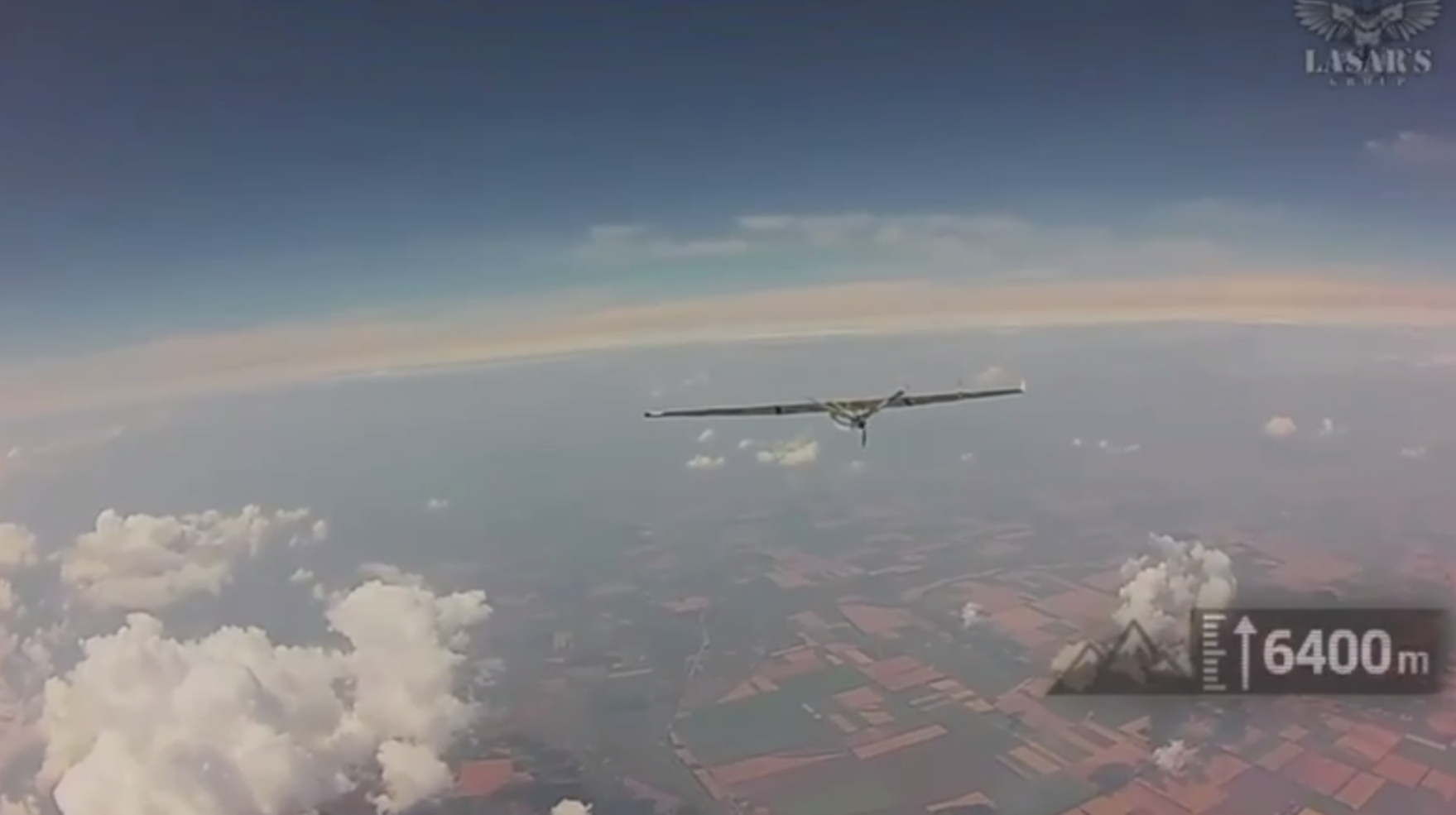
Saudi Arabia has successfully intercepted multiple drone attacks on the strategic Shaybah oilfield, highlighting escalating tensions with Iran-backed militias. On March 9, 2026, forces neutralized 12 drones in the morning and three more in the afternoon, with no damage or casualties reported. This incident underscores Riyadh's advanced defense systems and the growing role of drone technology in regional conflicts.
Current Status
Saudi Arabia's air defenses are on high alert after intercepting drones at the Shaybah oilfield in the Rub' al-Khali desert. The facility, producing over 1 million barrels of oil daily, is a key global energy asset. These attacks reflect Iran's asymmetric strategies, causing oil prices to rise 2.5% to $82 per barrel. Saudi systems, including Patriot PAC-3 and THAAD, achieved 100% interception, supported by U.S. and UAE allies.
Analysis and Implications
The incidents mark a shift to precision drone warfare, with Saudi defenses proving highly effective against Iranian-style swarms. OSINT confirms Tehran-backed tactics, potentially disrupting energy markets and prompting a regional arms race. Saudi Arabia's investments in AI-driven systems and counter-UAS technologies aim to counter these threats, while broader alliances like the Abraham Accords enhance shared defenses.
Outlook
Looking ahead, Saudi Arabia may deploy advanced countermeasures like Drone Dome within days, escalating the tech arms race. Diplomatic efforts, including U.S.-led talks, could de-escalate tensions, but sustained attacks might spike oil prices to $95 per barrel. Global interventions, such as UN sanctions, are crucial to prevent spillover into cyber-drone hybrids by mid-March.




:quality(30):format(webp):focal(0.5x0.5:0.5x0.5)/aceh/foto/bank/originals/Foto-Ilustrasi-Kapal-komersial-di-Laut-Kaspia.jpg)