
Taiwan Searches for Missing F-16 Pilot After Crash Spotlights Concerns Over Aging Fighter Fleet
Taipei, Taiwan – Taiwan's military has launched an extensive search operation for a pilot missing after an F-16V fighter jet crashed on January 6, 2026, reigniting debates over the island's aging air force amid escalating cross-strait tensions with China.
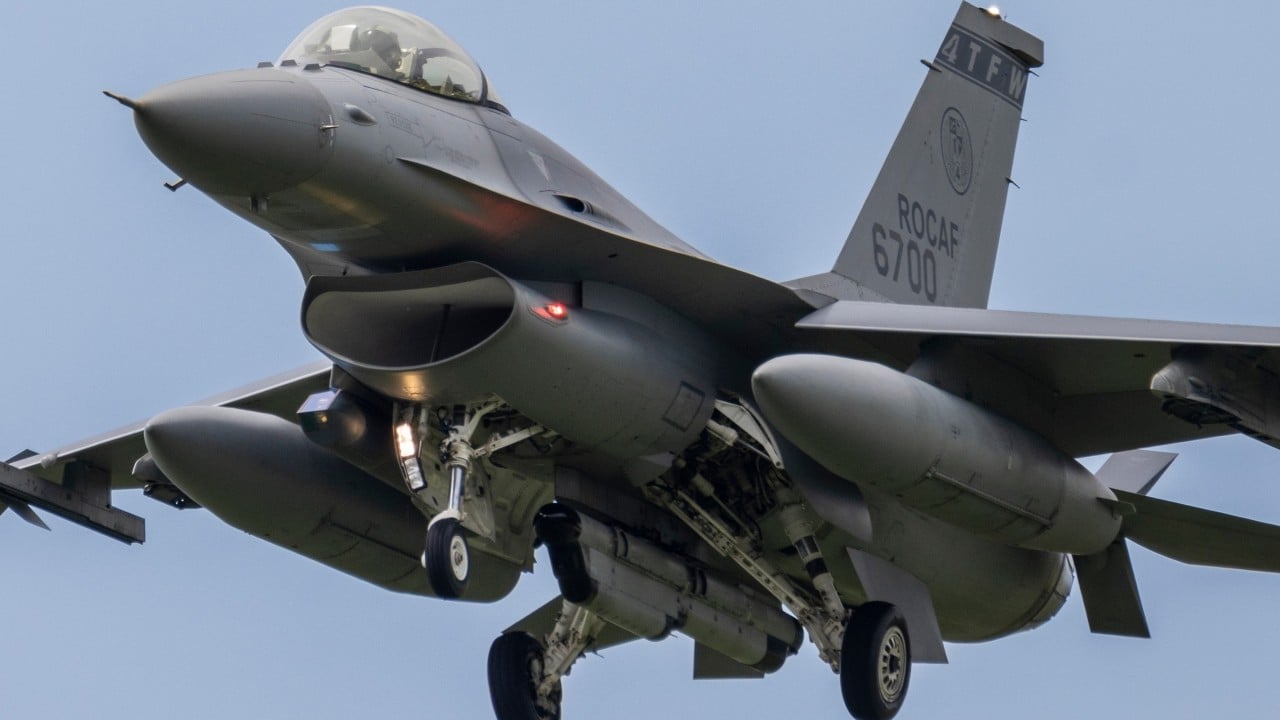
The incident occurred during a routine training mission, prompting immediate rescue efforts in the waters off Taiwan's eastern coast. As of January 10, no confirmation of the pilot's status had been reported, with search teams deploying ships, aircraft, and divers to comb the crash site. The F-16V, an upgraded variant of the U.S.-supplied fighter, is a cornerstone of Taiwan's aerial defense capabilities, making the crash a significant blow to operational readiness.
According to reports, the jet went down shortly after takeoff, with the pilot ejecting before the aircraft plunged into the sea. Taiwan's Ministry of National Defense confirmed the event but provided limited details, stating that investigations are underway to determine the cause. This marks the latest in a series of high-profile accidents involving Taiwan's fighter fleet, underscoring vulnerabilities in maintenance and upgrade programs.
Scrutiny on Equipment Readiness
The crash has drawn sharp criticism from lawmakers and defense analysts, who argue that Taiwan's military hardware is struggling to keep pace with the demands of near-daily Chinese air incursions into Taiwan's air defense identification zone (ADIZ). The South China Morning Post reported that the incident has "sharpened debate over whether upgrades and new armament purchases can realistically keep pace with increasing wear, maintenance constraints and the rapid modernisation of mainland China’s forces."
Taiwan operates a fleet of approximately 140 F-16V jets, upgraded between 2017 and 2024 under a $8 billion U.S. program that enhanced avionics, radar, and weaponry. These aircraft represent about half of Taiwan's frontline fighters, complementing aging F-5s and Mirage 2000s. However, the high-tempo operations—averaging over 1,700 Chinese sorties into the ADIZ in 2025 alone—have accelerated wear and tear, straining maintenance schedules and spare parts availability.
Analysts point to systemic issues: budget constraints, a shrinking pool of skilled technicians, and delays in U.S. arms deliveries. "The sustained high-tempo demands of cross-strait tensions are exposing the limits of our ageing arsenal," one unnamed lawmaker told the South China Morning Post. This sentiment echoes concerns raised after previous incidents, including a 2024 F-16 crash that killed its pilot and a Black Hawk helicopter disaster in 2020 that claimed the life of Taiwan's top military commander.
Background on Taiwan's Air Defense Challenges
Taiwan's air force has long relied on F-16s acquired from the United States since the 1980s, with the V-model upgrades incorporating active electronically scanned array (AESA) radars and advanced electronic warfare suites to counter China's growing fleet of J-20 stealth fighters and other fifth-generation aircraft. The program was accelerated following U.S. approval in 2019, amid Beijing's increased military pressure, including large-scale exercises simulating blockades.
China's People's Liberation Army Air Force (PLAAF) has modernized rapidly, fielding over 2,000 combat aircraft, including hundreds of advanced J-10s and J-16s. Taiwan's response includes not only F-16Vs but also 66 new F-16Vs ordered in 2020, with deliveries ongoing. However, indigenous programs like the Brave Eagle trainer jet aim to bolster self-reliance, though production lags.
The January 6 crash fits a pattern of recent accidents. In the past two years, Taiwan has lost at least three F-16s in training mishaps, attributed to mechanical failures, pilot error, or harsh weather during exercises. These events have prompted internal reviews and calls for increased training safety protocols, even as operational demands intensify.
Broader Implications Amid Tensions
The timing of the crash heightens concerns as Taiwan prepares for potential escalations. Chinese military drills around the island have become routine since the 2022 visit by then-U.S. House Speaker Nancy Pelosi, with incursions peaking during Taiwanese political events. President Lai Ching-te's administration, which took office in May 2024, has pledged to modernize defenses while avoiding provocation.
U.S. support remains pivotal, with President Joe Biden's administration approving over $18 billion in arms sales since 2020, including Harpoon missiles and HIMARS systems. Yet, delivery backlogs—exacerbated by U.S. commitments to Ukraine and Israel—have left Taiwan vulnerable.
Defense officials have downplayed the crash's impact on overall readiness, emphasizing that backup aircraft are available. However, opposition figures in Taiwan's legislature are pushing for an audit of the F-16 program and accelerated procurement of next-generation fighters.
As the search for the missing pilot continues, the incident serves as a stark reminder of the high stakes in Taiwan's defense posture. Rescue operations persist around the clock, with hopes pinned on recovering the aviator amid challenging sea conditions. The outcome of the investigation could influence future U.S.-Taiwan arms deals and Taiwan's military budgeting, as the island navigates its precarious security environment.
(Word count: 712)