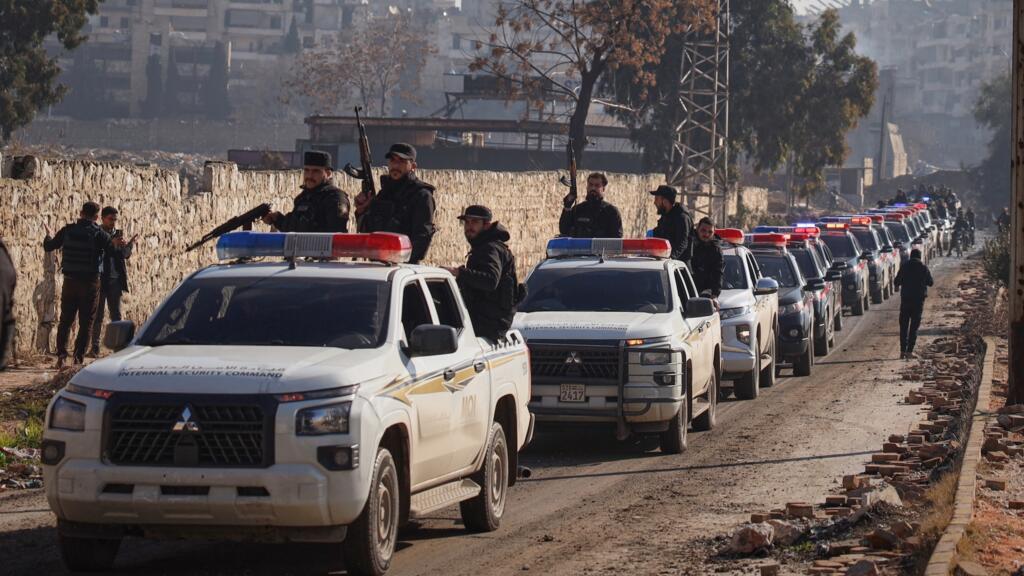

Syrian Kurdish Forces Withdraw from Aleppo After Intense Clashes with Government Troops
Aleppo, Syria – The U.S.-backed Syrian Democratic Forces (SDF), dominated by Kurdish fighters, have agreed to withdraw from a key neighborhood in Aleppo following days of fierce clashes with Syrian government forces that killed dozens and displaced over 150,000 people. The ceasefire deal, announced on January 11, 2026, includes the evacuation of dead and wounded civilians and fighters to northern and eastern Syria.
The violence erupted on January 7, 2026, when the Syrian army declared SDF-held positions in Aleppo as legitimate military targets. This escalation followed accusations by government forces of massacres in the area attributed to the SDF. Clashes centered on the Ash-Sheikh Maqsoud neighborhood, a predominantly Kurdish enclave in northern Aleppo that has long been a flashpoint in Syria's protracted civil war.
By January 10, the Aleppo Health Directorate reported at least 23 deaths and 104 injuries amid ongoing military operations. Relief agencies documented several drone strikes targeting public and private infrastructure, resulting in civilian casualties. A curfew was imposed, and public services were suspended in affected areas, exacerbating humanitarian challenges in a city already scarred by years of conflict.
The SDF's withdrawal came after negotiations led to a ceasefire agreement. According to reports, the deal allows for the safe exit of fighters and the transfer of casualties, marking a temporary de-escalation. However, military operations persisted in parts of Ash-Sheikh Maqsoud as late as January 10, underscoring the fragility of the truce.
Escalation and Humanitarian Toll
The clashes represent a rare direct confrontation between Syrian regime forces and the SDF inside Aleppo, a city that has endured some of the war's most brutal fighting. Government troops, loyal to President Bashar al-Assad, accused the SDF of perpetrating massacres, prompting the designation of their positions as targets. The SDF, which did not immediately respond to these claims in available reports, has maintained a presence in Ash-Sheikh Maqsoud since reclaiming it from Islamist rebels in 2016 with support from U.S.-led coalition airstrikes.
Displacement figures are staggering: more than 150,000 people were forced from their homes, according to updates from the ground. The United Nations Office for the Coordination of Humanitarian Affairs (OCHA) highlighted the strain on local resources, with curfews and service disruptions compounding access issues for aid workers.
Historical Context in Aleppo
Aleppo's strategic importance cannot be overstated. Once Syria's largest city and economic hub, it became a symbol of the civil war's ferocity when rebels seized eastern districts in 2012. Government forces, backed by Russia and Iran, recaptured most of the city in late 2016 after a devastating siege that killed thousands and destroyed vast swaths of heritage sites.
Ash-Sheikh Maqsoud emerged as a SDF stronghold amid this chaos. The Kurdish-led group rose to prominence combating the Islamic State (ISIS) from 2014 onward, controlling much of northeastern Syria with American military backing. Tensions with Damascus have simmered since Assad's forces reasserted control over Aleppo, with occasional skirmishes but few large-scale engagements until this week.
The SDF's role remains polarizing: hailed by the West for defeating ISIS's caliphate in 2019, it faces accusations from Turkey and the Syrian government of separatism and human rights abuses. U.S. troops, numbering around 900 in Syria as of late 2025, provide limited support to the SDF but have avoided direct involvement in regime clashes.
Implications and Outlook
The withdrawal averts further bloodshed in the short term but highlights persistent fault lines in Syria's 14-year conflict. Assad's government continues offensives against other foes, including Hayat Tahrir al-Sham in Idlib, while economic collapse and sanctions deepen civilian suffering nationwide.
Humanitarian agencies urge all parties to protect civilians and facilitate aid. As of January 11, no violations of the ceasefire were reported, but the displacement crisis demands urgent attention. With over 500,000 internally displaced in Aleppo province alone since 2023 flare-ups, this episode risks prolonging instability in a war that has claimed over 500,000 lives and uprooted 13 million people.
The international community, including the U.S. and Turkey— which views the SDF as an extension of the Kurdistan Workers' Party (PKK)—will monitor compliance closely. For Aleppo's residents, the ceasefire offers respite, but underlying grievances and competing claims to territory suggest future confrontations remain likely.
(Word count: 612)






