
Syrian Army Launches Artillery Barrage on SDF-Held Positions in Aleppo, Escalating Tensions
Aleppo, Syria — The Syrian Arab Army initiated intense artillery strikes targeting positions held by the U.S.-backed Syrian Democratic Forces (SDF) in neighborhoods within Aleppo city on January 8, 2026, marking a significant escalation in hostilities between the government forces and Kurdish-led militias. Described as concentrated and high-severity operations, the strikes have heightened fears of broader conflict in a region long plagued by overlapping wars.
The attacks commenced at approximately 1:09 PM GMT, focusing on SDF strongholds inside urban areas of Aleppo, Syria's second-largest city and a strategic northern hub. While specific casualty figures remain unconfirmed amid restricted access and conflicting reports, the operation underscores persistent friction between President Bashar al-Assad's regime and the SDF, which controls significant territory in northeastern Syria.
Aleppo has been a flashpoint since the early days of the Syrian civil war, which erupted in 2011. Government forces, supported by Russian airstrikes and Iranian-backed militias, recaptured most of the city from rebel groups in 2016 after a brutal siege. However, SDF elements have maintained a presence in peripheral and contested zones, often clashing with regime troops over control of resources like oil fields and border areas. The SDF, primarily composed of Kurdish YPG fighters, has been a key U.S. ally in the fight against the Islamic State (ISIS), which once dominated swathes of Syrian territory.
This latest barrage occurs against a backdrop of fragile ceasefires and proxy rivalries. Turkey, which views the SDF as an extension of the Kurdistan Workers' Party (PKK)—designated a terrorist group by Ankara, Washington, and the European Union—has conducted repeated incursions into northern Syria to curb SDF influence. Recent Turkish operations, including drone strikes, have targeted SDF positions near Aleppo, complicating the battlefield dynamics and occasionally aligning indirectly with Syrian government interests.
Recent U.S. Strikes Add to Regional Volatility
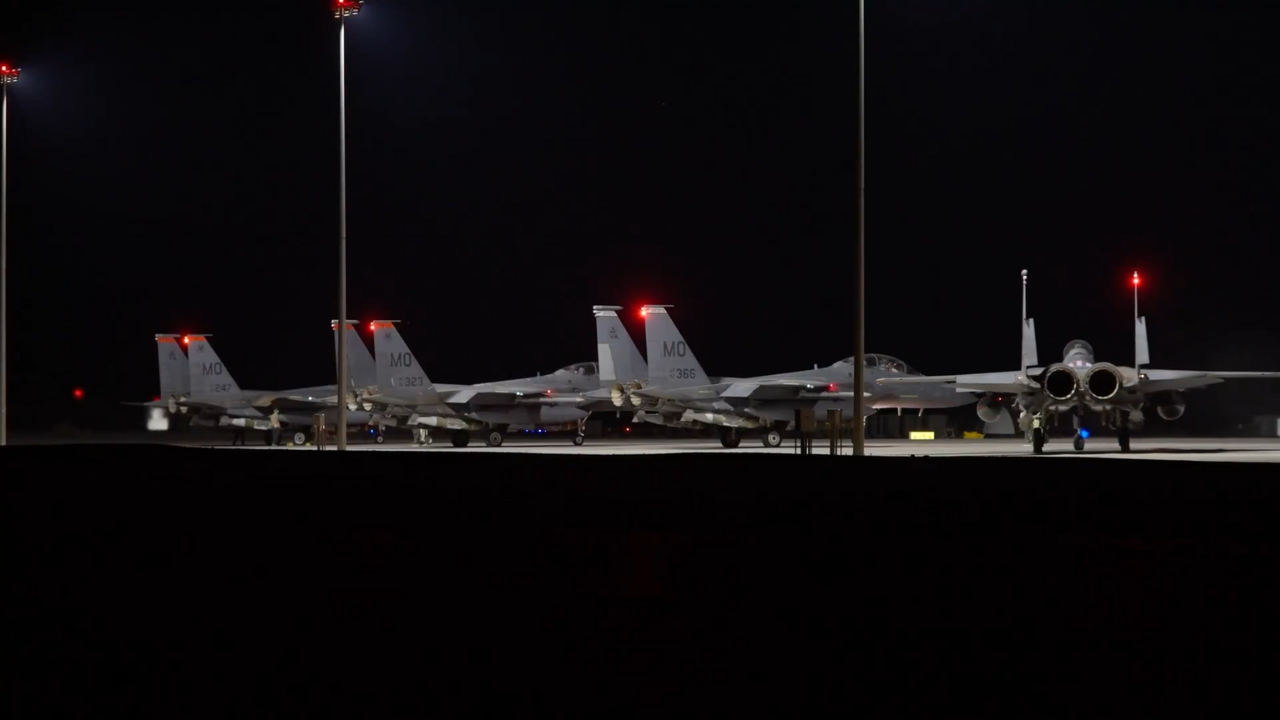
Compounding the instability, the United States carried out airstrikes against ISIS remnants across Syria just days later, as detailed in reports from January 11, 2026. Under Operation Hawkeye, U.S. forces released video footage showing precision hits on militant targets, reaffirming Washington's commitment to preventing an ISIS resurgence. The Times of India reported on the operation, highlighting glimpses of the strikes that underscore ongoing counterterrorism efforts despite the drawdown of U.S. troops from Syrian soil.
The U.S. maintains a footprint of around 900 troops in eastern Syria, primarily at bases alongside SDF fighters, protecting oil infrastructure and monitoring jihadist threats. These strikes come amid warnings from U.S. Central Command about ISIS sleeper cells exploiting Syria's chaos. The timing—shortly after the Syrian army's actions—raises questions about potential spillover effects, though no direct links have been established.
Background: A Multifaceted Conflict
Syria's war has claimed over 500,000 lives and displaced millions, evolving from anti-government protests into a proxy battleground involving global powers. Assad's forces control roughly 70% of the country, bolstered by Russia and Iran, while the SDF holds about 25% in the northeast, including key economic assets like the Al-Omar oil field. Hay'at Tahrir al-Sham (HTS), an al-Qaeda offshoot, dominates Idlib province in the northwest, frequently clashing with regime advances.
Aleppo's neighborhoods, densely populated with Sunni Arab, Kurdish, and other communities, have seen sporadic SDF-regime skirmishes since 2021, often triggered by disputes over checkpoints or smuggling routes. International mediators, including the United Nations, have repeatedly called for de-escalation, but enforcement remains elusive. Russia's 2015 intervention tilted the balance toward Assad, yet it has not quelled low-level insurgencies.
The SDF's dual role—fighting ISIS while opposing Assad—has strained relations with Damascus. Negotiations brokered by Russia in 2021 aimed at integrating SDF forces into the national army faltered over command structures and autonomy demands. Recent economic pressures, including U.S. sanctions and a battered Syrian pound, exacerbate territorial contests.
Outlook: Risks of Wider Confrontation
As artillery echoes through Aleppo's streets, humanitarian concerns mount. The UN Office for the Coordination of Humanitarian Affairs (OCHA) has warned of potential displacement, with Aleppo already hosting over 2 million residents amid crumbling infrastructure. International observers urge restraint to avoid drawing in Turkey or further entangling U.S. and Russian forces, whose deconfliction channels have prevented direct clashes thus far.
No official statements have emerged from the Syrian government or SDF leadership regarding the strikes, but past patterns suggest prolonged standoffs rather than full-scale war. Meanwhile, Operation Hawkeye's success against ISIS serves as a reminder that terrorism persists as a unifying threat, even as local rivalries intensify.
The convergence of these events signals a precarious phase for Syria, where strikes—whether by regime artillery, U.S. jets, or Turkish drones—threaten to unravel hard-won stabilizations. Monitoring groups like the Syrian Observatory for Human Rights continue to track developments, as the international community watches for signs of diplomatic intervention.
(Word count: 712)






