
Syrian Army Launches Artillery Barrage on SDF-Held Positions in Aleppo Amid Renewed US Strikes on ISIS
Aleppo, Syria – Syrian government forces initiated intense artillery strikes against positions held by the U.S.-backed Syrian Democratic Forces (SDF) in neighborhoods within Aleppo city on January 8, 2026, escalating longstanding tensions in the war-torn region. The high-severity attacks, which began around 1:09 PM GMT, come just days before U.S. officials confirmed fresh airstrikes targeting Islamic State (ISIS) remnants in Syria, highlighting the fragile security dynamics in the country.
The Syrian army's concentrated bombardment targeted SDF positions embedded in urban areas of Aleppo, a strategically vital northern city that has been a focal point of Syria's civil war since 2011. According to real-time event tracking data, the strikes marked a significant intensification of hostilities between Damascus loyalists and the Kurdish-led SDF, which controls pockets of territory despite repeated government efforts to reassert control. No immediate casualty figures or official statements from either side have been reported, but the proximity to civilian neighborhoods raises concerns over potential collateral damage in a city already scarred by years of conflict.
This development occurs against a backdrop of shifting alliances and persistent insurgencies. The SDF, primarily composed of Kurdish YPG fighters and Arab allies, has been a key partner in the U.S.-led coalition against ISIS since 2015. However, relations between the SDF and President Bashar al-Assad's regime remain fraught, with periodic clashes over territorial control. Aleppo, once Syria's economic hub, fell fully under government control in late 2016 after a brutal siege, but SDF presence in outlying or contested urban areas has persisted amid fluid frontlines.
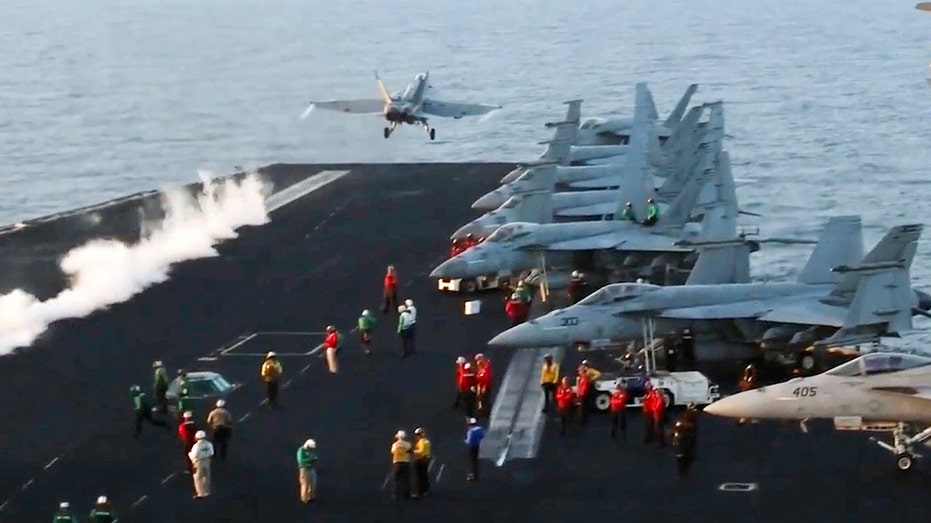
Just two days after the Aleppo strikes commenced, on January 10, 2026, U.S. military officials confirmed to Fox News that American forces had conducted airstrikes against ISIS targets across Syria. The operations, part of ongoing counterterrorism efforts, underscore Washington's continued commitment to preventing an ISIS resurgence in the power vacuum left by Syria's protracted war. "U.S. officials confirmed to Fox News on Saturday that the U.S. military has launched airstrikes against the Islamic State (ISIS) in Syria," the report stated, without specifying exact locations or the number of strikes.
Background on Syria's Fractured Conflict Landscape
Syria's civil war, which erupted in 2011 amid Arab Spring protests, has evolved into a complex proxy battleground involving regional powers like Russia, Iran, Turkey, and the United States. The Assad regime, bolstered by Russian air support and Iranian-backed militias, reclaimed much of Aleppo from rebel groups in 2016-2017, but northeastern Syria remains a patchwork of SDF-controlled areas, Turkish-backed factions, and dormant ISIS cells.
The SDF's role has been pivotal: it spearheaded the ground offensive that dismantled ISIS's so-called caliphate by 2019, including the capture of leader Abu Bakr al-Baghdadi. Yet, this success has fueled tensions with Assad, who views the group as separatists undermining national sovereignty. Turkey, a NATO ally, considers the SDF's YPG core an extension of the Kurdistan Workers' Party (PKK), a designated terrorist group, leading to repeated incursions like Operation Peace Spring in 2019.
U.S. involvement, numbering around 900 troops as of late 2025, focuses on advising the SDF and conducting precision strikes against ISIS, which continues low-level attacks despite territorial losses. The recent U.S. airstrikes align with a pattern of intermittent operations; for instance, similar actions were reported in central Syria in December 2025 targeting ISIS sleeper cells.
Aleppo's latest flare-up adds to a string of border skirmishes. In late 2025, Syrian forces shelled SDF positions near Manbij, east of Aleppo, prompting retaliatory fire. Analysts note that economic pressures, including sanctions and reconstruction challenges, may be pushing Assad to consolidate control over resource-rich areas.
Potential for Wider Escalation
Neither the Syrian government nor the SDF has issued public statements on the January 8 strikes as of January 11, 2026. The U.S. Department of Defense has not commented on the Aleppo events, focusing instead on its anti-ISIS mandate. However, the convergence of Syrian artillery barrages and U.S. airstrikes risks miscalculation, particularly if SDF-U.S. coordination leads to indirect confrontation with regime forces.
International observers, including the United Nations, have long called for de-escalation to facilitate humanitarian aid in northern Syria, where over 2 million displaced people reside in camps. With Russian mediation efforts stalled and Turkish operations ongoing, the strikes signal no immediate resolution.
As Syria approaches the 15-year mark of its war, these events underscore the enduring volatility: government forces pressing territorial claims, U.S. counterterrorism persisting, and ISIS exploiting divisions. Monitoring agencies report no confirmed extensions of the Aleppo strikes into January 11, but the situation remains fluid.
(Word count: 712)






