
Syrian Army Escalates Conflict in Aleppo, Declaring SDF Positions Legitimate Targets After Clashes in Sheikh Maqsud
Aleppo, Syria – The Syrian Arab Army has intensified its military operations against the Kurdish-led Syrian Democratic Forces (SDF) in Aleppo, declaring their positions legitimate targets following accusations of massacres in the area. Clashes erupted as early as January 7, 2026, with the government forces claiming a major advance into the Sheikh Maqsud neighborhood on January 10, though SDF-affiliated Kurdish forces firmly rejected the assertion of lost control.
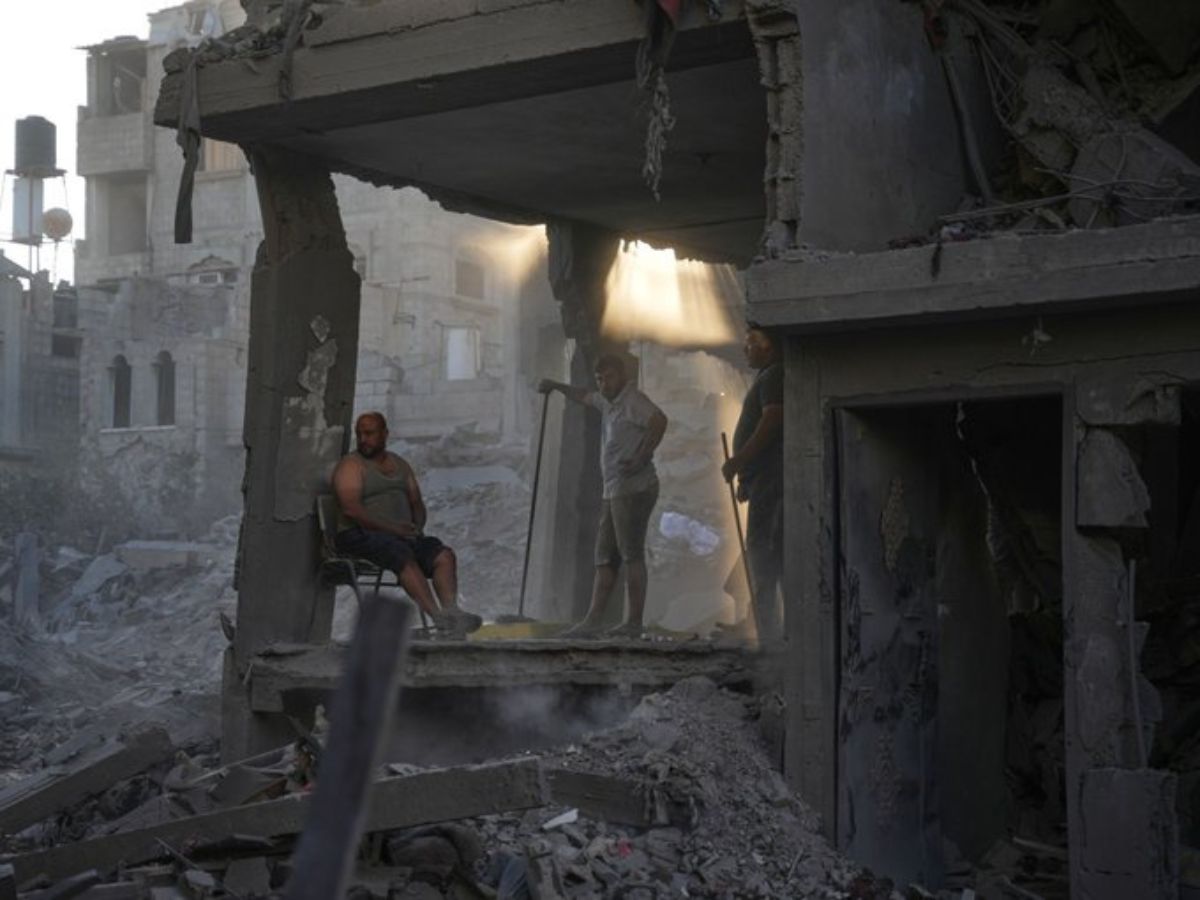
The conflict in Aleppo's Sheikh Maqsud district, a predominantly Kurdish enclave, reached a critical point on Saturday, January 10, 2026. According to a statement from the Syrian army, forces completed a "full security sweep" of the neighborhood after intense clashes with Kurdish fighters. The operation followed days of escalating tensions, including the army's designation of SDF-held positions as legitimate military targets. This move came amid unverified accusations leveled by government sources against the SDF for involvement in massacres in the region, though specific details on these claims remain limited in available reports.
Kurdish forces, aligned with the SDF, defiantly rejected calls to surrender prior to the sweep and continue to dispute the army's claims of control. The Times of India reported that the Syrian army urged residents of Sheikh Maqsud to remain in their homes, citing the "continued presence of Kurdish forces" as a ongoing security risk. This advisory underscores the fluid and volatile situation on the ground, where civilian safety hangs in the balance amid crossfire.
The Syrian army's announcement marked a significant escalation in what has been a simmering standoff. Operations began intensifying around 09:33 GMT on January 7, with high-severity confrontations reported between government troops and SDF positions across Aleppo. Sheikh Maqsud, long a stronghold for Kurdish militias, has become the focal point of these engagements. The army's actions reflect broader efforts to reassert control over northern Syria territories held by autonomous Kurdish groups.
Background on Aleppo's Fractured Control
Aleppo, Syria's second-largest city, has been a battleground since the Syrian civil war erupted in 2011. Once a thriving commercial hub, it suffered devastating sieges and urban warfare, particularly between 2012 and 2016, when government forces, backed by Russia and Iran, recaptured most of the city from rebel groups. Sheikh Maqsud emerged as a Kurdish-controlled pocket during this period, defended by the People's Protection Units (YPG), the primary component of the SDF.
The SDF, formed in 2015, gained prominence for its role in defeating the Islamic State (ISIS) with U.S. support, controlling vast areas in northeastern Syria including oil-rich regions. However, the Assad regime views the SDF as separatists tied to the outlawed Kurdistan Workers' Party (PKK), leading to periodic clashes. Turkey, which considers the YPG a terrorist extension of the PKK, has conducted multiple cross-border operations into Syria targeting SDF positions, complicating the dynamics. Recent Turkish-backed offensives in 2019 and 2020 displaced thousands and redrew frontlines near Aleppo.
In this context, the Syrian army's push into Sheikh Maqsud aligns with Damascus's strategy to consolidate gains post-2024 regional shifts, including the fall of the last major rebel stronghold in Idlib and ongoing Turkish-Syrian dialogues. The accusation of SDF-linked massacres adds a layer of propaganda warfare, though independent verification is scarce amid restricted access for journalists and aid groups.
Current Developments and Humanitarian Concerns
As of January 10, the Syrian army maintained its position that the security sweep was complete, but the persistence of Kurdish forces suggests incomplete control. No casualty figures have been officially released, but the high severity of the initial targeting on January 7 indicates significant combat. Residents face dual threats: indiscriminate shelling and the risk of being caught in house-to-house fighting.
International observers, including the United Nations, have long warned of Aleppo's vulnerability. The UN Office for the Coordination of Humanitarian Affairs (OCHA) reports that over 16 million Syrians require aid, with Aleppo hosting displaced populations from across the conflict zones. Any prolonged clashes could exacerbate the humanitarian crisis, straining already limited resources.
The U.S., a key SDF backer, has not issued a specific response to these events, but its 900-troop presence in eastern Syria underscores stakes in Kurdish stability. Russia, Syria's main ally, continues airstrikes supporting Assad's forces, while Turkey monitors developments closely given its proximity.
Outlook Amid Regional Tensions
The Aleppo confrontations signal potential for wider conflict in northern Syria, where SDF autonomy challenges Assad's sovereignty claims. Diplomatic channels, including Astana process talks involving Russia, Turkey, and Iran, may address the flare-up, but historical precedents suggest military momentum often prevails short-term.
As both sides dig in, the focus remains on de-escalation to protect civilians. The Syrian army's targeting declaration and Kurdish defiance highlight enduring divisions in a war-weary nation, with Sheikh Maqsud's fate a microcosm of Syria's unresolved ethnic and territorial disputes.
(Word count: 712)