
Switzerland's Role in the Evolving Geopolitical Landscape: A Catalyst for US-Iran Negotiations
Introduction: A New Chapter in Swiss Diplomacy
Switzerland's long-standing neutrality, established in 1815, has positioned it as a safe haven for international diplomacy. However, recent tensions between the United States and Iran have thrust this alpine nation into a more proactive role. The hosting of indirect nuclear talks in Geneva on February 26, 2026, amidst US threats to sanction Swiss bank MBAer Merchant Bank AG over its ties to Iran and Russia, marks a significant pivot. This development positions Switzerland as a potential catalyst, leveraging its banking secrecy and impartiality to bridge divides in a complex geopolitical landscape.
Historical Context: Switzerland as a Diplomatic Hub
Switzerland's diplomatic legacy is rich, having previously facilitated the 2013-2015 Iran nuclear talks (JCPOA) in Geneva, where it acted as a protecting power for US interests in Iran. The timeline of recent events highlights Switzerland's evolving role: on January 10, 2026, a landmark $800 billion deal between the US and Ukraine was announced at Davos; January 20 saw EU leaders convene amid threats of Trump-era tariffs; and January 28 marked the launch of the US-led 'Board of Peace.' The February 26 Geneva talks echo this trajectory, transforming Switzerland's neutrality from a passive observer to an active facilitator amid escalating US-Iran tensions.
Recent Developments: Significant Progress in US-Iran Talks
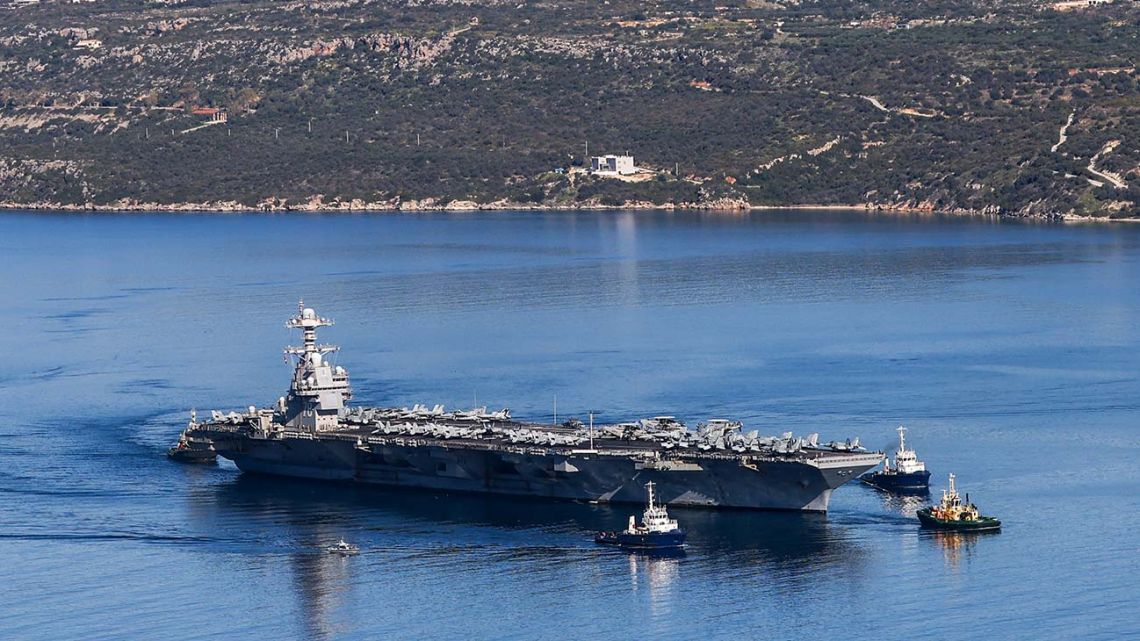
The third round of indirect US-Iran nuclear talks concluded in Geneva with reports of "significant progress" from mediators (BBC, Anadolu Agency). Iran expressed optimism about achieving further advancements, with another round of discussions anticipated within a week (Channel News Asia). These talks occur under the shadow of a substantial US military buildup—the largest in decades (Perfil)—and Treasury warnings directed at Swiss banks, aiming to avert potential conflict (MyJoyOnline, Ceske Noviny). While three rounds of talks have been confirmed, the specifics of concessions regarding Iran's nuclear program remain unverified. Switzerland's role in these negotiations enhances its diplomatic clout but also risks attracting US scrutiny regarding its banking relationships.
What This Means: The Future of Swiss Diplomacy
Switzerland's evolving role as a mediator may lead to a deeper engagement in international diplomacy, influencing its foreign policy toward a concept of "active neutrality." This shift could strain relations with the US if banking sanctions expand, potentially impacting the sector's $7 trillion in assets under management. Economically, increased scrutiny could lead to capital flight, while politically, it may strengthen ties with EU and Middle Eastern powers. Looking ahead, Switzerland is likely to host more 'Board of Peace' offshoots, balancing its autonomy with global pressures.
Conclusion: A New Era for Switzerland
Switzerland is transitioning from a neutral bystander to a pivotal mediator in global diplomacy, as evidenced by the recent US-Iran talks in Geneva. This shift promises to enhance Switzerland's diplomatic prestige but may invite economic challenges due to US leverage. Observers must closely monitor Swiss strategies amid the ongoing geopolitical flux.
This is a developing story and will be updated as more information becomes available.
(Word count: 600)
By Marcus Chen, Senior Political Analyst for The World Now






