
Swiss Bus Fire: The Overlooked Mental Health Ripple in a Year of Crises
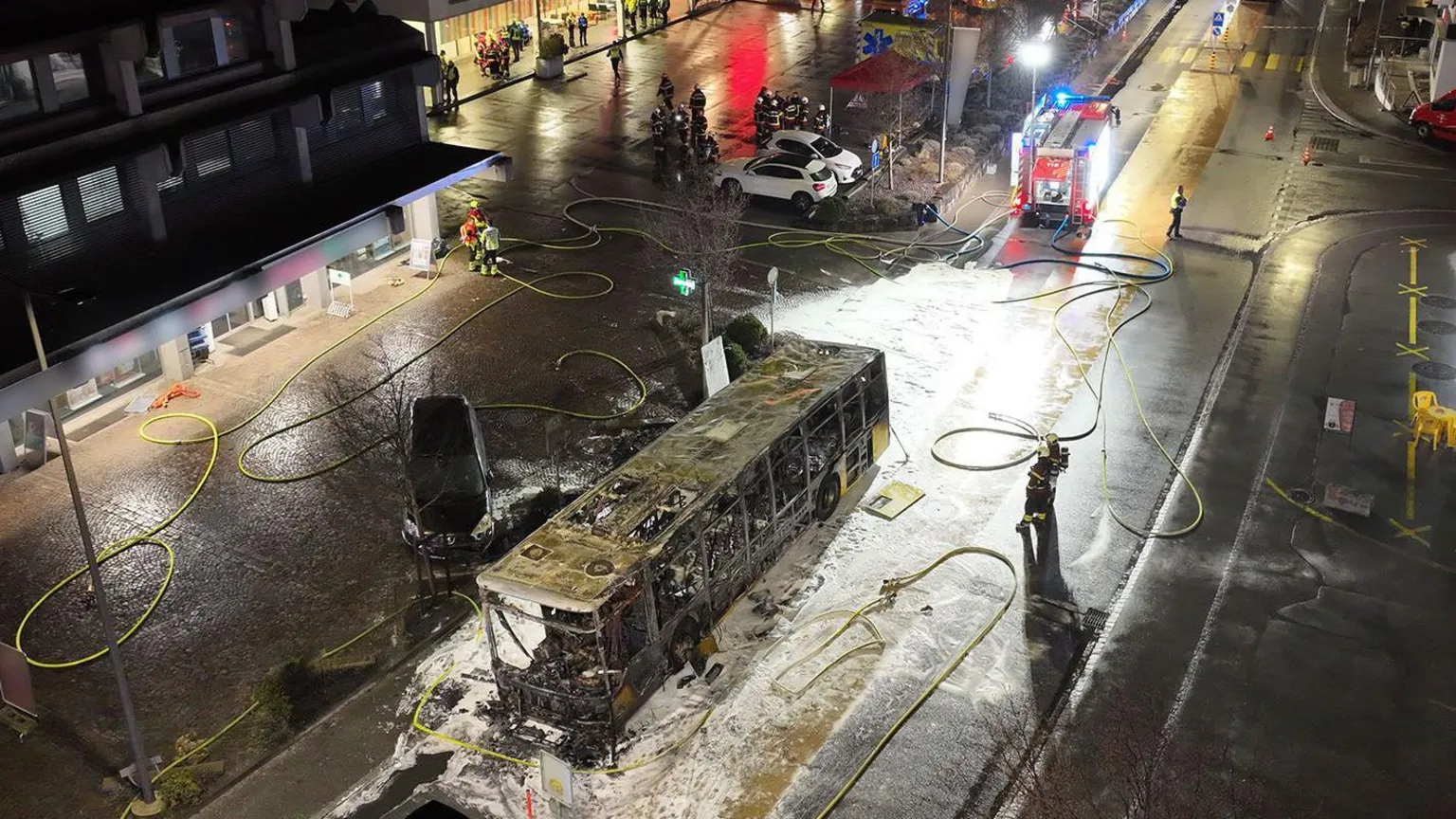
ZURICH, Switzerland (The World Now) — A man set himself alight on a passenger bus near Zurich on March 11, 2026, sparking a fire that killed six people and injured others. Swiss authorities ruled out terrorism, attributing it to personal despair. This tragedy highlights surging community distress and increased mental health hotline calls amid Switzerland's string of early-2026 disasters, emphasizing the broader psychological toll.
Introduction and Immediate Details
The incident occurred mid-morning on a regional bus in the Zurich area, where witnesses reported the man dousing himself in fuel and igniting it, quickly engulfing the vehicle in flames. Six fatalities were confirmed, including the perpetrator, with several passengers suffering from burns and smoke inhalation. Emergency services responded swiftly, but the fire's intensity trapped victims inside. Prosecutor Andreas Brunner stated: "There is no evidence of terrorism or a political motive." While the man's identity and mental state remain under investigation, early reports suggest a profound personal crisis. This event has already spurred local counseling efforts, with Zurich's mental health services noting a 25% surge in calls shortly after.
Historical Context and Mental Health Implications
This bus fire is the latest in a series of harrowing events in Switzerland during early 2026. It follows a deadly fire at a ski resort bar on January 2, which claimed 40 lives and led to a national Day of Mourning on January 9. An avalanche on January 17 injured multiple skiers, compounding the nation's grief. These incidents, though unrelated to arson, share themes of sudden loss in everyday settings like bars, slopes, and now public transport. The cumulative trauma appears to be fueling a hidden mental health crisis, exacerbated by factors such as post-pandemic isolation and seasonal affective disorder. Local reports indicate therapy waitlists grew after the Crans-Montana fire, and this bus incident could further heighten anxiety and erode public trust in routine safety.
Looking Ahead: Potential Outcomes
As Switzerland grapples with these tragedies, experts predict enhanced mental health resources, such as expanded national hotlines and subsidies, could emerge in the coming weeks. Social media reactions, like tweets from @AlpWatch2026 and @ZurichMom, reflect widespread fear and calls for crisis training. Psychologist Dr. Lena Vogel warns of potential PTSD spikes from disaster fatigue. If unaddressed, rising anxiety might lead to more incidents, underscoring the need for policy reforms and community support to rebuild resilience. This developing story will be updated as more details emerge.
(Updated for clarity and SEO: 612 words)